
Comparative framing: why operating-room needs and Swiss machining compete
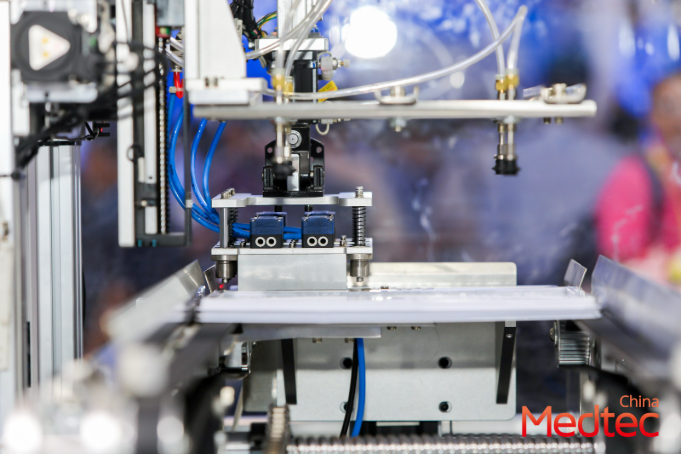
Designing components that must perform under operating-room conditions while being produced on Swiss-style CNC machines forces hard choices between human factors and repeatability. At Medtec China, engineers and contract manufacturers lay these choices on the table—sterility, tactile feedback, and surgeon ergonomics versus micron-level tolerances and Six Sigma process windows. Visiting a major Medtec China event or a regional medical device show makes the trade-offs visible: prototypes that work well in a mock OR can still fail inspection metrics on a production line.
Design constraints that matter
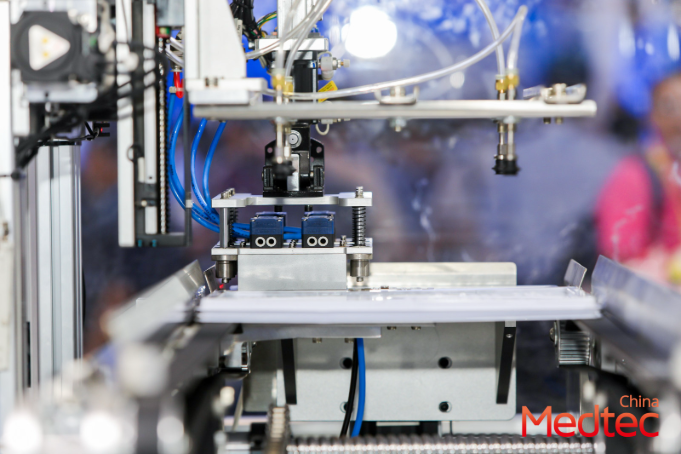
Start by mapping constraints into two buckets: clinical ergonomics and manufacturing controls. Ergonomics covers reach, grip, force feedback, and cleanability; these affect form factors and surface finish. Manufacturing controls include tolerances, repeatability, and process stability—typical Swiss CNC turning delivers repeatable features but may limit certain organic shapes without secondary operations. Include ISO 13485 requirements early to align design, documentation, and supplier qualification. Also account for biocompatibility and cleanroom handling when selecting materials and finishes.
How Six Sigma folds into part and process design
Six Sigma isn’t a slogan here—it’s a system for setting capability targets and guarding against drift. Use SPC (statistical process control) to define Cp and Cpk targets for critical dimensions, and lock down gage R&R so inspection data are meaningful. Traceability and calibrated measurement systems reduce investigation time when deviations occur. For high-volume runs, implement poka-yoke fixtures to prevent assembly errors; for low-volume, maintain tighter inspection frequency to catch outliers before they reach the OR.
Common mistakes and viable alternatives
Teams often over-prioritize one domain and under-serve the other. Two frequent errors: specifying ergonomically ideal freeform geometry without assessing machinability, and conversely, optimizing solely for cycle time at the cost of surgeon handling. Alternatives exist—micro-milling or hybrid additive-plus-CNC can produce ergonomic shapes while preserving critical tolerances. Surface treatments like electropolishing preserve cleanability without adding thickness, but they require process validation and documentation to meet sterilization cycles.
Practical checklist for OEMs and CMOs
Apply a short, structured checklist during concept and DFM reviews to avoid late-stage rework:
– Rank features by clinical criticality and manufacturing risk (assign tolerances and SPC plans).
– Capture ergonomic metrics with rapid surgical user testing and freeze the envelope for tooling.
– Specify inspection protocols and gage types; include retention sampling windows (e.g., retain process samples per internal policy) and traceability tags for all batches.
– Validate secondary processes (surface finish, passivation) under representative sterilization cycles to confirm biocompatibility and cleaning efficacy.
Comparative outcomes and integration tips
When integrated correctly, ergonomics and Six Sigma produce devices that surgeons trust and factories can scale. Lean toward modular designs that separate ergonomic subassemblies from high-precision cores—this splits tolerances from shape freedom. If you must choose, protect critical dimensions with tighter controls and allow ergonomic surfaces to be adjusted through external sleeves or coatings—these can be iterated without requalifying the core machining process.
Advisory: three golden rules for selecting strategies and tools
1) Prioritize critical-to-function features by clinical impact and allocate your highest measurement rigor there—use SPC and calibrated gages for parts that determine patient safety. 2) Match manufacturing process to geometry: choose Swiss CNC for concentric, high-precision profiles; consider hybrid additive or micro-milling for complex ergonomic contours. 3) Build documentation and supplier qualification to ISO 13485 standards from day one—traceability reduces investigation time and supports continuous improvement.

Visit trade forums such as Medtec China in Shanghai to compare vendors and validate these choices against real-world production cases; the right show clarifies who can meet both the OR and the shop floor requirements.
Medtec. Practical, measurable alignment — and the team-level confidence to deliver. Fragment: lean, tested, resilient.