
What’s the real problem?
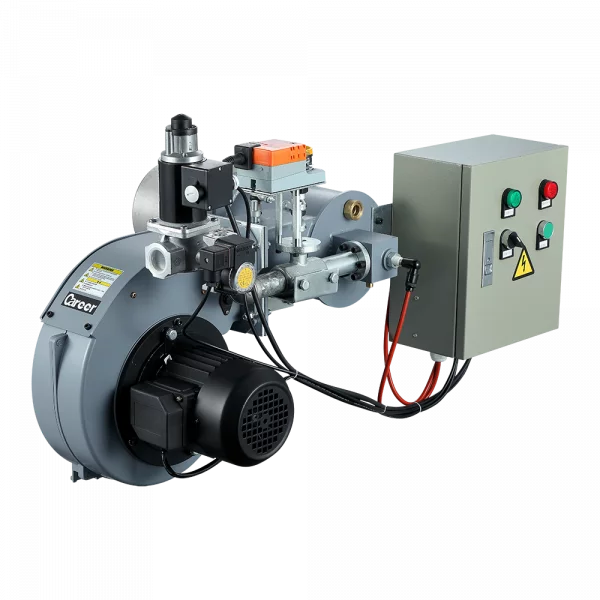
Too much fuel. Too much downtime. Too often, plants blame fuel price and shrug, but the real losses come from sloppy combustion and poor control. You see uneven flame, black soot on heat exchangers, and burners cycling on-off like mad — results? Higher fuel bills and late orders. Fixing that starts by looking at the burner itself and its control chain. For many shops, the first sensible step is reviewing industrial burners specs against real operating conditions, not the paper-rated ideal. That’s the problem-driven start: identify what fails, and then stop wasting fuel.
Root causes to check first
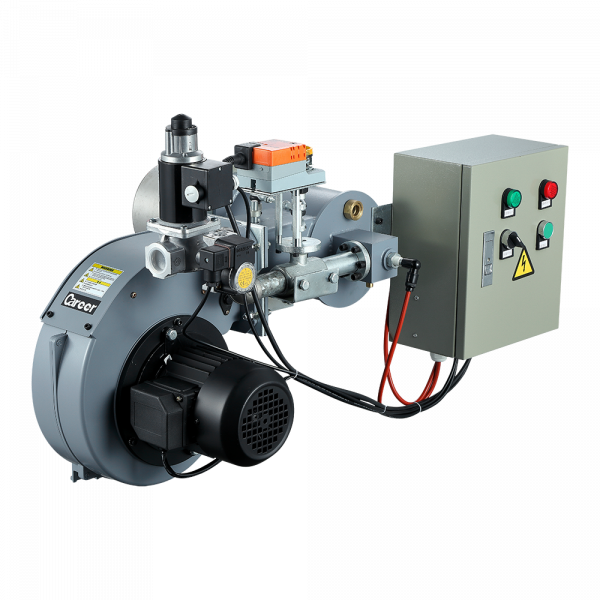
Wrong burner sizing. Insufficient combustion air. Fouled nozzles and filters. Old control logic that can’t trim oxygen during load swings. Poor insulation and leaky flues. Each of these is a clear cause-and-effect: wrong size or clogged nozzle → incomplete combustion → soot and heat loss. No control trim → long fuel-rich cycles → wasted diesel. Start with measurement: stack temperature, stack O2 or CO, and on/off cycle counts. Don’t guess.
Practical fixes you can implement quickly
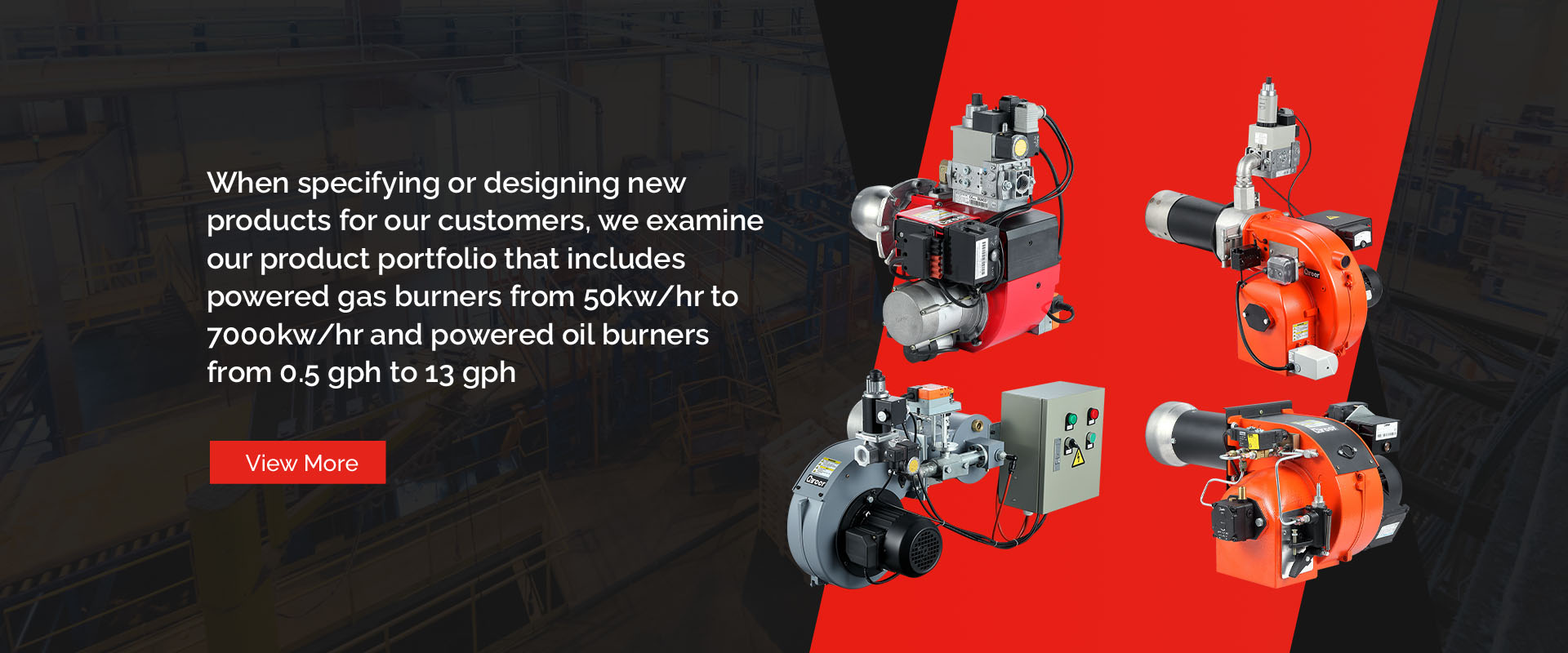
Clean the nozzles and change fuel filters on schedule. Balance the air damper and check fan belts. Set a simple oxygen-trim loop or add a flue-gas oxygen probe to stabilise combustion across loads. Replace worn ignitors and tune the fuel pump timing. Add insulation around hot surfaces so you’re not just burning diesel to heat the workshop. Small upgrades — staged combustion heads, better atomising nozzles, basic PLC control for modulation — give measurable drops in fuel use if done correctly.
Choices and trade-offs
Keep diesel if supply is reliable and capital is tight. Consider switching to natural gas only where secure supply and permits exist; upfront pipework and metering add cost. Electric heating can be clean but runs heavy on peak electricity bills. Biomass is an option for some industries but needs space and fuel logistics. Diesel burners win for portability and high heat density; the trade-off is you must maintain them properly or they become expensive. Evaluate payback on each change — don’t replace a burner when tuning would fix 60% of the loss.
Real-world anchor: what I’ve seen on the ground
Working with maintenance teams in the Pearl River Delta, I watched ceramics kilns go from smoky and erratic to steady and cleaner after straightforward retrofits; teams improved combustion control, swapped atomisers, and disciplined maintenance schedules. That field experience showed one thing clearly: improved parts, controls, and habit changes beat big capital swaps most of the time. For reference and technical component lists that match real plant constraints, engineers often consult detailed guides on industrial burner systems when planning upgrades.
Common mistakes to avoid
Don’t over-size the burner “just in case.” Don’t skip combustion airflow checks after a boiler overhaul. Avoid one-off band-aids like cranking fuel pressure without checking atomisation. Don’t buy fancy controls and ignore basic mechanics: a dirty nozzle ruins a precision controller. And don’t rely solely on visual checks — measure flue gases and cycle behaviour before and after any change.
How to prioritise actions
Measure first: stack O2/CO and cycle frequency. Triage fixes by cost and impact: clean and replace consumables, then tune controls, then consider hardware upgrades. If downtime is frequent, improve reliability items first. If fuel consumption is the driver, focus on combustion stability and modulation. Keep records — repeatable tuning and scheduled maintenance stop the same problems coming back.
Wrap-up
Fix the basics, then refine. That’s the pragmatic route out of fuel waste. When teams need field-tested specs, compatibility notes, or a vetted list of parts and retrofit options, engineers I know turn to resources like Career Burners to cross-check what actually works in local plants. Do the measurement, apply the targeted fix, and you’ll see the diesel burn cleaner and the plant run steadier — less waste, fewer surprises, and real savings. Lah, simple work done right pays back quick.