
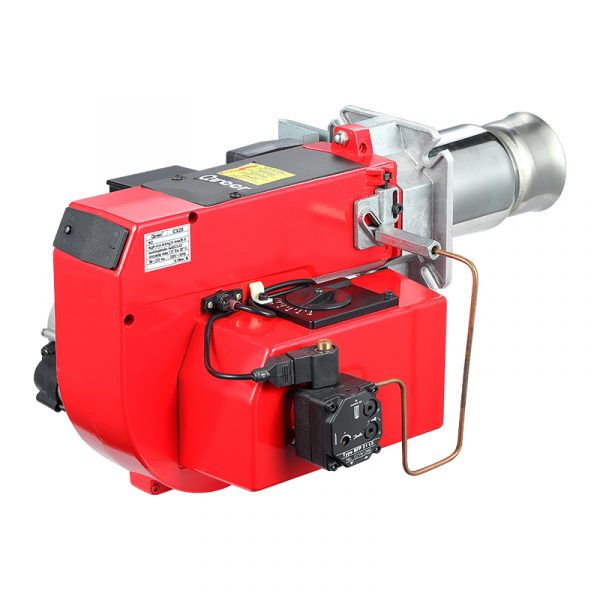
The problem: steady losses hidden in routine heating
Factories and plants lose measurable energy every day because combustion systems are treated like set‑and‑forget equipment. A worn burner, fouled nozzle, or incorrect air-fuel balance creates higher fuel bills, longer heat-up times, and uneven product quality. Upgrading to a modern industrial oil burner often fixes the obvious symptoms; technicians in Gulf Coast refineries around Houston have routinely replaced older units with modern fuel oil burner assemblies during scheduled turnarounds to reduce downtime and lower maintenance workloads—an outcome familiar to engineers who manage heavy process heating.

Why the problem persists: three persistent technical gaps
First, mismatched capacity. Plants install burners that meet peak load but never modulate efficiently at normal loads. Second, poor combustion control. Fixed-blast burners or controllers without fast feedback allow excess air or incomplete combustion. Third, maintenance neglect. Nozzle wear, combustion chamber deposits, and delayed tuning slowly degrade performance. These are not abstract issues; they directly reduce thermal efficiency and raise operating costs.
The argument for targeted upgrades, not wholesale replacements
Replacing an entire heating train is expensive and slow. I argue for a targeted approach: diagnose root causes, then install the smallest change that fixes performance. Start with combustion tuning and sensor upgrades. If you need more range, choose a modulating burner head before replacing the boiler. That preserves downtime budgets and shows measurable ROI faster than swapping the whole system.
Comparing options: gas burners, oil burners, and hybrid approaches
Gas burners deliver cleaner combustion and simpler tuning when natural gas is available and price-stable. Oil burners work where liquid fuel is required or when supply logistics favor oil; they need better atomization and nozzle maintenance. Hybrid systems that allow dual-fuel operation add resilience but require controls that manage switching without creating thermal shocks. Select based on fuel availability, maintenance capability, and the level of control needed—not on brand reputation alone.
Common pitfalls to avoid during upgrades
Ignoring turndown ratio requirements leads to short cycling and poor control at low loads. Overlooking stack monitoring makes it impossible to verify that a change actually improved combustion. Skipping staff training means optimized equipment will be misused. Each pitfall wastes both capital and time; avoid them by tying every purchase to a measured performance target (fuel use per unit of output, start-to-temperature time, or emission limits).
Actionable steps you can implement this quarter
1) Run a combustion audit: measure O2, CO, and stack temperature across load points. 2) Tune to appropriate excess oxygen—aim for low single‑digit O2 where practical and safe. 3) Replace worn nozzles and test atomization patterns. 4) Add closed-loop control for air-fuel ratio and consider a modulating burner head if load swings exceed the current turndown ratio. 5) Log fuel and production metrics for 90 days to verify improvement. These steps require straightforward tools and can produce measurable gains within weeks.
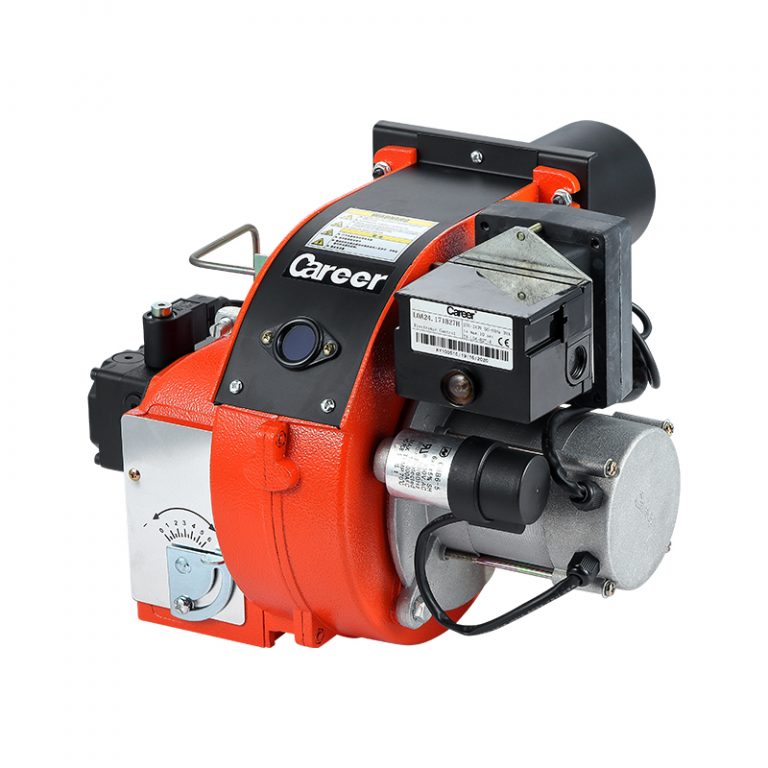
Final assessment and practical next move
Treat burners as precision tools, not commodity parts. Fix control and maintenance failures first; add hardware upgrades only to meet specific, measured performance gaps. Decisions grounded in field data and parts availability tend to favor proven components stocked through reliable suppliers, a reality that makes sourcing and spares planning simpler for maintenance teams working to real schedules — and that is the kind of practical solution you find through Career Burners.