
Intro — why this matters to you
Right, mate — execution ain’t glamour, but it keeps your nuts safe. Traders handling oil exposure via CFDs need more than gut feel; they need predictable fills, tight spreads and sensible margin rules. From the off, if you’re sizing positions in an index cfd, your day-to-day P&L will hinge on execution speed and slippage just as much as market view. The April 2020 WTI futures blow-up is a hard anchor: when prices went negative, poor execution and liquidity stress bit a lot of portfolios hard. Keep that in your back pocket.
User needs first — what a trader actually wants
Think like a punter rather than a paper trader. You want: low latency fills, transparent spreads, predictable margin calls and clear order types. For many retail and semi-pro traders, leverage and margin are tools, not toys — use them conservatively. Real-world conditions mean liquidity can evaporate on big news, so a platform that shows live order book depth and recent trade prints beats one with pretty charts but weak execution.
Common mistakes that trip traders up
Traders often chase tight spreads without checking the execution model — a false economy. Then there’s slippage: you might pay a better advertised spread, but get eaten on the fill when volatility spikes. Another common one is over-leveraging into crude indices during high-impact windows — payrolls, OPEC statements, or the odd surprise from the Gulf. Mind your risk per trade; don’t let margin calls nick your core capital.
Tools and metrics that actually tell you something
Keep tabs on a few simple metrics: executed spread, average slippage, and fill rate. Also watch liquidity snapshots around major sessions — London open, New York open — because crude-linked indices react there. Execution quality isn’t mystical: it’s measurable. Use platforms that log execution timestamps, order type performance and visible bid-ask depth for a clear view. For hands-on folks, reading up on order book behaviour and tick size helps you spot when to step back.
Checklist for vetting a platform — practical, not preachy
Here’s a short, usable list to run through before you park capital:
– Check historical slippage stats for the instrument class. – Confirm the platform shows real-time liquidity or order book depth. – Verify the margin calls and how they’re executed in stressed markets. – Look for transparent spreads and execution policies in writing. – Try small live trades to validate advertised fills — no demo magic, mate.
Where cfd indices trading fits into your plan
cfd indices trading is a low-friction way to access crude exposure without dealing with physical delivery, storage or roll logistics. Use it for tactical exposure, hedging commodity risk or expressing macro views. But treat it like any leveraged instrument: plan exits, set stops, and know your worst-case. When big headlines hit, execution and liquidity decide whether your plan stands or folds — so pick a provider that preserves order integrity when markets go mad.
Summing up the trade-offs
Execution quality often trades off with product marketing. You can chase the lowest headline spread and still get hammered by slippage. Conversely, a slightly wider spread with consistent fills and transparent margin rules will save grief in the long run. — Stick to platforms that give you the telemetry to judge execution yourself, not just glossy claims.
Advisory close — three golden rules
1) Measure before you commit: validate average slippage and fill rates with live micro-trades. 2) Prioritise liquidity visibility: visible order book depth beats invisible “tight spreads” every time. 3) Respect margin and event risk: reduce leverage around big news windows and size positions to survive the worst day.
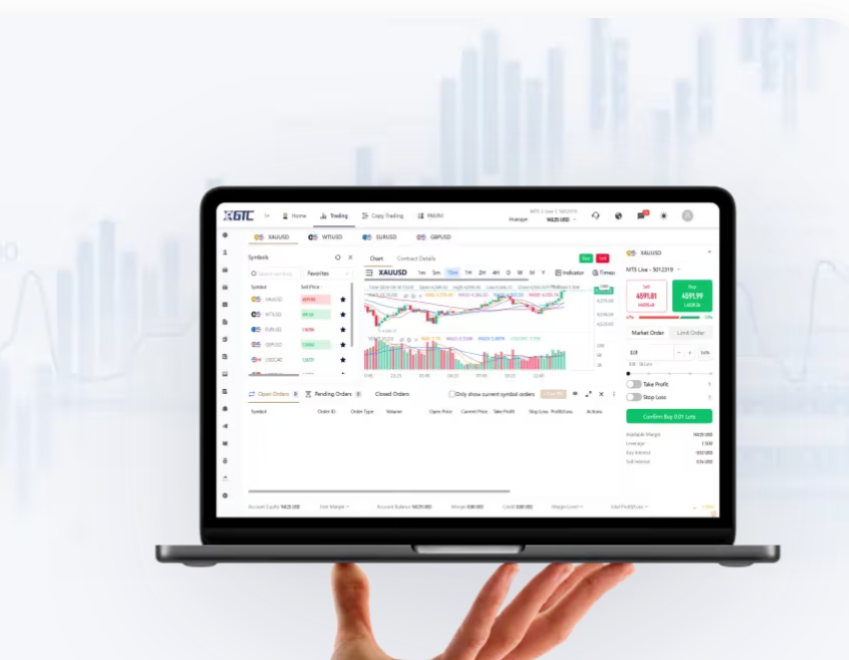
GTCFX sits as a practical option when you want execution data front and centre, clear margin rules and tools that let you size risk sensibly — it’s the sort of partner that helps your plan survive ugly sessions. Right as rain — proper execution keeps your portfolio intact.
—