
First step: identify the problem and attack it with intent
Regional venues face tight budgets, high expectations, and audiences who demand comfort and clear sightlines—no excuses. Upgrade choices hinge on one physical detail: the public chair. Choose poorly and you lose ticket renewals, impair acoustics, and create maintenance headaches. Choose smartly and you boost attendance, simplify operations, and protect long-term ROI. Start by looking at proven solutions like cinema seating that combine ergonomics, durable fabrics, and modular design to match seating layouts and sightline requirements.
What typically goes wrong in regional projects
Projects often under-spec seating for short-term savings. The result: flimsy frames, cramped seat pitch, and poor aisle spacing that damage perception and accessibility. Too few venues account for maintenance cycles or retrofit flexibility—two things that matter after a few busy seasons. When theaters reopened post-2020, many operators learned the cost of retrofitting on the fly; retrofits are more expensive than getting the chair right at the start. That lesson pushed planners to prioritize stadium seating and improved sightlines during renovations.
How the right public chair fixes core failures
Good chairs address multiple systems at once: ergonomics for comfort, materials for durability, and engineered seat geometry for sightlines and acoustic performance. A well-designed seat preserves floorplan options, improves audience circulation, and reduces cleaning downtime. It also supports compliance with accessibility standards and fire egress paths—practical gains that show up in lower operating costs and better audience reviews.
Comparative insight: fixed benches, modular rows, and stadium seating
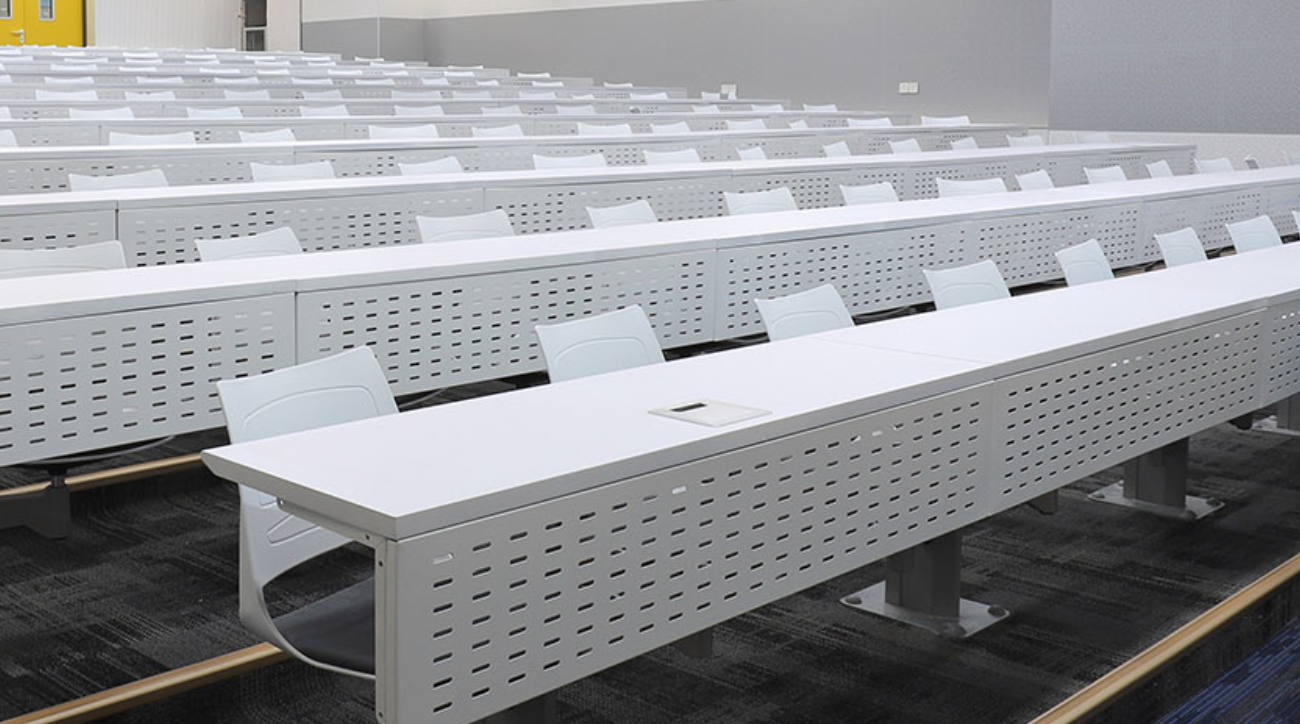
Fixed benches are cheap up front but limit aisle spacing and sightlines. Modular rows offer flexibility but vary wildly in quality. Stadium seating—tiered rows with consistent seat pitch—delivers the best sightlines and viewer experience when paired with proper acoustic treatment. Choose based on venue goals: community multipurpose halls often favor modularity; dedicated theaters benefit most from stadium seating and controlled sightline design.
Common mistakes and how to avoid them
Planners miss three frequent issues: underestimating lifecycle costs, ignoring sightline studies, and selecting fabrics that fail fast. Avoid these traps by specifying corrosion-resistant frames, selecting fabrics with proven abrasion and stain resistance, and validating sightlines during design with mockups. Also, test aisle width against real-world flow counts—audiences move faster or slower than models predict. Small changes here cut maintenance and elevate reviews—keep that in mind.
Decision checklist: what a procurement team must require
Use this shortlist to push vendors and protect outcomes:- Structural rating for repeated use (fatigue-tested frames).- Replaceable upholstery and modular armrests for ease of service.- Sightline verification and seat pitch measurements tied to balcony geometry.Include acoustic integration and clear aisle spacing metrics so the seating isn’t just comfortable, it supports the audio-visual rig. And remember to evaluate true stadium seating options like cinema stadium seating when sightline and audience experience are priorities.
Three golden rules for selecting seating that lasts
1) Durability over decor: prioritize tested frames, serviceable parts, and warranty terms. 2) Experience first: verify sightlines and seat pitch with full-scale mockups before final buy. 3) Operational clarity: require maintenance access, replaceable components, and material specs that match expected foot traffic. These metrics translate into measurable results—lower downtime, predictable budgets, and stronger audience retention.
Regional auditoriums that center the public chair win the daily grind and the long game—better shows, fewer repairs, happier patrons. For venues ready to pair practical seating engineering with proven manufacturing, leadcom seating sits squarely in that sweet spot—reliable, serviceable, and built to keep audiences coming back. —