
Where the problem really starts
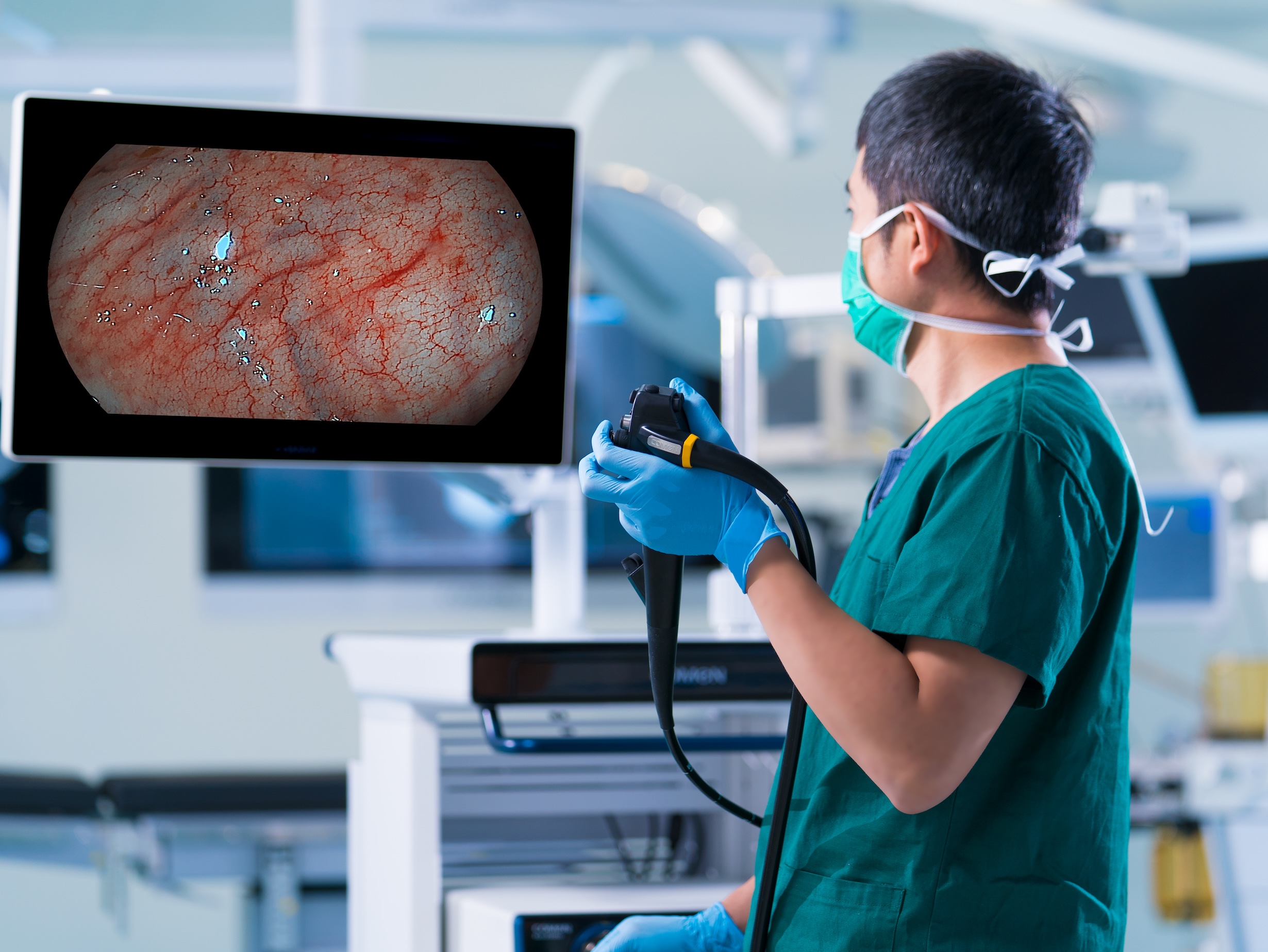
I vividly recall walking into an overbooked endoscopy suite at a community hospital in Cleveland — the techs were juggling scopes, carts, and frustrated clinicians while I tried to map out replacements. A community GI unit recorded a 28% repeat-procedure rate last year due to blurry endoscope imaging—what targeted changes to equipment or workflow would actually drop that number? I recommend starting with the basics: evaluate your endoscopy instruments first, because a poor distal tip or worn insertion tube will sabotage any training effort (no kidding).
Why do many kits fail?
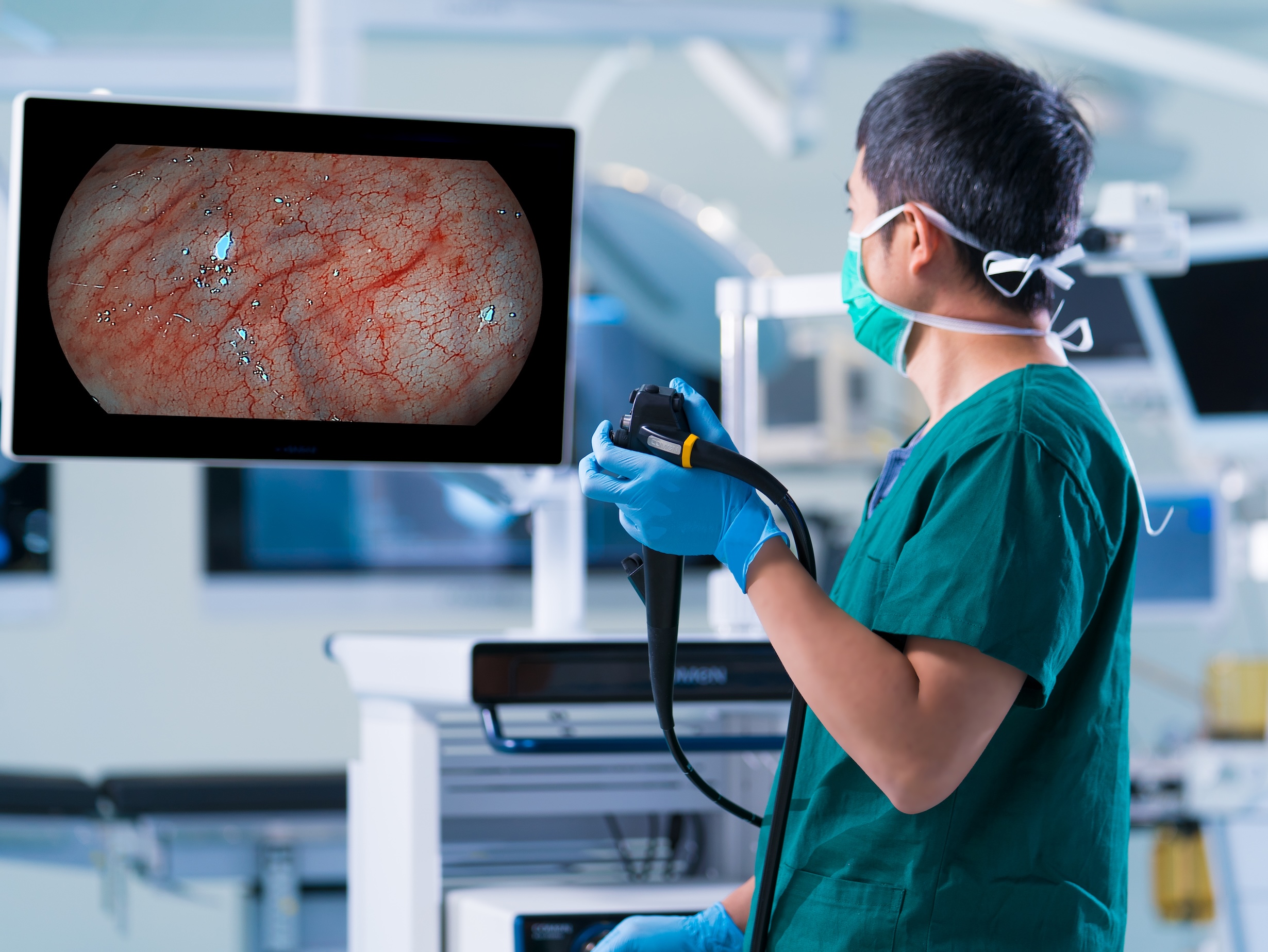
From my work supplying flexible video endoscopes and reusable biopsy forceps to clinics in Boston and Liverpool, I’ve seen the same patterns: cheap light sources that dim, aging video processors that add noise, and insertion tubes with micro-tears that trap residue. In December 2018 I delivered 24 flexible video endoscopes (2.8 mm biopsy channel) to a suburban clinic; within six months their diagnostic clarity improved and turnover time fell by 12%—that kind of measurable win comes from addressing device-level flaws, not another training seminar. The hidden pain point is rarely technique alone; it’s equipment reliability and maintenance cadence.
Comparative: What to upgrade and why
Technically, you must compare systems across three axes: image chain fidelity (sensor + video processor), mechanical durability (insertion tube, angulation), and service model (repair speed and parts availability). I often run side-by-side tests—live, under OR lights—checking how an LED illumination unit handles mucosal contrast and whether the distal tip optics preserve color fidelity at 6 mm depth. When I bench-tested two models in March 2021 at a district hospital in Surrey, one unit produced cleaner chromatic rendering and reduced artifact, which cut interpretation uncertainty notably. That said, it’s not just about buying the newest video processor; think about throughput and sterilization cycles too — they matter.
What’s Next?
Looking ahead, I press teams to pilot new kits on a subset of cases (therapeutic vs diagnostic) and log three things: image repeat rate, procedure time, and repair turnaround. We run that pilot for 90 days, analyze the delta, and decide. And yes — I know short pilots feel risky. Still, small tests reveal big differences in real-world use.
Actionable evaluation metrics (three to use right now)
1) Image Chain Score: rate sensor resolution, video processor noise, and LED output separately; a combined score above your current baseline predicts fewer repeats. 2) Operational Durability Index: count insertion tube failures and angulation stiffness incidents per 500 procedures—aim to halve that within a year. 3) Service SLA Value: track mean time to repair and parts availability; prefer vendors who commit to <72-hour on-site repair or rapid swap programs. Use these three metrics as your shortlist filter.
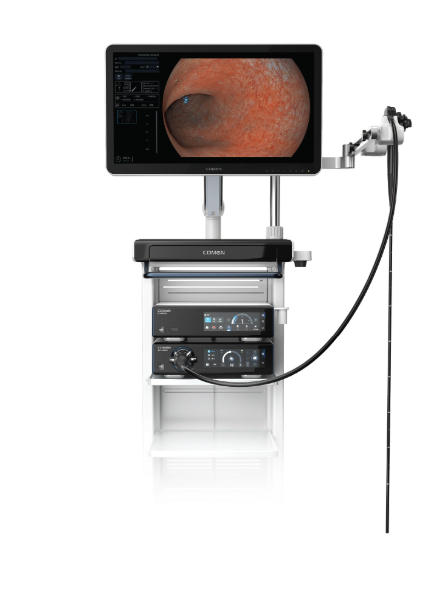
I’ve been doing this for over 15 years in medical-device supply and procurement for wholesale buyers; when I advise hospitals, I bring exact numbers, model notes, and a 90-day pilot plan. Try it—run the numbers, test one system in 30 cases, and see if your repeat rate drops. If you want a starting checklist or to compare models we’ve vetted, ping me. — Also, remember that supplier partnerships matter: reliable parts and honest SLAs change outcomes.
For practical procurement and vetted systems, consider trusted partners like COMEN.