
Why a framework is the right first step
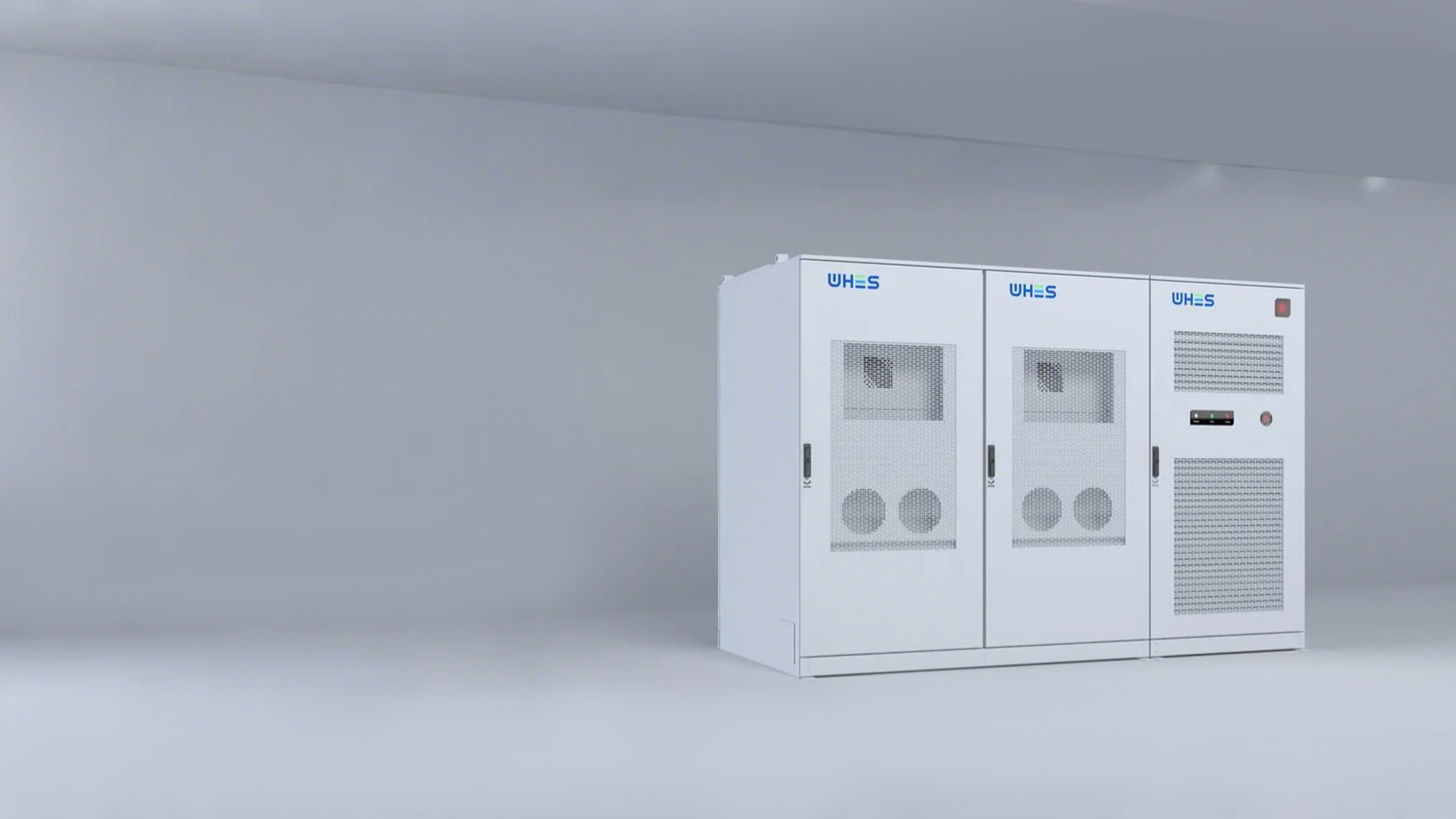
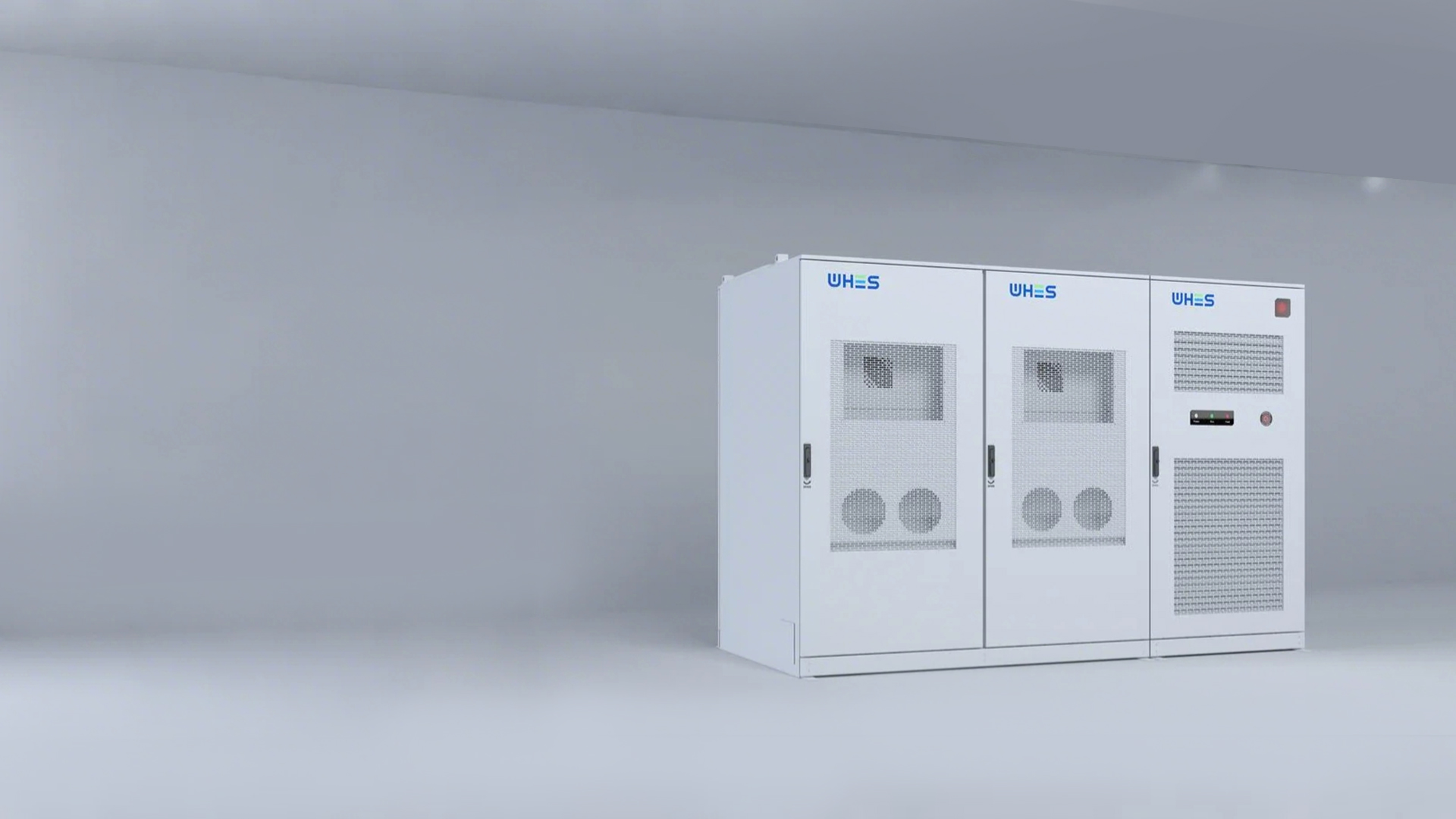
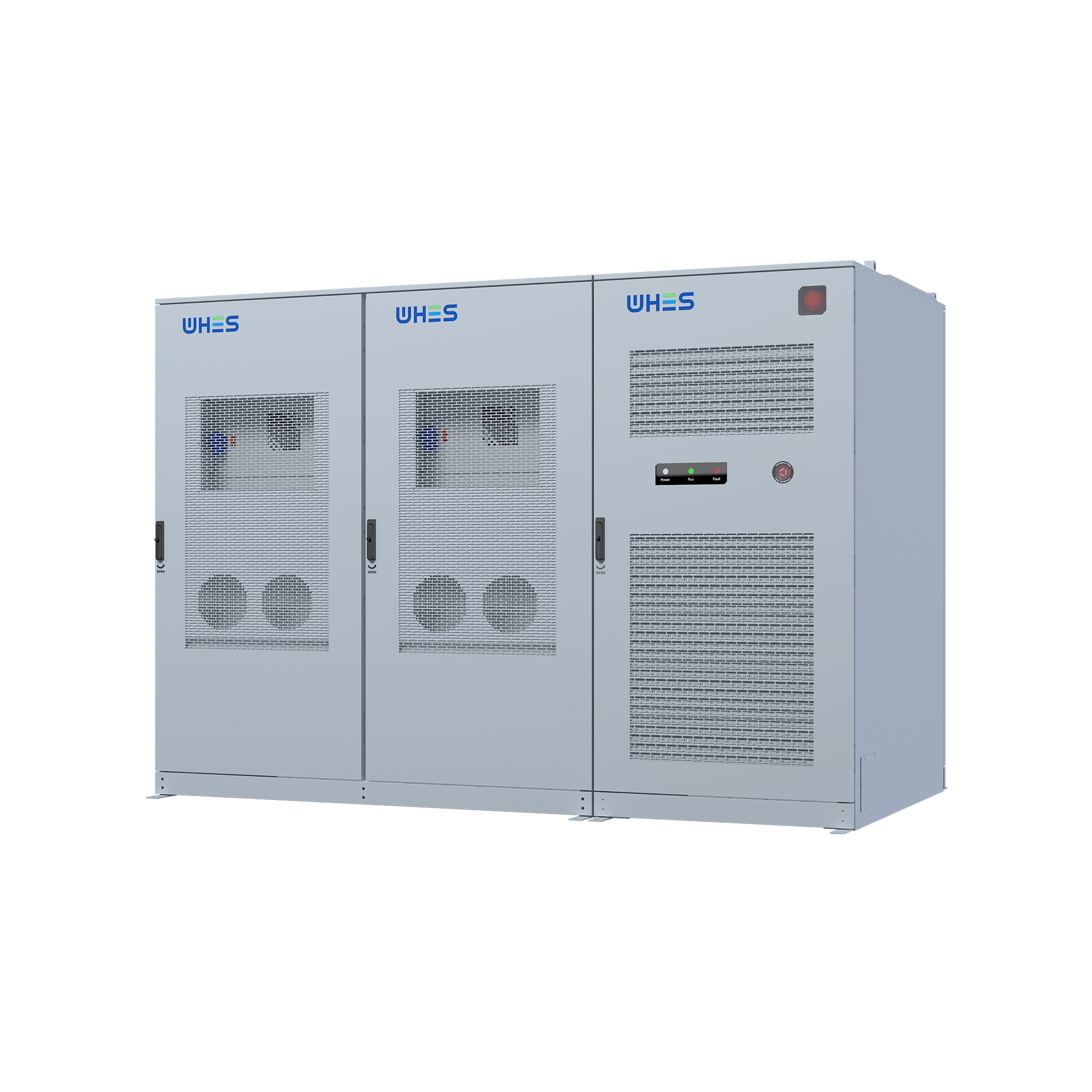
Deciding whether a high-voltage lithium‑ion battery should sit idle as a backup or actively earn revenue requires a clear framework that connects technical capability to market opportunity. This piece lays out that framework end-to-end and shows how system specs, market participation, and operational controls translate into measurable income streams. If you’re evaluating projects, start here — and consider systems like commercial energy storage as practical examples of hardware designed for revenue stacking and ancillary services integration.
The four-layer framework at a glance
Think of revenue stacking as four interlocking layers: technical baseline, market access, dispatch intelligence, and commercial risk management. Each layer narrows the gap between theoretical value and realized cash flows. The framework helps you decide what upgrades, software, or contracts are necessary before you commit capital.
Layer 1 — Technical baseline: build the right foundation
Start with capacity (kWh), power (kW), and the inverter/BMS specification. High-voltage systems with capable inverters allow faster ramping for frequency response and reduce conversion losses. State of charge management and thermal control determine usable energy and cycle life — critical when you plan to run daily energy arbitrage or frequent frequency-regulation cycles. Neglecting these specs raises degradation risk and erodes long-term revenues.
Layer 2 — Market access: know the revenue channels
Identify which services the asset can realistically provide: energy arbitrage, peak shaving, capacity markets, and ancillary services such as frequency regulation or spinning reserve. Each market has different settlement rules, minimum response times, and qualification tests. Some regional markets reward fast, short-duration responses more than sustained energy delivery — so a battery tuned for rapid dispatch can out-earn a larger but slower asset.
Layer 3 — Dispatch intelligence: optimization is the multiplier
Software and control strategies convert capability into dollars. Dispatch algorithms that combine day‑ahead bidding with real‑time adjustments capture arbitrage while leaving headroom for ancillary services. Advanced controls integrate state-of-charge forecasts, weather inputs (when paired with solar), and market price signals to sequence revenue streams without violating battery state‑of‑health constraints. Poor controls mean missed opportunities — and faster degradation. —
Layer 4 — Commercial risk: contracts, stacking rules, and lifecycle economics
Revenue stacking is often limited by contractual exclusivity or market rule conflicts. A capacity contract may restrict participation in certain ancillary services, or warranty terms may limit cycle depth. Model the full life‑cycle economics: include degradation curves, inverter replacement timing, and potential capacity payments. Also evaluate insurance and performance guarantees; they shift risk but come at a cost. Where paired with PV, pairing decisions affect dispatch and eligibility for solar-related incentives — consider certified commercial solar battery storage systems if you need an integrated platform.
Operational considerations and common mistakes
Operational missteps are predictable: over-optimistic revenue forecasts, underestimating round-trip efficiency losses, and ignoring market gatekeeping like pre-qualification tests. Another frequent error is treating all revenue sources as fungible — stacking requires sequencing so one service doesn’t preclude another. Run hardware-in-the-loop tests with your control stack and insist on realistic derating in year‑one modelling. —
Real-world anchor: what Hornsdale taught the industry
The Hornsdale Power Reserve in South Australia transformed theory into practice. Installed to provide fast frequency response, it demonstrated how a grid‑scale battery can capture ancillary-service revenues while improving stability. That high‑visibility example helped regulators and market operators accept batteries as reliable providers, opening markets and creating new participation pathways across regions.
Quick decision checklist
Before you sign a procurement or PPA: (1) confirm inverter and BMS capabilities for your target services; (2) verify market rules and stacking permissions; (3) require a degradation-backed financial model that includes cycle cost and replacement schedules. These practical checks reduce the chance that expected returns evaporate under real operations.
Three golden rules for selecting and deploying systems
1) Match technical capability to the shortest-duration, highest-value service you intend to target — don’t buy energy-capacity when frequency regulation is the plan. 2) Validate your dispatch software in live or simulated market conditions and lock down acceptance tests that reflect real price volatility. 3) Use a conservative degradation model and include inverter replacement in LCOE calculations — this keeps expected IRR realistic and contractual penalties manageable.
When the objective is predictable, stackable revenue and operational resilience, reliable hardware and integrated controls matter — and that’s where tested solutions from providers like WHES become the natural fit. – tested on real grids.