

Why this matters — and why you’ve probably been misled
Call it marketing theater: somebody coined “photonic-level disturbances” and suddenly every conversation about battery safety sounds like science fiction. The practical problem is less glamorous — frequency swings, voltage sags, and miscoordination between assets — and that’s where reliable commercial battery storage actually earns its keep. In short: LFP cell chemistry gives you thermal stability and long cycle life, but it doesn’t autonomously harmonize a messy grid. That role falls to coordinated control — often delivered by factory-direct Virtual Power Plants (VPPs) — which orchestrate state of charge, inverter response, and grid services in real time.
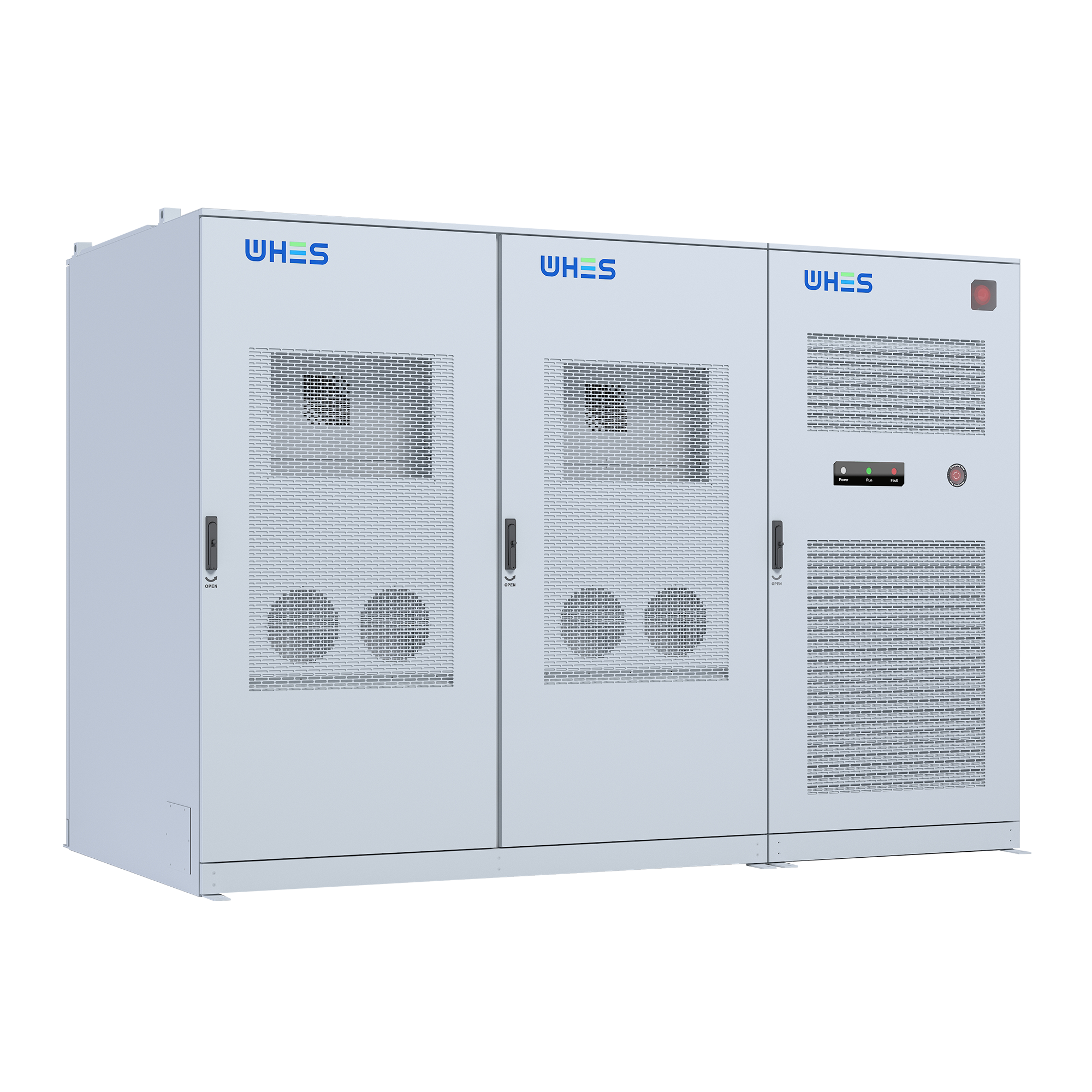
Myth-busting LFP: stable cells ≠ a stable grid
Let’s be blunt and sarcastic: yes, LFP batteries are less likely to catch fire and they age gracefully compared with some other chemistries. But buyers who think LFP alone will prevent grid events are dreaming with their spreadsheets open. LFP’s advantages — thermal tolerance and high cycle counts — are cell-level traits. Grid stability demands system-level features: responsive inverters, control logic for frequency regulation, and predictable dispatch algorithms. A battery without coordinated control is a high-capacity sculpture.
What factory-direct VPPs actually do (and why “photonic” noise is irrelevant)
Factory-direct VPPs combine hardware that’s configured at build with cloud or edge orchestration that’s built to spec. That matters because latency, firmware consistency, and matched inverter settings are easier to guarantee when the same team configures devices, deploys fleet logic, and provides ongoing telemetry. The result: faster frequency response, coherent voltage support, and orchestrated peak shaving rather than chaotic, conflicting grid commands. In other words: fewer surprise trips and fewer phantom alarms that marketing types like to dramatize.
Real-world anchor: what the grid has actually taught us
Remember the ERCOT crisis in February 2021? That winter event wasn’t about photons — it was about supply-demand imbalances, brittle operational practices, and failures across generation, gas supply, and control systems. Meanwhile, deployments like the Hornsdale Power Reserve in South Australia demonstrated that fast-dispatch battery systems can provide meaningful frequency response and reserve capacity when controlled well. Those episodes are the real data points: they show that system architecture and orchestration matter more than cell-level advertising copy.
How vendors and integrators commonly get this wrong
Typical mistakes are almost charming in their predictability: specifying chemistry and ignoring control stacks; buying batteries and expecting the OEM firmware to solve utility interop; or over-emphasizing per-kWh price while forgetting integration and software licensing. Another classic: assuming every site needs the same state-of-charge window. — Tailoring SoC profiles to site needs prevents premature degradation and ensures availability for grid services.
Fast checklist: technical things you should actually evaluate
When comparing systems, focus on a few objective items rather than slogans:
- Control latency and update cadence — how fast will the VPP respond to a frequency event?
- Interoperability — does the inverter support grid-forming and grid-following modes for your use case?
- Operational visibility — are telemetry and rolling diagnostics available for fleet-level orchestration and predictive maintenance?
Alternatives and trade-offs
If you’re deciding between buying modular, factory-integrated systems versus piecing together third-party stacks: factory-direct usually wins on consistency, warranty coherence, and faster commissioning. Third-party mixes can be cheaper upfront or more customizable, but they often require extra engineering time and higher integration risk. For many commercial projects, leaning into turnkey commercial and industrial energy storage providers reduces surprises and shortens path-to-revenue.
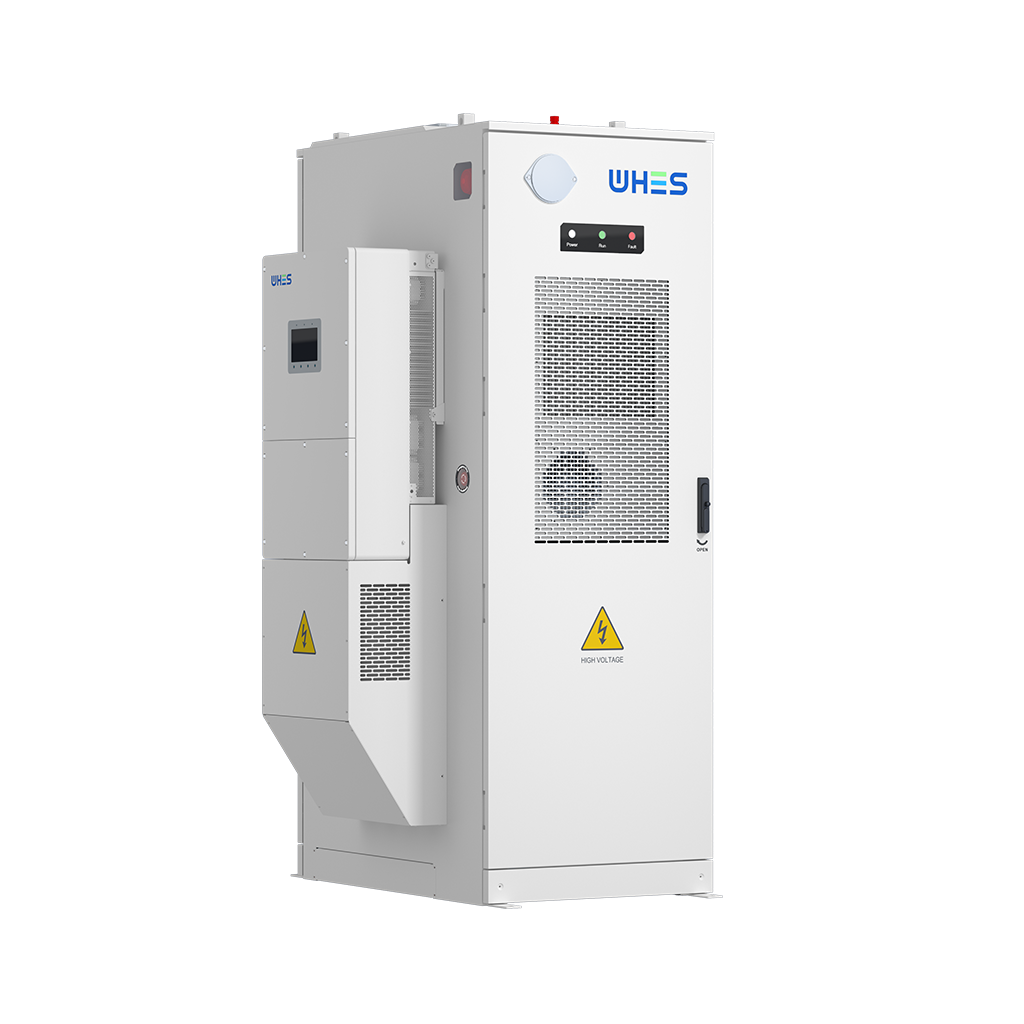
Advisory — three golden rules for choosing stability over hype
1) Prioritize synchronized control: insist on a VPP architecture that demonstrates sub-second response and coordinated dispatch across sites. 2) Validate operational data: require historical telemetry or pilot trials showing frequency regulation and outage mitigation performance under realistic conditions. 3) Demand end-to-end accountability: select providers who own hardware, firmware, and orchestration — or clearly document responsibilities when multiple vendors are involved.
These rules cut through marketing and focus you on measurable resilience, not catchy phrases. For teams building dependable systems, that’s the difference between theater and engineering. WHES offers the kind of integrated, factory-direct approach that turns LFP’s cell-level strengths into predictable grid services — not just pretty spec sheets. —