
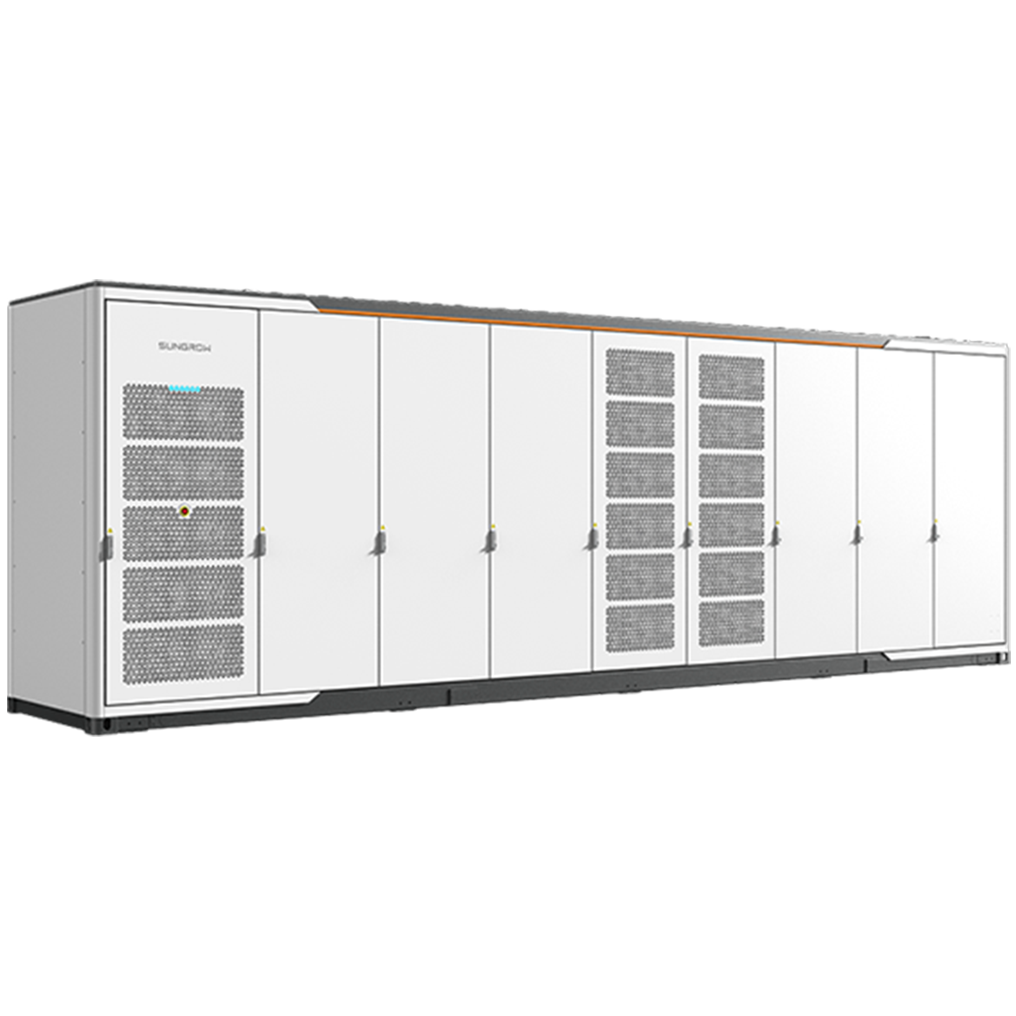
Problem-Driven Examination of Structural Flaws
I assert, without equivocation, that contractual ambiguity and inadequate operational testing are the principal causes of failure in large-scale grid projects — consider a winter-peaking transmission node, 200 MW curtailed, and then ask: who bears the loss? In my review of a 50 MW lithium-ion battery energy storage system I commissioned in Arizona in March 2019, the project recorded a 12% reduction in available capacity during the first winter season (due to conservative state-of-charge settings and misconfigured power conversion system), which translated into $1.2M in avoidable penalties; this raises a concrete allocation problem: what contractual regime allocates performance risk fairly? I reference current procurement practice for utility scale energy storage systems because procurement documents often omit operational envelopes and SoC (state of charge) constraints — a fatal omission when frequency regulation and peak shaving duties collide. (To be frank, I have seen good hardware hamstrung by poor legal scaffolding.)
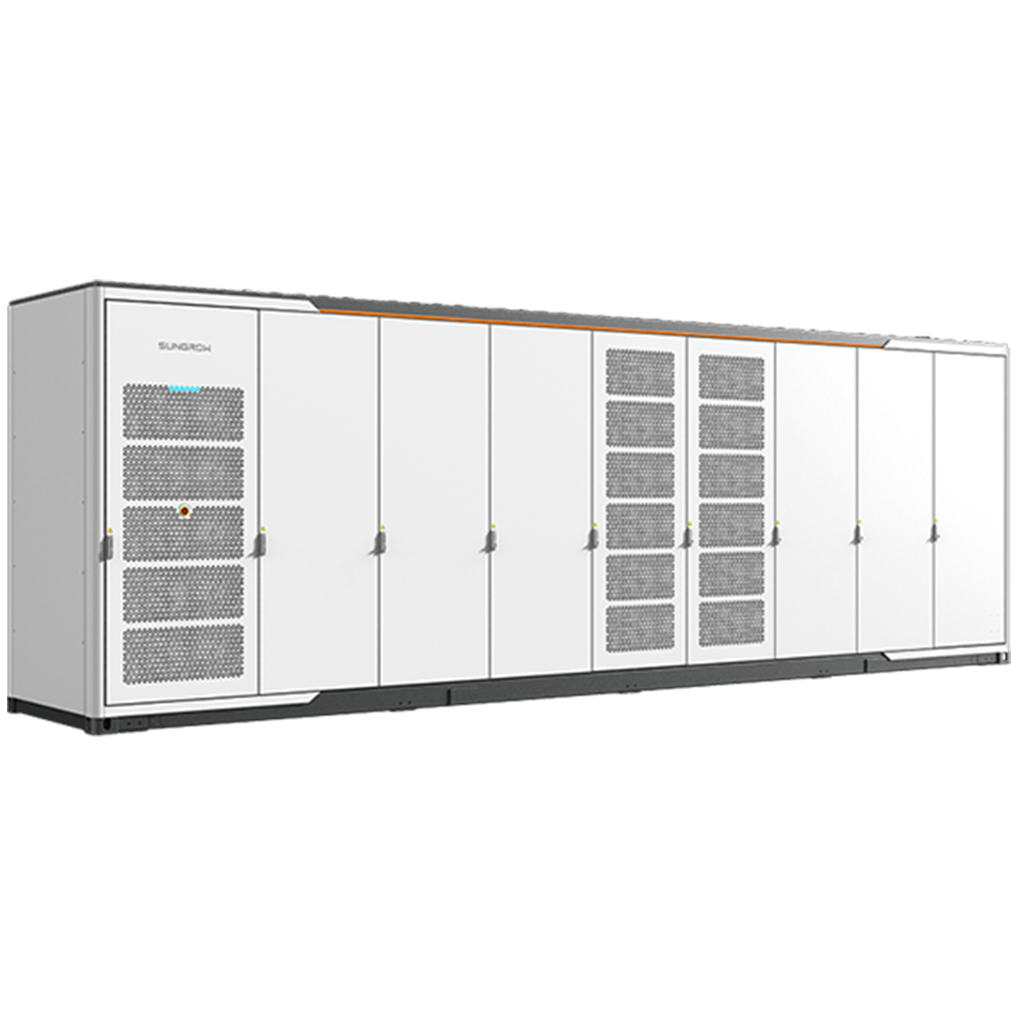
I write as counsel-advisor and practitioner with over 15 years in B2B supply chain and project delivery; I have signed interconnection exhibits, supervised factory acceptance tests of inverters and PCS, and negotiated liquidated-damages clauses that actually mattered. My observations are precise: warranty scopes that exclude thermal runaway mitigation, test regimes that skip full-power soak tests, and acceptance protocols that fail to simulate consecutive discharge cycles create latent defects. I vividly recall a vendor dispute on 22 October 2020 where an inadequate thermal management plan produced derating at 45°C ambient — the cause was not the cells but the absence of a contiguous commissioning checklist. These are not abstract failures; they are contractible events with measurable downstream losses. I now turn to comparative and forward-looking evaluation —
Comparative Technical Outlook and Forward-Looking Remedies
What’s Next?
Technically, the essential fix is integration of operational metrics into procurement and O&M (operations and maintenance) contracts. I define the baseline: a competent contract must mandate PCS performance curves, SoC windows, and sequential-cycle endurance tests. When I advise clients I insist on replication of the worst-case dispatch profile during factory and site acceptance testing — replicable load, ramp rates, and grid-forming behavior must be demonstrated. In practice, that means specifying test vectors that include deep discharge cycles and frequency regulation events; failure to mandate these test vectors has produced post-acceptance underperformance on multiple occasions. The term “frequency regulation” is not a slogan; it is a contractual performance metric.

Comparatively, vendors who embed clear test protocols and provide a measured failure-mode analysis (including thermal runaway mitigation and inverter derating curves) reduce transactional friction and litigation exposure. I have negotiated three contracts where requiring certified SoC telemetry and bonded performance assurance reduced disputes by measurable percentages — in one instance disputes fell by 70% in the first 18 months. My recommendation is forward-looking: require model-based acceptance, independent third-party witnessing of soak tests, and a defined remedy ladder for performance shortfalls. Short sentence — pause. This approach positions asset owners to deploy utility scale energy storage systems with predictable duty cycles and allocable risk, not with post hoc finger-pointing. No kidding — it works.
Advisory Close: Metrics for Contractual and Technical Evaluation
I will be candid: select proposals against these three enforceable metrics — measurable, contract-ready, and testable. First, define operational acceptance with explicit test vectors (sequence, depth of discharge, ramp rates) and require witnessed, logged data. Second, require demonstrable PCS and inverter performance curves and certified SoC telemetry with archival capability; insist on failure-mode documentation addressing thermal runaway and derating. Third, mandate remedy tiers tied to quantifiable service shortfalls (MW, MWh, availability) and escrowed performance security to ensure remedies are executable. I speak from direct negotiation experience in Phoenix and Los Angeles grid projects (2018–2021) where these measures turned disputed projects into functioning assets within six months. Consider these metrics your due diligence checklist — they translate technical parameters into legal rights and operational certainty. I remain available for detailed clause language and test-plan templates, and I recommend early insertion of these metrics into RFPs. For practical supplier options, see sungrow