
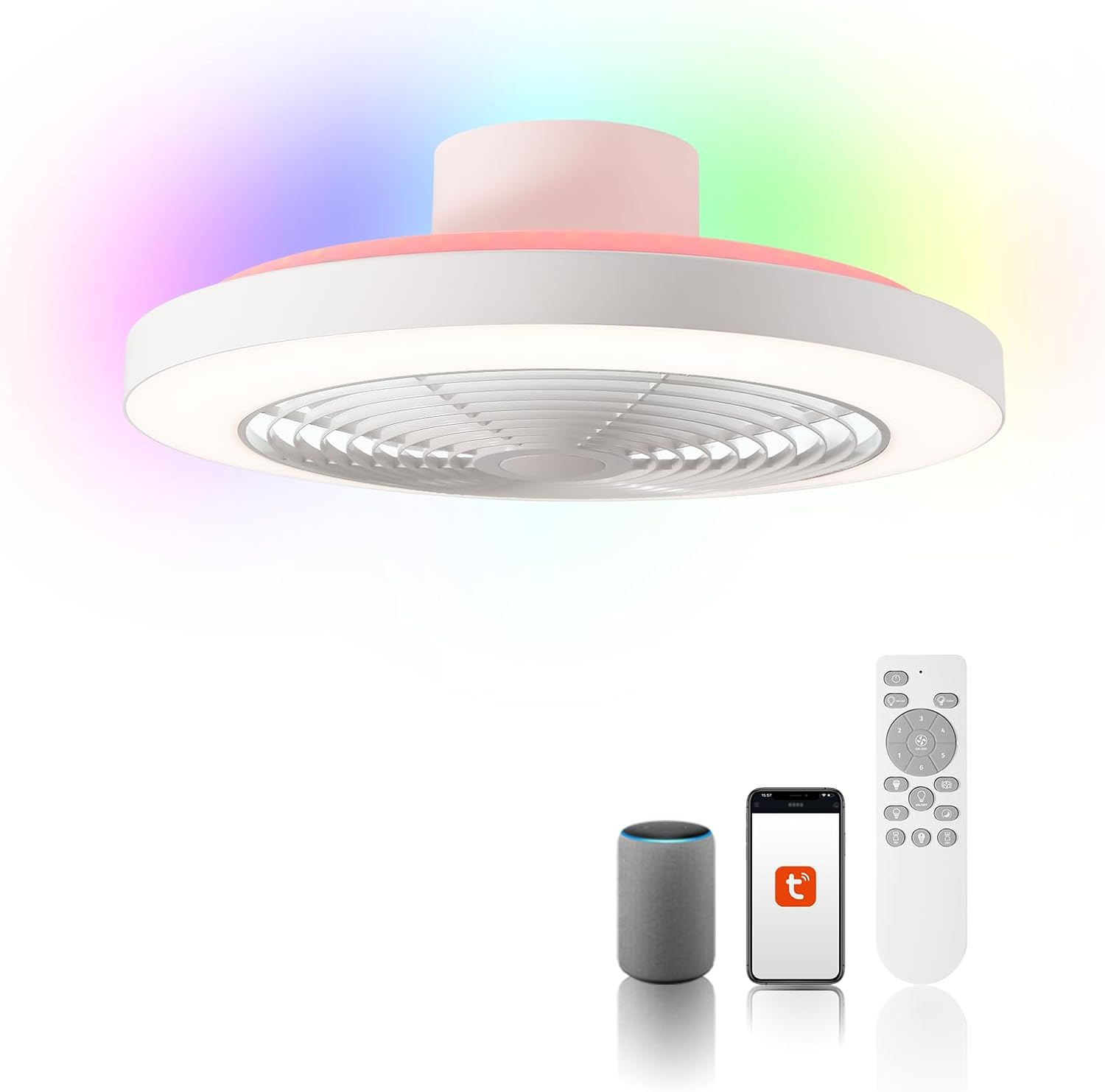
The problem: why covered patios and gazebos still feel miserable
Hot, muggy evenings and stagnant air can ruin an otherwise perfect outdoor hangout — especially after rain or during summer humidity spikes. The core issues are moisture buildup, trapped odors, and poor airflow where walls or eaves limit natural cross-ventilation. People often try a single solution — a standing fan or a string of lights — but what actually moves and conditions air is a combination of extraction and circulation. That’s why pairing targeted exhaust ventilation with a circulating unit like a bladeless ceiling fan with lights makes so much sense: one pulls the damp air out, the other distributes the fresher air without the whir and catch of blades.

Why a weatherproof bathroom exhaust fan works outdoors
Bathroom exhaust fans are designed for damp, high-humidity environments. They come with higher IP ratings, corrosion-resistant housings, and motors sized to move moisture-laden air — features that translate well to covered patios and gazebos. A properly chosen exhaust fan will remove humid air and odors at the point they form, reducing condensation on wood, metal, and fabrics. Look for units with adequate CFM for the space and a durable mounting bracket or roof/soffit adapter so the fan can be installed without compromising weatherproofing.
Pairing extraction with circulation: the bladeless advantage
Extraction alone can leave dead zones. That’s where a low-profile fan comes in — not just any fan, but a quiet, efficient circulator that spreads airflow evenly. Low-profile designs avoid head clearance problems in gazebos, and bladeless types reduce bird and insect interactions while offering sleek aesthetics. If you’re considering options, compare a low-profile model and a bladeless ceiling fan with lights for integrated lighting and smart controls. They often have better motor efficiency and more predictable airflow than older paddle fans.
Real-world anchor: what drove this approach
After the 2020 outdoor dining surge, many restaurants in cities like New York and Miami retrofitted patios to keep guests comfortable and compliant with health guidelines. Operators learned fast: extraction plus gentle circulation extended seating hours and reduced complaints about dampness and lingering kitchen odors. That experience is a useful reference for homeowners — if it worked for busy restaurants with tight turnover, it’ll definitely improve a family patio. Think in terms of airflow paths, not just fixtures: where air enters, where it flows, and where it exits.
Practical installation tips and common mistakes
Don’t treat an outdoor exhaust like an indoor one — plan for weatherproof ducting, exterior-rated seals, and an IP-rated fixture. Mistakes I see a lot: undersizing the fan (too little CFM), putting the exhaust too high without accounting for canopy leaks, and ignoring intake paths so the exhaust just pulls from the nearest door. Also — and this is important — avoid mounting a powerful exhaust without coordinated circulation; you’ll create drafts or negative pressure that pulls insects or dust in through gaps. A balanced setup keeps comfort steady.
Sizing, placement, and a few industry terms to know
Match CFM to the cubic volume of your covered space; as a rule of thumb, patios benefit from higher CFM than small indoor baths because outdoor areas lose conditioned air faster. Check the fan’s IP rating to confirm it’s meant for exterior exposure. Ducting should be insulated or routed minimally to reduce resistance and noise. For circulation, a low profile bladeless ceiling fan provides even airflow and less turbulence, which helps keep mosquitoes and debris from being stirred up — useful in leafy yards.
Alternatives and when to pick them
If you need cooling more than moisture control, passive misting or portable evaporative coolers can be right — but they raise humidity, so pair them with extraction if you have sheltered sides. For heritage gazebos or historic porches, discreet low-torque fans that preserve sightlines make sense. And if noise is a deal-breaker, high-efficiency DC motors in bladeless fans give low sound at high airflow. Each choice trades off cost, maintenance, and visual impact — decide which matters most to your use case.
Three golden rules for deploying outdoor ventilation (Advisory close)
1) Measure first, buy second: calculate cubic footage and required CFM, then add a margin for obstructed flow. 2) Weatherproof every interface: use exterior-rated fans, sealed ducting, and flashing where you penetrate roofs or eaves. 3) Balance extraction and circulation: pair an exhaust fan with a low-profile low profile bladeless ceiling fan or comparable circulator so air moves evenly and quietly. These rules cut surprises and extend the life of your install.
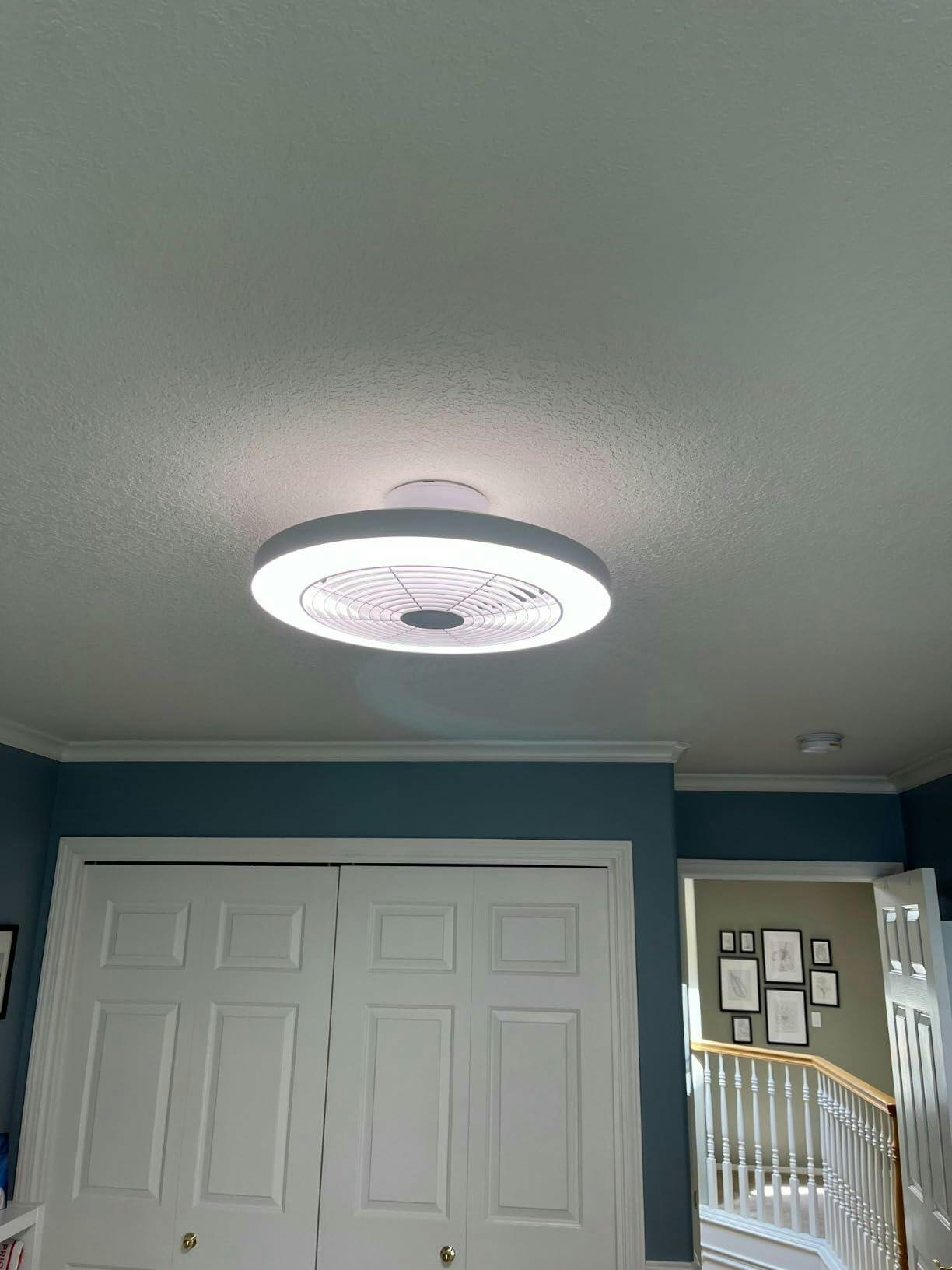
Done right, this combo keeps evenings comfortable, protects structures from moisture, and makes outdoor spaces usable more months of the year. And when you want systems that blend smart controls, low-profile design, and reliable outdoor performance, Orison offers solutions that slot neatly into that blueprint — a practical, elegant end to a common problem. —