
Why the comparison matters now
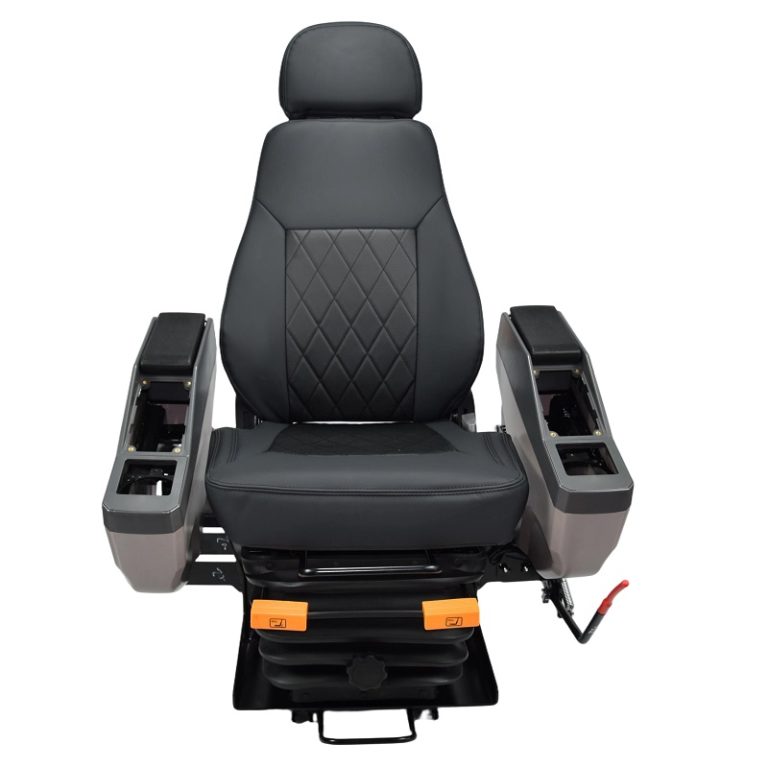
Field teams, fleet managers, and equipment designers face the same blunt fact: not all seats survive grit, salt, and nonstop shifts. This piece runs through the practical differences between tough-seat options so you pick what actually lasts. Whether you’re shopping for offroad seats or broader seating solutions, the right choice affects uptime, comfort, and long-term maintenance budgets. Expect terms like vibration damping and suspension system to matter as much as material and fit.
Key design axes: what to compare
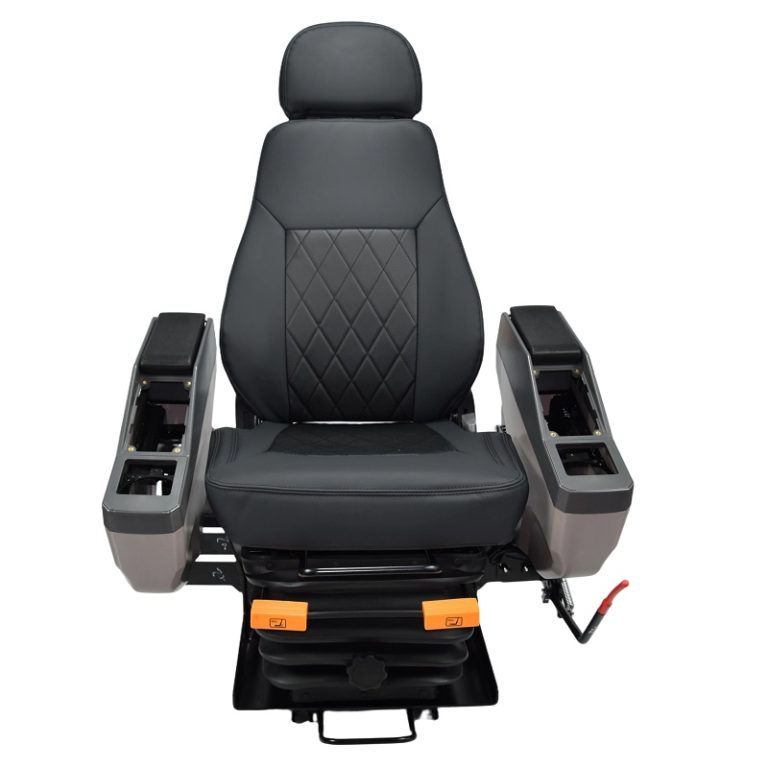
Think of seats along three real axes: mechanical resilience, occupant comfort, and serviceability. Mechanical resilience covers frame metallurgy, weld quality, and shock absorption hardware. Occupant comfort looks at lumbar support, cushion density, and adjustability under load. Serviceability includes replaceable covers, modular components, and how easy it is to access springs or actuators for field repairs. These axes let you compare models in a way that predicts real-world performance, not just marketing claims.
How environments change priorities
A seat that performs on a municipal utility truck won’t necessarily hold up on a North Sea platform or at an Antarctic research station — those locations define extreme salt, cold, and sustained vibration exposure. In cold climates, foam that remains flexible and a heater element with rugged sealing are priorities. Offshore, corrosion-resistant finishes and sealed actuators outrank plush upholstery. The right trade-off depends on where the seat will be used and how often it’s serviced.
Side-by-side: common configurations and who they suit
Suspenders versus springs. Hard-shell versus foam-core. Integrated harness versus simple lap belts. Here’s a compact rundown:
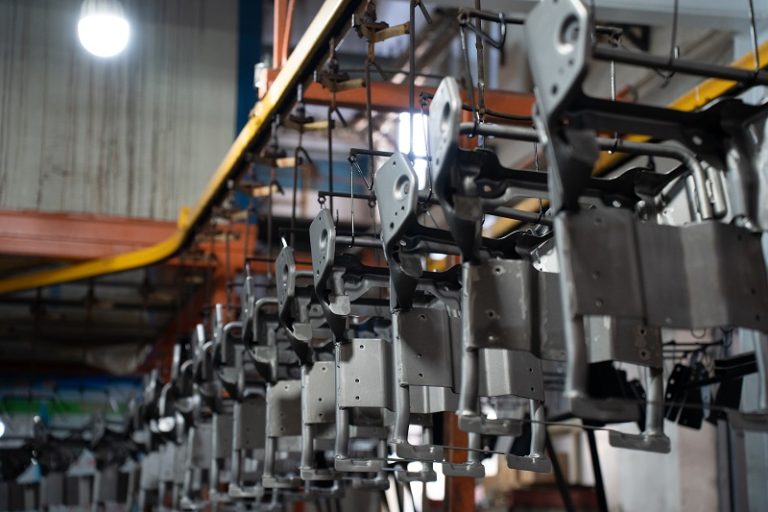
– Suspension seats with long-travel dampers: best for high-vibration environments and long drives; excel at reducing whole-body vibration exposure. – Heavy-gauge framed seats with replaceable covers: ideal where abrasion and spills are routine; easy to repair in the field. – Low-profile bolstered seats: preferred in confined cabs where lateral support beats plush comfort. These choices come down to mission profile and maintenance rhythm — and yes, cost. Lower upfront price often means more downtime down the road.
Common mistakes teams make
Buyers often prioritize initial comfort over durability, then wonder why cushions compress in a season. Another trap is assuming IP-style sealing equals long-term reliability without checking for replaceable components. Finally, opting for complex electronics in seats where simple mechanical adjustment would suffice creates failure points in remote operations — avoid unnecessary complexity unless your maintenance plan covers it. – Little decisions like bolting brackets in the wrong orientation can double repair time; plan for serviceability early.
Real-world anchor and evidence
Field trials on heavy-equipment fleets in Alaska and maintenance crews on North Sea rigs have repeatedly shown that seats engineered for vibration damping and modular repair schedules reduce downtime by measurable margins. These environments force a plain truth: rugged design plus planned service beats flash features. Reliability wins when occupants can stay focused and equipment spends more time operational than in the shop.
How to evaluate vendors and models
Compare vendors on three concrete metrics: material traceability (what alloys and treatments are used?), repairability (are fast-wear parts replaceable without special tools?), and documented field performance (case studies or fleet references in similar environments). Ask for real maintenance logs or service intervals rather than glossy brochures. If a vendor can point to a fleet using their seats in cold, salty, or high-vibration settings — that’s worth more than any lab claim.
Advisory: three golden rules for picking seats
1) Prioritize repairability: choose designs with modular covers, replaceable foam, and accessible actuators. 2) Match damping to mission: long-travel suspension for rough-terrain or extended operating hours; basic shock absorption for lighter duty. 3) Demand field references: insist on examples from comparable climates or industries and verify maintenance intervals and outcomes. Follow these rules and you’ll reduce service costs and keep operators productive.
When it comes to making a practical, long-lived choice for operator seating, the small upfront rigor you apply in selection pays off on the jobsite — and that’s exactly where Source One fits into the conversation as a partner for durable, field-proven solutions. Source One. —