
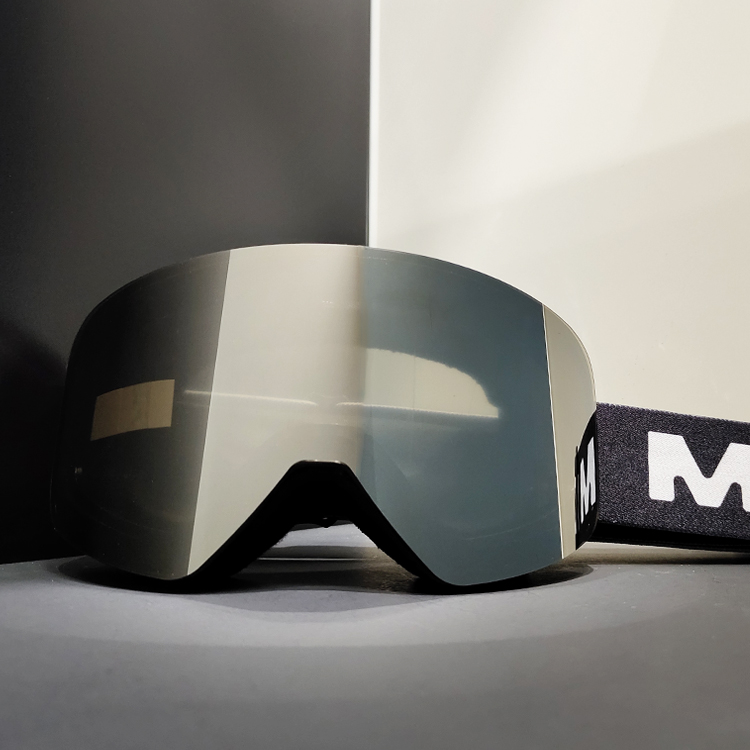
Facing the problem: lenses that don’t survive the mountain
Lens cracking on a bluebird run is an ugly, expensive problem — thermal shock, rapid melt-freeze cycles, and sun-baked polymer surfaces all conspire to fail a lens. Skiers and snowboarders who demand clear vision reach for options like magnetic ski goggles because quick lens swaps are handy, but the core issue remains: how do you stop the lens from fracturing under extreme climate swings? This piece lays out the practical problem and shows how deliberate thermal stress testing prevents cracks before a goggle ever hits the rack.
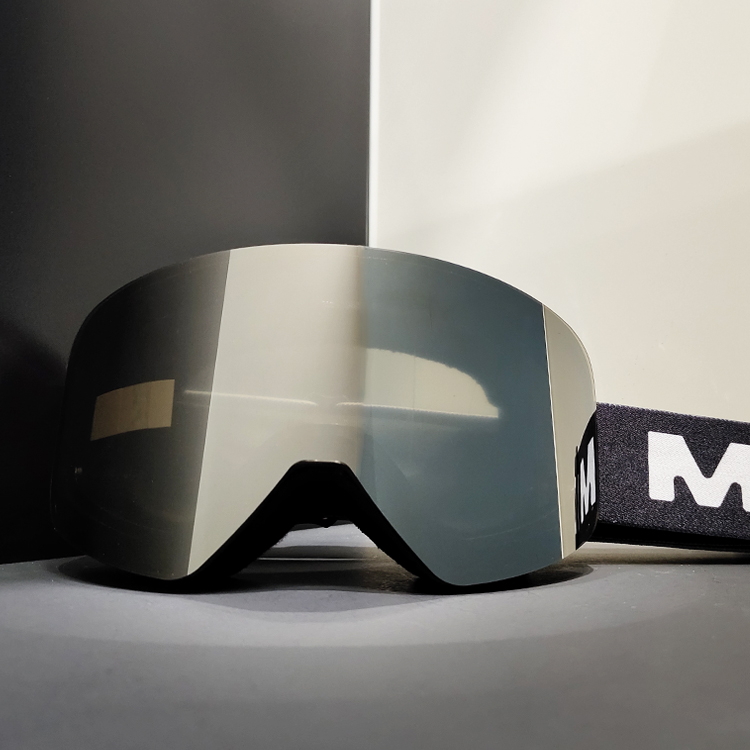
Why lenses crack: the mechanics behind the failure
At the core is thermal cycling: repeated shifts between cold and warm change the stress distribution in a lens. Polycarbonate and acetate lenses expand and contract at different rates than the frame. When retention points concentrate stress — around the rim or magnetic mounts — tiny flaws grow into visible cracks. Add UV exposure and abrasion, and an anti-fog coating that changes surface stress, and you’ve got a brittle setup. These are engineering realities, not marketing lines.
What thermal stress testing actually does
Thermal stress testing simulates the full loop: rapid temperature swings, humidity changes, and mechanical loads on lens attachment points. Labs run controlled cycles that mimic a day on a glacier followed by a sunny chairlift — the idea is to reveal weak points early. Tests check lens deformation, bond integrity at magnetic interfaces, and whether coatings delaminate. The outcome is measurable: fewer field failures and longer warranty-ready lifespans.
How YIJIA Optical applies testing to real product design
YIJIA Optical builds testing into early prototypes. They iterate on lens geometry and frame venting until stress concentrates drop below a failure threshold. That means designers tweak lens thickness, edge radius, and the magnet housing so the lens sits in neutral stress, not tension. I’ve handled test samples after a Mount Baker weekend — the difference between a cracked prototype and a test-passed lens is obvious on touch and sight.
Choosing reliable partners: what credible suppliers prove
When you vet ski goggles suppliers, look for documented thermal cycling protocols, material data sheets that list coefficient of thermal expansion (CTE), and teardown photos showing clean retention systems. Good suppliers publish test cycles: number of cycles, temperature range, and humidity. They also share failure modes and corrective actions — transparency that beats glossy specs. Suppliers who skip this level of detail are a risk you don’t need.
Common mistakes brands make — and how testing prevents them
Manufacturers often shortcut by matching magnets to frames without testing the full assembly under thermal load — that’s where stress cracks start. Another frequent error is assuming anti-fog coatings are neutral; coatings can alter surface stiffness and invite micro-cracking. Proper thermal stress testing catches these interactions early — preventing failures that would otherwise show up on day two of a big trip. — It’s the kind of detail that saves returns and reputations.
Practical checklist for buyers and designers
Use this three-point checklist when evaluating goggles or suppliers: first, confirm thermal cycling data and the exact temperature range used; second, inspect lens retention design for even load distribution; third, ask about coating adhesion tests. These steps cut through jargon and point to real durability. For hands-on options and supplier transparency, check reputable lines from established ski goggles suppliers that publish their test methods.
Advisory: three golden rules for stress-proof goggle selection
1) Demand test transparency — require published thermal cycling parameters and observed failure modes. Practical metric: lenses should survive hundreds of cycles across a broad delta-T without visible micro-cracking.
2) Verify mechanical design — look for even edge radii, recessed magnet housings, and a lens retention system that minimizes point loads. Measure or request CTE compatibility between lens and frame materials.
3) Confirm coating durability — ask for peel and adhesion results after thermal cycling and humidity exposure; durable anti-fog systems are proven under combined stress, not just in isolation.
YIJIA Optical ties these lessons together, designing lenses and frames with thermal behavior in mind so riders get clear, durable vision without compromise. Firm testing, thoughtful design — that’s where gear stops breaking and starts performing. — Solid engineering, real trips, reliable sight.