
Opening: why this matters now
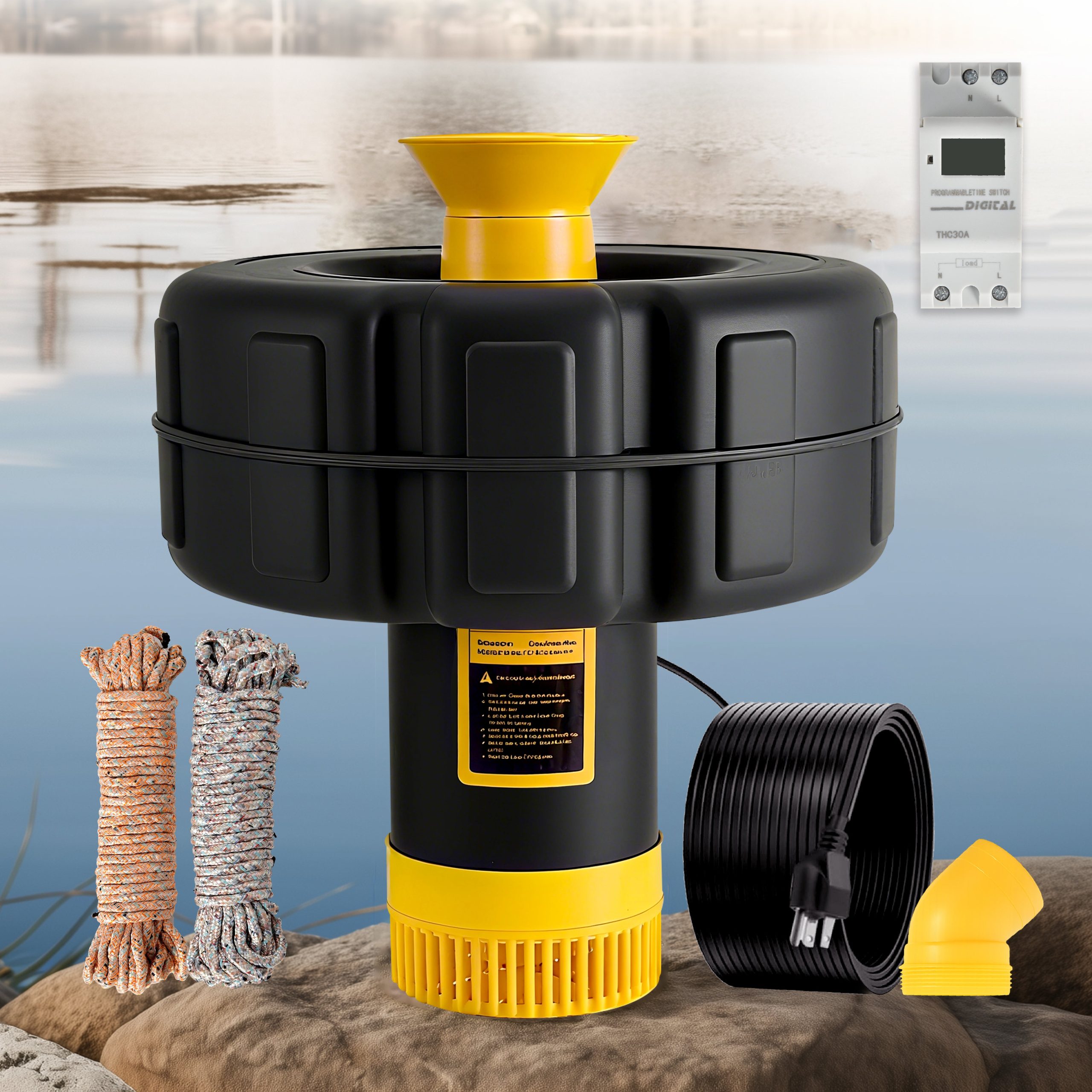
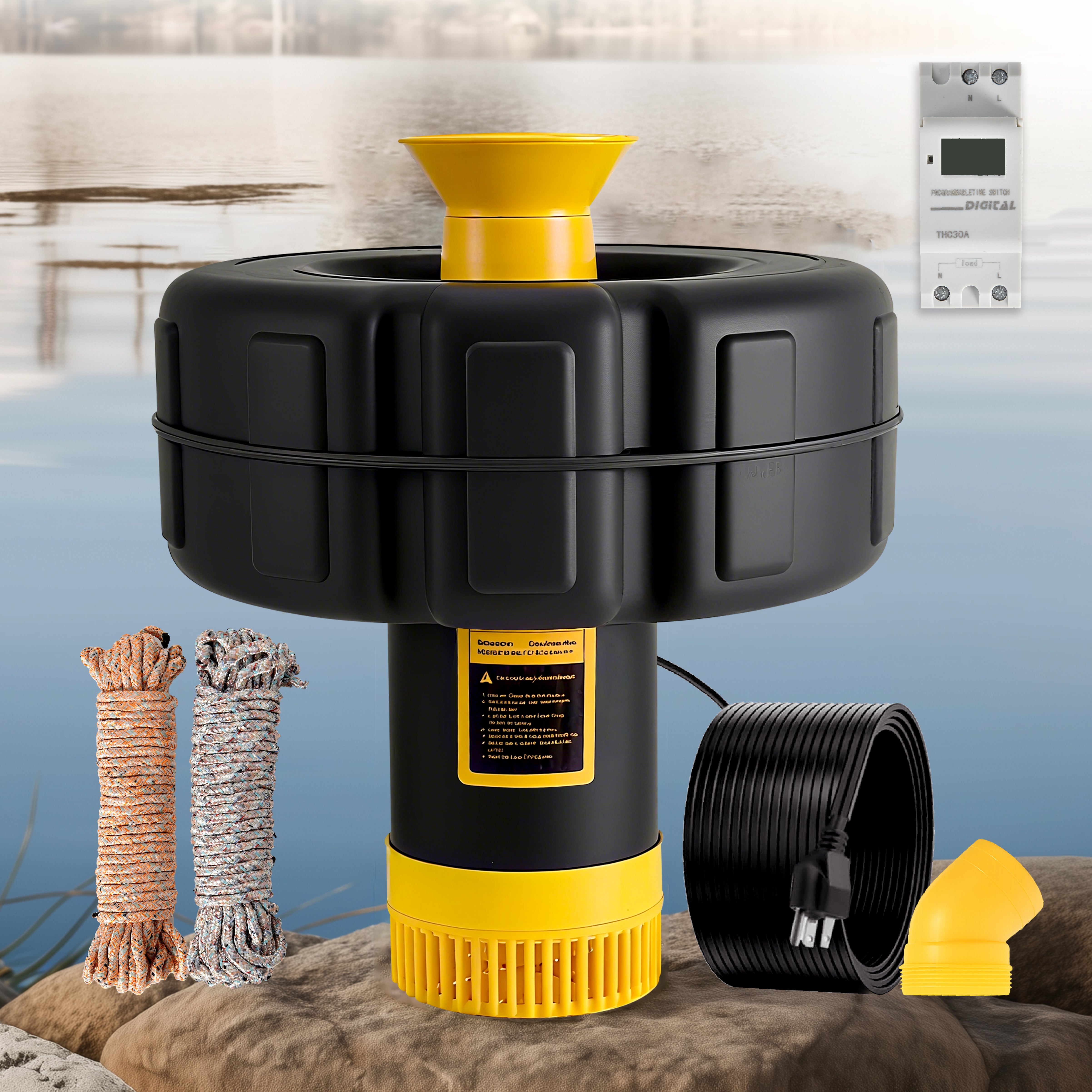
South African dams and ornamental ponds are feeling the heat — literally and ecologically — which is why innovation in pond aeration deserves a future-focused look. A new generation of units promises quieter operation, smarter timers and better oxygen delivery; if you’re comparing options, start with practical models like a water aerator for pond and imagine what the next step looks like. From Cape Town’s municipal retention ponds to Hartbeespoort Dam’s periodic algal blooms, there’s a clear real-world anchor showing why improved aeration and circulation matter for ecosystem health and recreational use.
Why low noise is more than creature comfort
Noise reduction isn’t only about keeping neighbours happy — it shapes where you can deploy equipment and how maintenance teams operate. Quieter compressors and submersible pumps make it feasible to run continuous aeration without complaints in suburban parks or near holiday homes. Low-noise designs also often indicate smoother mechanical coupling and better vibration damping, which can reduce wear on diffusers and other submerged components. And crucially, quieter units are easier to run for longer cycles, improving dissolved oxygen (DO) profiles across the day.
Emerging tech to watch in the next five years
Advances cluster around three areas: aeration delivery, control intelligence, and power efficiency. Diffuser materials and shapes are evolving to increase oxygen transfer efficiency while reducing bubble shear noise. Variable-speed compressors and brushless motors cut acoustic output and tail the power draw to actual DO demand. Lastly, smart timers and IoT-enabled controls allow seasonal or diurnal scheduling to optimise aeration without human babysitting — nice for large estates or municipal sites. For those seeking a ready-made step-up, a modern floating pond aerator with an integrated timer can be a practical bridge technology.
Design trade-offs you’ll meet in procurement
Every quiet system has trade-offs. Larger mufflers and acoustic housings reduce noise but can add bulk and cost; finely tuned diffusers raise oxygen transfer but may clog faster in silty water. You’ll also find differences in energy source — mains-powered units versus solar-assisted systems — and these choices affect runtime and maintenance cycles. Think in terms of whole-life cost, not just sticker price: energy consumption, spare parts for compressors, and the labour for seasonal clean-outs are where budgets surprise people.
Common mistakes teams keep making — and how to avoid them
1) Undersizing the system for peak summer demand. DO falls fastest when temperatures climb, so size for worst-case loads, not average conditions. 2) Neglecting intake protection — poor screening lets debris foul diffusers, raising noise and lowering oxygen transfer. 3) Skimping on controls — running full-blast 24/7 wastes energy and accelerates wear. Test with short, realistic cycles on-site before committing to multiple units. — Also, don’t assume identical pond geometries behave the same; depth, surface area and existing circulation pattern all matter.
How to evaluate claims of “silent” operation
Manufacturers will quote decibel figures — useful but insufficient. Ask for measured sound profiles at realistic installation distances, and request power curves that show energy use at various blower speeds. Look for independent performance data on oxygen transfer efficiency or lab trials comparing diffusers in standard tests. Where possible, visit a local installation: hearing a system in situ (near a public garden or a small municipal pond) tells you more than specs alone.
Three critical metrics to choose the right next‑gen aerator
1) Oxygen Transfer Efficiency (OTE): How effectively a unit moves oxygen into the water per kilowatt-hour. Higher OTE means lower running costs and smaller carbon footprint. 2) Effective Noise Level at Installation Distance: Measured decibels at typical shoreline or neighbouring property distance — not factory bench numbers. 3) Runtime Flexibility and Controls: Ability to schedule variable aeration (timers, remote control, or sensor-driven DO setpoints) so you can target colder mornings or hot afternoons and avoid wasted operation.
Closing advisory and practical wrap
When you put those metrics together, you’ll find which product matches your needs: high OTE and smart controls for ecological restoration projects; low-noise, compact units for parkland; rugged, serviceable blowers for commercial fish farms. Remember to factor in servicing access and spare-parts lead times — that’s where many installations get stuck. —
Orison offers practical, tested solutions and sensible integration for sites that need quiet, efficient aeration — and that practicality is where value shows up. —