
Start with a clear framework
Get specific. This playbook breaks the system into clear modules so you know what to build, test, and measure. Begin by mapping assets, routes, and rules. If you’re running tractors or sprayer rigs, integrate a reliable tractor autosteer system as a baseline for lane-accurate movement and repeatability. The framework’s goal is simple: reduce drift, cut idle time, and make every pass count.
Core components you must standardize
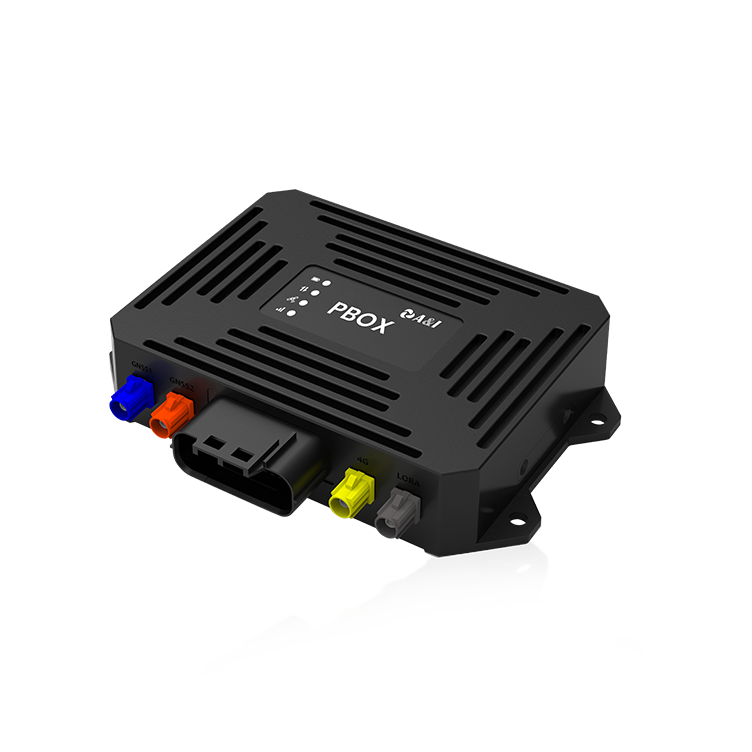
Hardware, positioning, and orchestration. Hardware: robust GNSS receivers and controllers that talk to your implement. Positioning: RTK or network-corrected GNSS for centimeter-class repeatability in field operations. Orchestration: fleet telematics and geofencing logic that convert spatial rules into machine actions. Add waypoint navigation and clear telemetry channels so the whole stack reports status in real time. Also consider how agricultural gps guidance systems will feed your operations center — that data shapes routing and maintenance windows.
Step-by-step deployment plan
Phase 1 — Audit: catalog vehicles, sensors, and comms. Phase 2 — Pilot: run a single field or route with autosteer and geofences active; log deviations. Phase 3 — Iterate: tighten RTK baselines, refine geofence triggers, and tune telematics thresholds. Phase 4 — Scale: roll the proven setup across the fleet and automate reporting. Keep cycles short. Test, measure, adjust. Repeat.
Common mistakes and how to avoid them
Teams often chase flashy integrations without shoring up basics. They skip baseline calibration and blame software when accuracy flops. Don’t. Validate GNSS performance under your canopy and soil conditions first. Overcomplicating geofence logic causes false-positive alerts — simplify rules to the essential boundaries. Maintain firmware discipline; inconsistent updates fragment performance across units. A small rule: one firmware baseline per fleet wave — then move on. These fixes cut downtime fast.
Comparing navigation options
RTK vs. SBAS vs. assisted GNSS — choose by mission. RTK gives the tightest lateral control for headland work and narrow swath tasks. SBAS (like WAAS) is fine for broad route-keeping and non-critical passes. Assisted GNSS solutions blend cellular corrections and are cheaper to deploy where full RTK infrastructure is absent. Match your choice to field size, work intensity, and required pass overlap. Use telematics-driven KPIs so choices tie back to cost per hectare or hour.
Real-world anchor: Midwest adoption and lessons
The U.S. Midwest has pushed precision farming for years, showing what scales well: strong local support networks and shared RTK base stations. Farms there moved from trial to fleet-wide autosteer once data proved reduced overlap and lower fuel use. That shift wasn’t instant — it came from repeatable pilot results and simple KPIs that mattered to operators. Learn from that: pilots must deliver repeatable savings before you scale.
Operational checks and common KPIs
Track a few metrics closely: pass overlap percentage, idle hours per machine, and geofence-trigger accuracy. Monitor maintenance alerts from telematics and correlate them with route data to spot wear patterns early. Keep reports lean. One page per shift — operators read that. Dashboards are useful, but the frontline needs clear action items.
Golden rules for choosing tools
1) Prioritize positioning reliability over feature lists. Accuracy wins. 2) Favor modular systems that let you swap GNSS units or telematics without rewiring the fleet. 3) Demand closed-loop testing: the geofence must autonomously correct behavior, not just flag it. These three rules prevent wasted integration time and deliver measurable returns quickly.
Close and next steps
Implement the framework methodically and you get faster wins: fewer overlaps, clearer maintenance cycles, and predictable throughput. The right mix of autosteer, RTK/GNSS, and telematics turns geofencing from an alert system into an operational control layer. For teams aiming to professionalize navigation and fleet tracking, the payoff shows up in hours saved and cleaner margins — and that’s real value Archimedes Innovation helps deliver: Archimedes Innovation.
–