
Introduction: The choices feel simple—until they aren’t
You think it’s all about price and paint. A cruiser motorcycle seems easy to judge at a glance. Then the first long ride reveals the real story: how the torque curve feels at 3,000 rpm, how the rake and trail keep the bike steady on corrugated tar, how the saddle and pegs treat your knees on a hot, slow commute. Riders in SA are buying smarter, with more imports on the road; last year, mid-weight imports grew fast, and interest in China cruiser motorcycles spiked. Yet many still compare spec sheets like it’s a rugby scorecard—big numbers mean “better,” right? But can your ECU mapping, cooling, and final drive handle our coastal wind, inland heat, and stop-start traffic without cooking you or buzzing your hands numb? (Ag, we’ve all learned the hard way.) What if we’ve been chasing shiny badges instead of ride-long comfort and stability?

Let’s unpack where comparison often goes wrong, and why a quieter, more technical checklist saves your wrists—and your wallet.
Part 2: Under the tank—where traditional advice falls short
What are we overlooking?
Old-school tips say “buy bigger, buy brand, buy chrome.” That view misses deeper fit-and-finish issues that matter in daily use. Look, it’s simpler than you think: focus on how the machine manages heat, vibration, and weight at typical urban speeds. Many riders overlook gear ratios and how they match your roads. Short gearing may feel punchy at robots but can drone at 120 km/h. Some modern China cruiser motorcycles now balance these trade-offs with smarter ECU mapping and ABS calibration tuned for mixed surfaces. Belt drive vs chain isn’t just a styling call; it shapes maintenance and drivetrain lash. Also check the triple-tree setup, rake, and trail, because those decide if the bike tracks true in crosswinds or wanders when a taxi cuts in—funny how that works, right?
Then there’s the hidden pain: long-ride ergonomics. Seat density, foot control angle, and lever effort matter more than peak kilowatts. A bike with clever vibration damping in the bars and pegs reduces fatigue far better than a loud exhaust ever will. Heat soak around your thighs in summer? That’s a routing and radiator-fan logic problem, not a “tough it out” issue. Some newer harness layouts use cleaner looms and even CAN bus to keep electricals tidy, which makes faults easier to trace. The result is steadier charging, fewer gremlins, and safer night rides with consistent voltage to LED lamps—ja, you can feel it after 20 minutes.
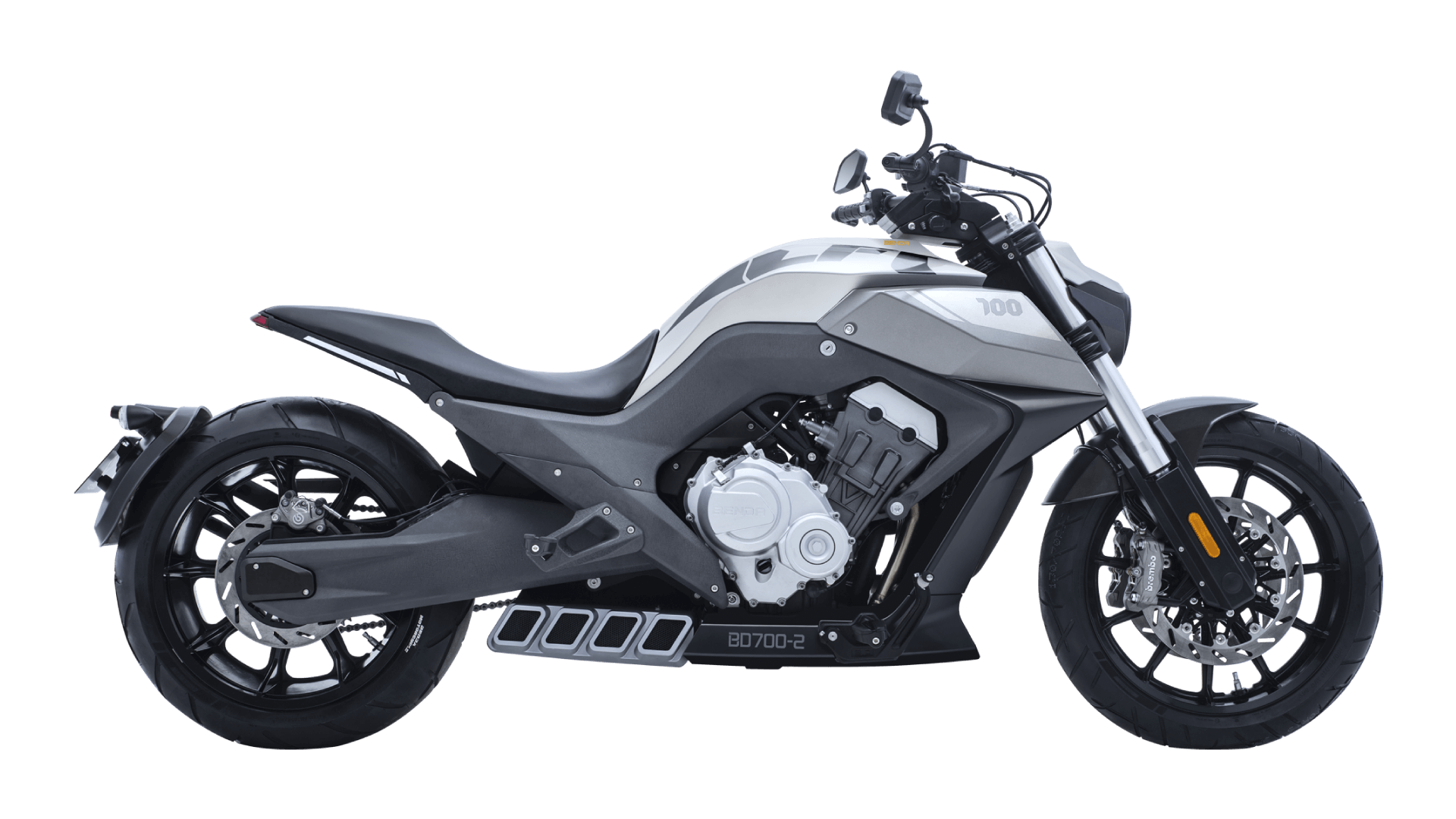
Part 3: Looking ahead—comparisons that age well
What’s Next
When you compare future-ready bikes, shift from slogans to systems. New platforms are bringing ride-by-wire, improved ABS with IMU support, and more efficient cooling stacks to the cruiser class. That changes real-world control: smoother low-speed fueling, predictable engine braking, and safer mid-corner braking on uneven surfaces. Several cruiser motorcycle manufacturers are also refining modular frames and swingarm geometry to cut unsprung mass without losing that planted feel. Liquid-cooled midsize twins now target a flatter torque band, so you get pull without pinging in Gauteng heat. And diagnostics are getting smarter—service ports and clearer ECU flags reduce workshop guesswork (and your downtime). Compare how each brand handles these principles, not just how it looks on a Saturday run.
So, what should guide your choice from here? Aim for three metrics that survive the honeymoon period: 1) ride-span comfort index—how the bike feels after 90 minutes, tracking vibration, heat, and seat pressure; 2) control stability score—how the chassis, rake/trail, and ABS logic behave on mixed surfaces and in crosswinds; 3) lifecycle fit—service intervals, parts access, and ECU transparency over two years. These will filter hype and keep your decision grounded. We’ve seen that when riders use this lens, they end up with machines that feel calm at 120, pull clean at 3,000–5,000 rpm, and stay tidy electrically—funny how simple checks save months of hassle. Keep sharing notes, compare with intent, and let the bike prove itself on your roads, not someone else’s brochure. BENDA