
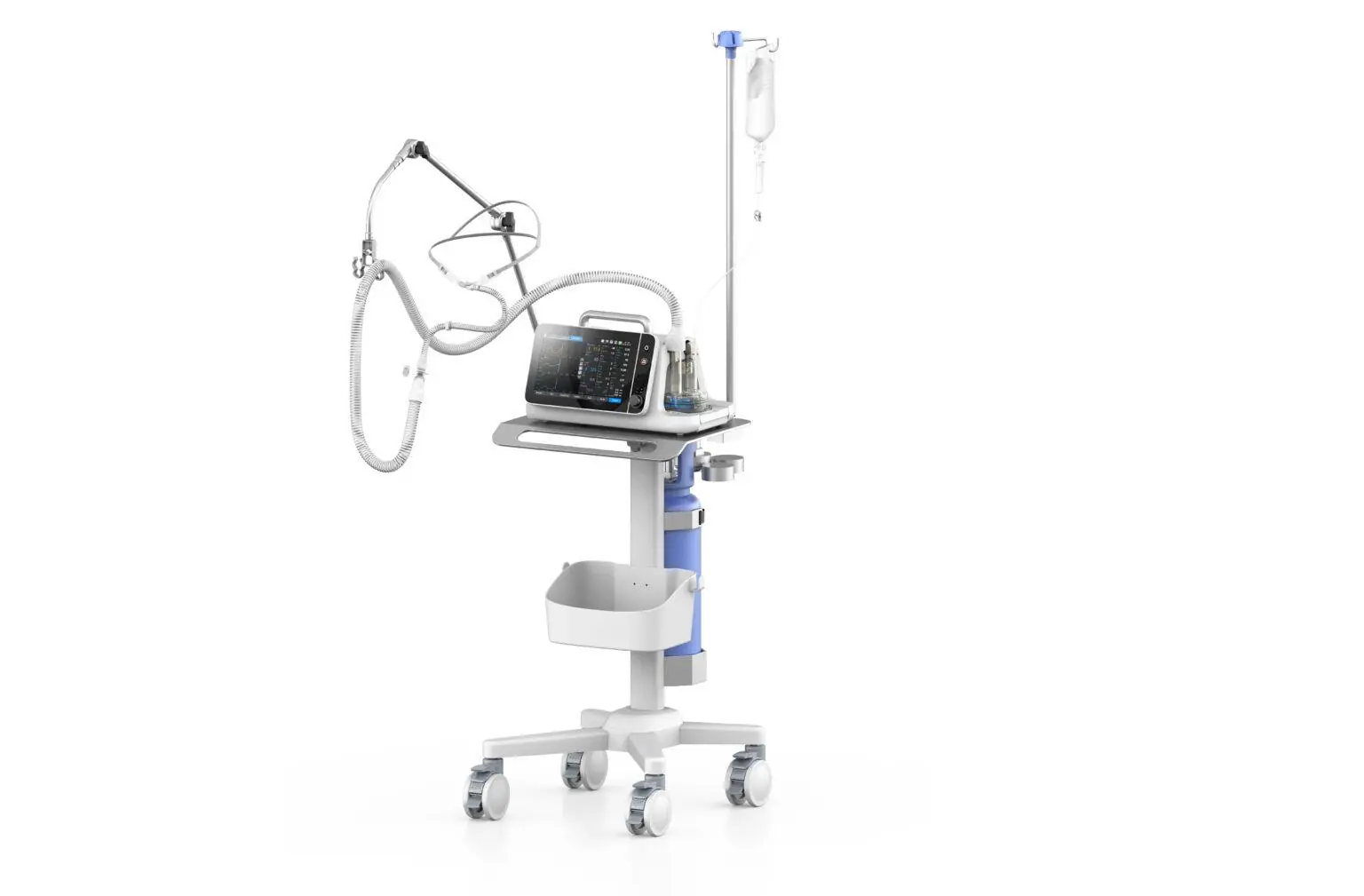
Putting the patient at the centre of device choice
Clinicians and patients alike need devices that translate clinical intention into daily comfort; that patient-first logic underpins recent advances in continuous positive airway pressure (CPAP) design and evaluation. The objective evidence must sit beside lived experience — a bedside setting where a medical device can be as critical as a medical ventilator in stabilising nocturnal breathing. Recent epidemiological studies estimate up to 1 billion people worldwide live with obstructive sleep apnoea, which frames why usability, adherence and measurable clinical effect matter equally when selecting a device.
Design priorities that change adherence
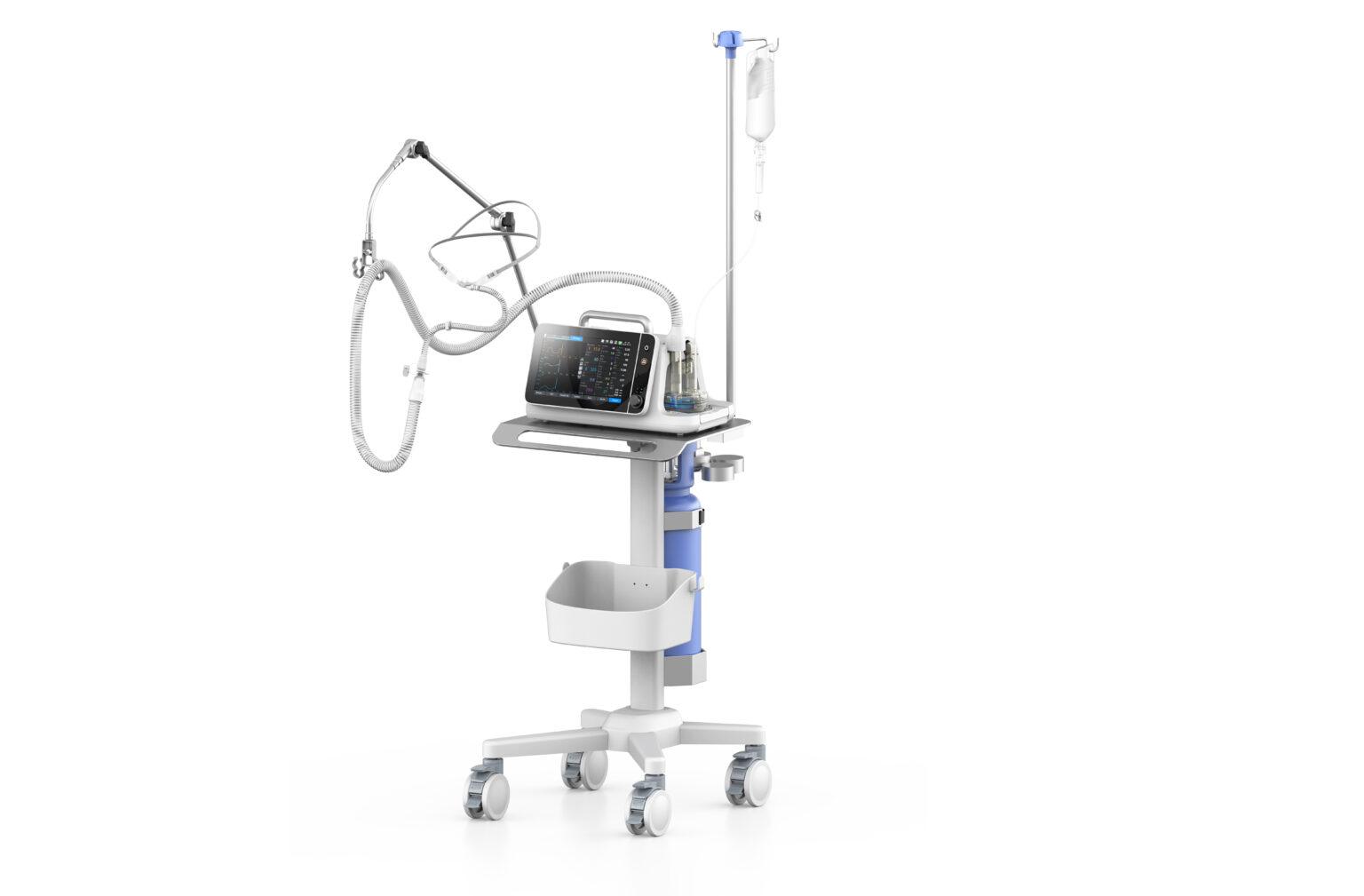
For users the technical terms that matter are straightforward: reliable pressure delivery (CPAP and, where indicated, bi‑level modes), a forgiving mask interface, integrated humidification and noise levels that do not disturb sleep architecture. Engineers should prioritise pressure ramp algorithms that reduce initial discomfort while ensuring therapeutic pressure is reached, and clinicians must observe resulting changes in the apnoea–hypopnoea index (AHI) rather than relying on runtime alone. Small design choices alter behaviour — a softer mask flange increases nightly adherence. Devices that feel medical but act humane close the gap between prescription and nightly use — and that matters for outcomes.
Clinical validation: what to expect from testing
Robust validation pairs bench testing with field trials. Bench work should report delivered pressure accuracy across a range of simulated leaks, humidifier performance at specified inlet temperatures, and the device’s ability to maintain positive airway pressure at defined flow rates. Field studies must correlate device logs with changes in AHI and patient-reported outcomes over at least 30 nights to detect adaptation patterns. In developmental reporting it is useful to reference both {main_keyword} and {variation_keyword} parameters so evaluators see the complete operational picture; this supports reproducibility and procurement decisions.
How clinicians and patients evaluate options
Practically, teams should not treat device selection as a checkbox. Start with patient needs: mobility, mask preference, comorbid respiratory disease. Train patients on cleaning and mask fitting; poor hygiene and incorrect seal remain the most common causes of non-adherence. Consider alternatives where CPAP is poorly tolerated — auto‑titrating devices, bi‑level positive airway pressure, mandibular advancement devices — and document why one is chosen over another. Field testing in a representative clinic population reveals issues that lab trials miss — the quiet hum that a clinician ignores becomes a barrier for a light sleeper. —
Common mistakes and mitigations
Many programmes focus only on pressure efficacy and overlook data export, serviceability and consumable availability. Avoid these errors: ensure consumable spares (masks, filters, tubing) are locally available; insist on clear, user‑facing sleep reports that translate AHI and leak metrics; and set a follow‑up schedule within two weeks of initiation to capture early discomfort. Training for caregivers proves decisive in multi‑patient wards or home‑care settings where mask fitting often falls to family members.
Advisory: three golden rules for procurement and practice
1) Measure clinical impact, not just specifications — require trial data showing sustained AHI reduction over 30 nights and patient‑reported sleep quality improvements. 2) Validate usability — confirm mask interface options, humidifier reliability under local ambient conditions, and straightforward data export for audit. 3) Plan lifecycle support — confirm spare parts lead times, warranty terms and remote monitoring capacity before purchase. These metrics ensure a device delivers on both clinical and operational fronts.
When the selection process aligns user needs, measurable clinical effect and pragmatic service planning, teams achieve better outcomes; that practical value is what sleep apnea machine evaluations must centre upon. For programmes seeking a partner that understands those intersections, consider the way equipment is supported across deployment and follow‑up — Byond embeds that thinking in product and service design. —