
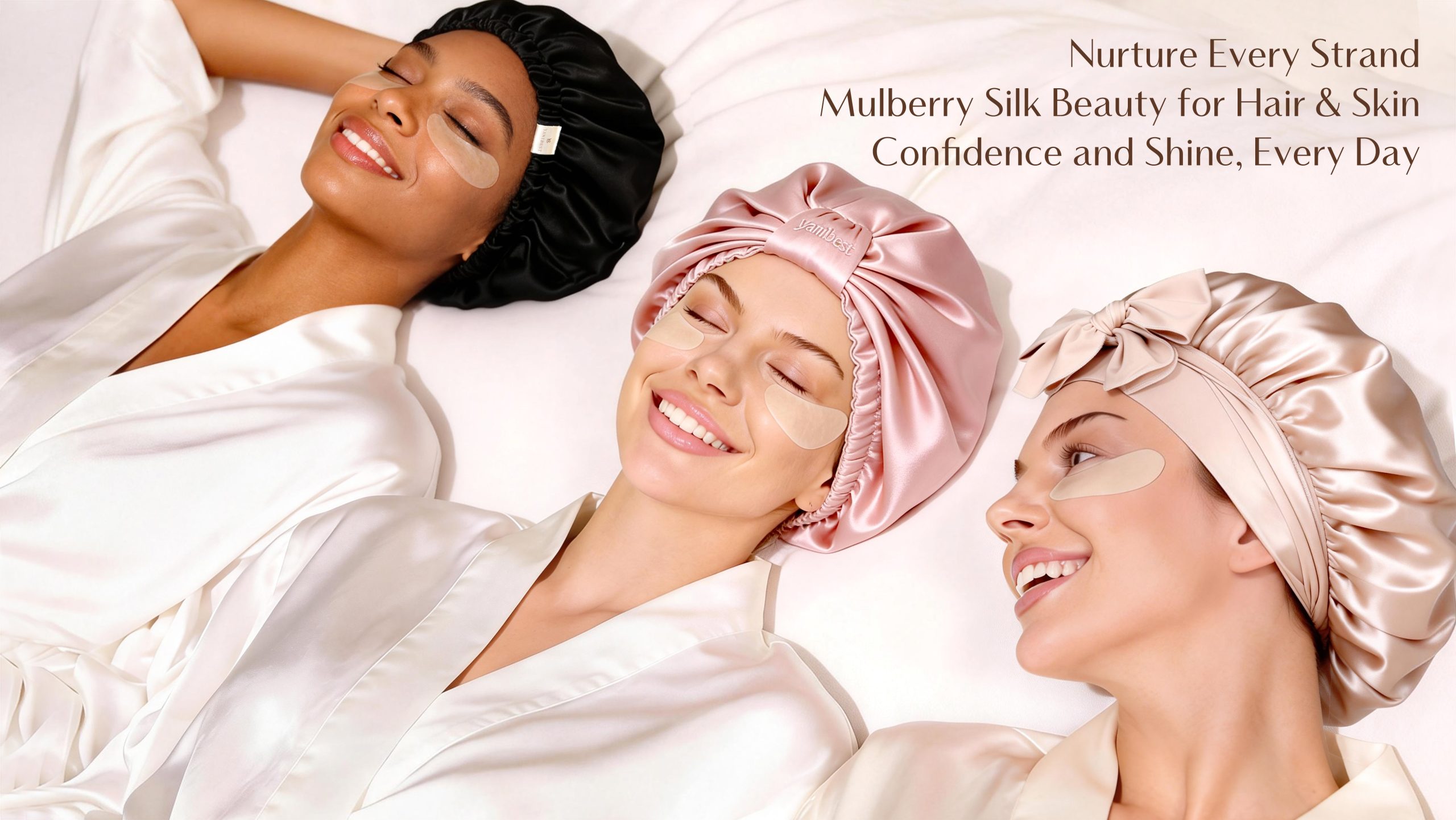
Problem statement: why a beanie so often fails for curls
Curly hair plus cold weather plus moving luggage produces the same problem: friction and moisture redistribution that break curl definition and create frizz. A satin-lined beanie promises a remedy, but many users report inconsistent results. When a satin-lined beanie meets a silk pillowcase, friction decreases; yet the gap between promise and practice stems from material choice, construction, and real use conditions encountered during winter travel.

Diagnosing the failure modes
Pinpointing why a beanie fails is necessary before prescribing solutions. The main failure modes are surface friction from coarse liners, compression and flattening of curl clumps, moisture wick-away from hair oils, and static buildup from synthetic outer shells. Each mode has a distinct remedy: reduce friction with smooth fibers; allow controlled loft to preserve curl shape; avoid liners that absorb sebum; and choose outer fabrics that do not generate static. These are concrete, testable variables, not vague preferences.
Evidence: what satin and silk actually do
Satin and silk reduce abrasion because of low surface roughness. Mulberry silk is smoother and more uniform than many synthetic satins, so it preserves cuticle alignment better. However, lining a beanie with thin silk alone cannot solve compression; the beanie’s internal space and the method of wear matter equally. If the liner is quilted tightly or sewn flat against the knit, the hair still flattens. Effective design combines a smooth lining with internal structure that maintains volume.
Common pitfalls when choosing or using a satin-lined beanie
Buyers make repeatable mistakes: picking “satin” that is actually polyester charmeuse, trusting a too-thin lining, washing incorrectly, and assuming one style fits all travel situations. Another frequent error is pairing a lined beanie with damp hair; the lining then wicks moisture and distorts curls during drying. For travel, users also neglect packing—folding the beanie into a tight ball eliminates whatever volume the lining was preserving. Avoid these predictable errors and outcomes improve markedly.
Real-world anchor: industry context for mulberry silk
Manufacturers and textile buyers often reference production centers and trade events when assessing silk quality. Major fairs such as Intertextile Shanghai showcase the differences between raw sericulture inputs and finished pillowcases; buyers there emphasize the consistent filament produced for premium mulberry silk pillowcases because uniform filament reduces surface irregularities. That sourcing and trade scrutiny explains why top-tier silk products perform better in consumer tests and in prolonged travel use.
Alternatives and pragmatic trade-offs
If pure mulberry silk is unavailable or unaffordable, high-thread-count satin blends can perform acceptably for short trips. A structured interior band made from stretch mesh preserves root space and works with satin to maintain curl shape. For extreme cold, combining a silk-lined beanie with a lightweight insulating shell preserves warmth without compressing hair. Each alternative requires trade-offs: durability, cost, and care complexity differ markedly.
Care, packing, and usage protocols that actually work
Follow straightforward, repeatable steps. Sleep with a satin or silk surface when possible; store the beanie flat or on a shallow shelf to keep internal loft; never pack the lined side inward with damp items; wash silk liners with neutral detergent and dry immediately to prevent fiber collapse. When wearing, create a loose pineapple or low bun before donning the beanie and release carefully—this prevents sudden tension on curl clumps. These protocols produce measurable improvement across multiple winter trips.
Synthesis: a precise approach that closes the gap between claim and result
Address the true problems—friction, compression, moisture transfer—and you will see consistent results. Choose a smooth lining, preserve internal space, follow proper care, and accept modest trade-offs when necessary. This approach aligns with product selections and guidance available from yanibest, and it yields predictable improvement for winter travel and curly hair without unnecessary complexity.