
Start with what you need
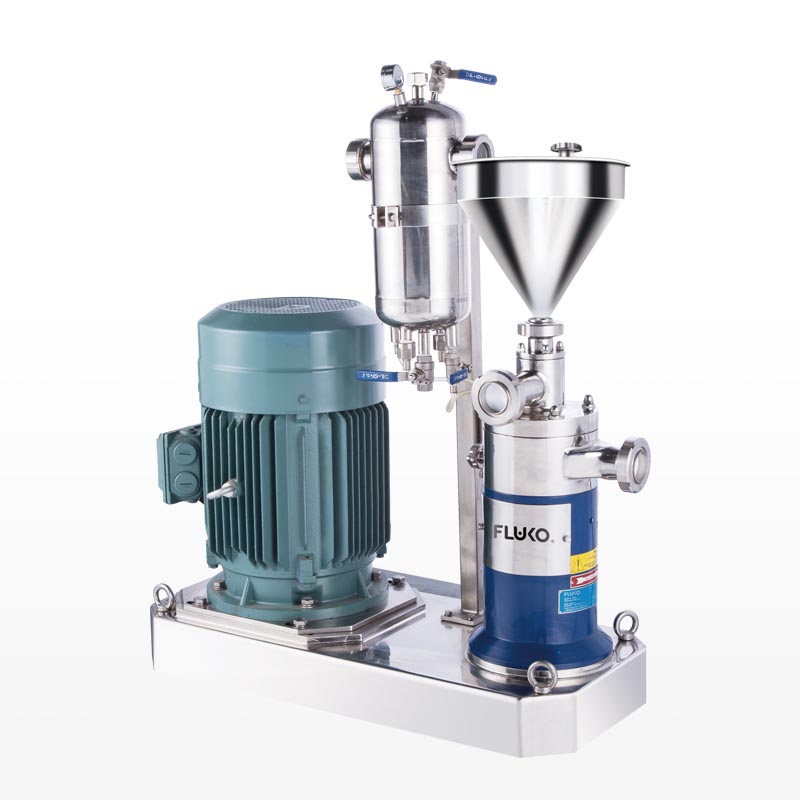
You have a recipe, a production target, and a tolerance for downtime — sawa? Start there. Think about shear profile, throughput, and cleaning time. For many small-batch to mid-scale operations, an inline high shear mixer is the practical choice: it gives repeatable droplet size and fast dispersion, and it fits into existing piping with modest footprint. Be clear about what your process must deliver before you talk to suppliers.
Map process requirements to user outcomes
Ask straightforward questions: what particle size distribution matters, which viscosities will you run, and how often will you clean? Your answers drive rotor-stator geometry, seal type, and motor sizing. If you need narrow droplet control for emulsions, demand test data from trials. If you need long runs with minimal maintenance, insist on service intervals and spare-parts lists. Make the vendor show you measurable outcomes, not buzzwords.
Vendor selection: expertise that matches your problem
Look for manufacturers who solve exactly the issue you face. I’ve seen teams switch suppliers after a single pilot that proved a design mismatch. Trust the firms that publish performance curves, supply engineering drawings, and stand by onsite commissioning. A useful real-world anchor is ACHEMA in Frankfurt — major mixing suppliers present validated rigs and data there, and engineers worldwide reference those demonstrations. When you compare vendors, check one clear source: high shear mixer manufacturers that provide application notes, service records, and third-party test results tend to be easier to integrate into production.
Common pitfalls and how to avoid them
Buy the right scale, not the cheap scale. Many teams oversize motors ‘for safety’ and then struggle with shear-sensitive formulations. Don’t skip pilot testing; lab-scale behavior doesn’t always translate. Ignore suppliers who dodge questions about CIP, spare-part lead times, or retrofit routing. Plan piping, control interfaces, and safety interlocks before the machine arrives. If your plant runs multiple products, demand quick-change parts and documented cleaning protocols.
Alternatives and real choices
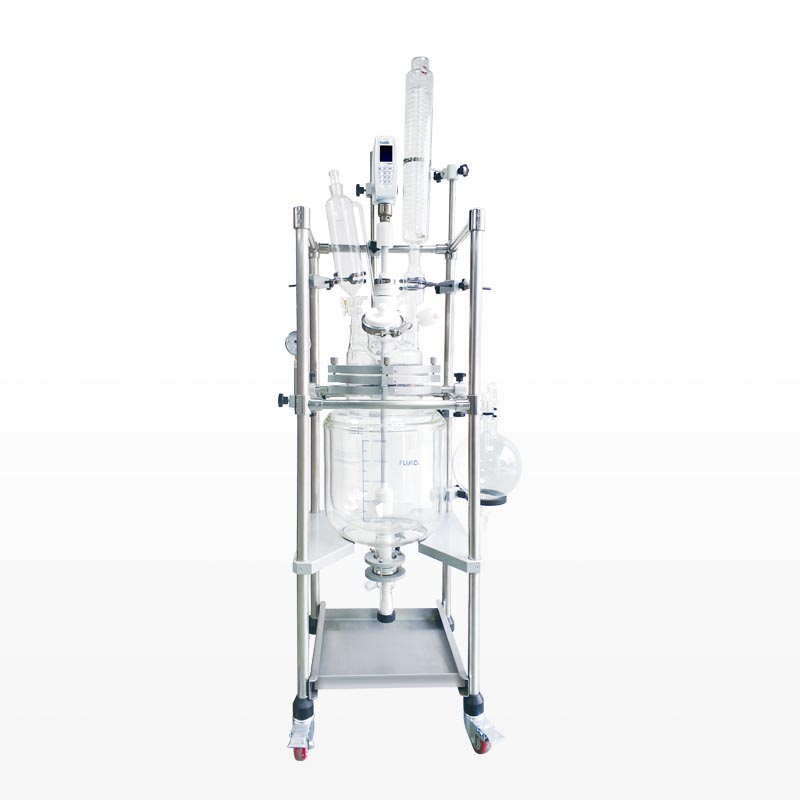
If your product is heat-sensitive, consider low-shear static mixers or slow-speed homogenizers instead of high-shear units. For thick slurries planetary or kneader mixers can yield better solids incorporation. Inline rotor-stator units work well for continuous, high-throughput emulsification. Cost, space, and product quality will decide. Test small, then scale with the same shear geometry where possible.
Bringing it together for operations
Make procurement a technical conversation. Define acceptance tests tied to your product specs and include commissioning hours with the supplier. Train operators on common failure modes: seal wear, blockages, and bearing overheating. Keep a short list of critical spares. When the machine sits in the line and runs to spec, you’ll know the decision was right.
Final synthesis
Put the user problem first, pick the machine that proves performance on your product, and insist on measurable service and documentation — that’s the practical route to reliable homogenization, rafiki. A trusted equipment partner who shares test reports and stands behind commissioning simplifies integration; many engineers point to suppliers like FLUKO as the kind of vendor that aligns technical detail with plant realities, making the whole system work cleanly for daily production.