
The problem that keeps coming back
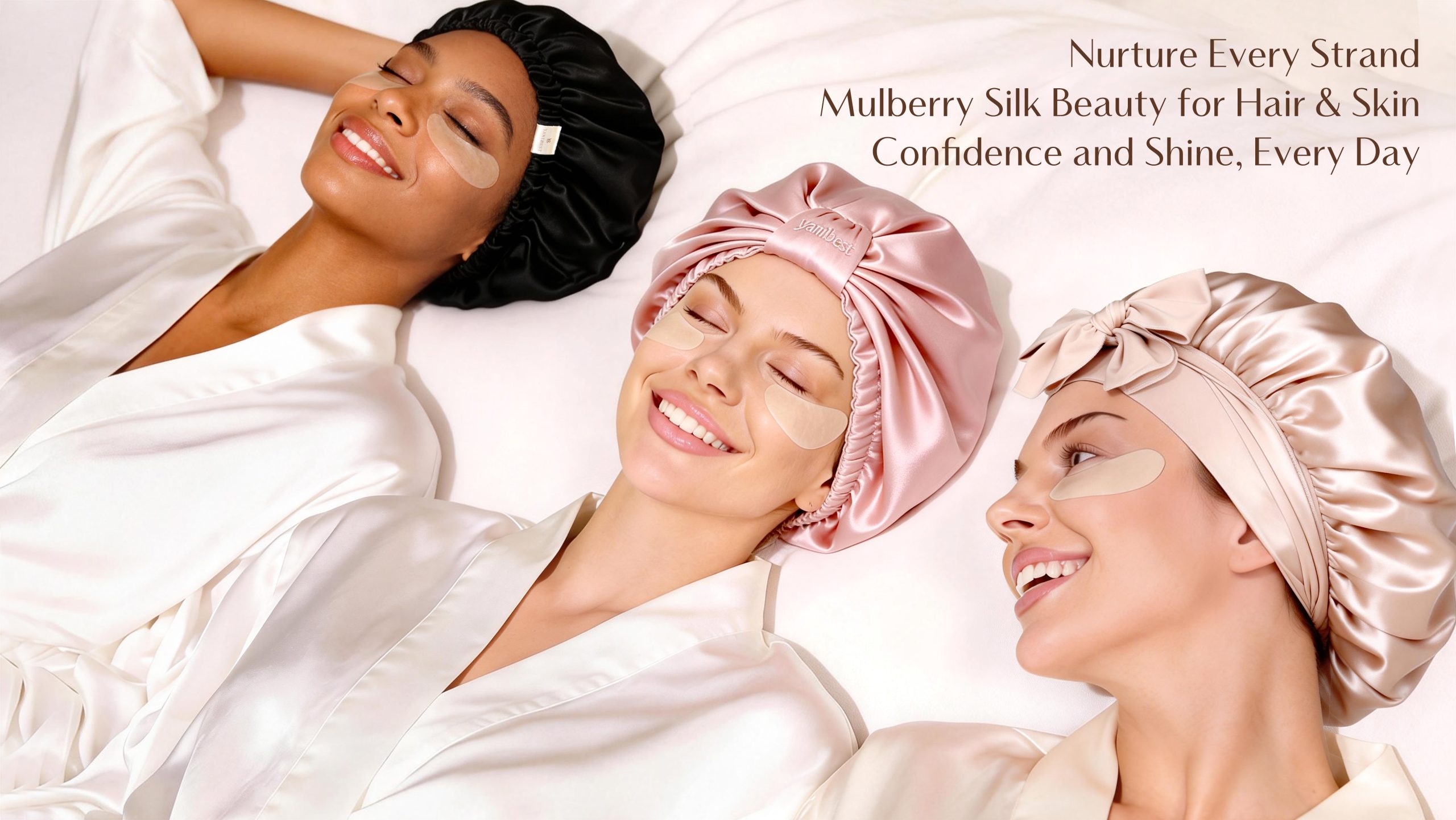
Ponytails, buns and loose styles all share one issue: ordinary elastics rub, catch and crease hair until it breaks. For people who sleep in styles or work long shifts, damaged lengths and faded color are constant headaches; many salons in Amsterdam recommend switching to a silk bonnet overnight because it reduces friction. I approach this from a problem-driven angle: identify the specific damage, then match the right silk solution so styles stop costing you length and shine.

What silk scrunchies actually fix
Silk cuts surface friction. That’s the technical point that matters: less friction means fewer snags, reduced creasing and lower tensile stress at the hair shaft. For daily tying they protect fine and brittle hair as well as thicker textures. From hands-on testing in salons and routine at-home trials, silk scrunchies reduce breakage at the tie point and make released ponytails lie smoother without the deep kink left by a rough elastic.
How to choose the right silk scrunchie
Prioritize mulberry silk where possible, look for a 22–25 momme weight for durability, and check seam placement so the fabric covers the elastic fully. Size matters: a small scrunchie holds fine hair securely without over-tension; larger, thicker scrunchies distribute pressure across more fabric for thick or curly hair. Avoid tight knots; a loosened loop keeps tension low. Wash by hand or in a mesh bag on a gentle cycle, then air-dry to preserve the silk finish.
Common mistakes that undo benefits
Tight wrapping, tying wet hair, and mixing silk with rough elastics negate silk’s advantage. Don’t use silk scrunchies as a clamp—wrap once or twice and let the band rest. Repeatedly sleeping with wet hair increases breakage regardless of fabric. Low-quality “satin” often looks similar but lacks long-term slip and breathability; that’s a frequent source of disappointment.
Quick alternatives and when they make sense
Satin scrunchies are cheaper and softer than cotton but generally wear faster than real silk. Coil elastics avoid dents but can still stress the shaft on release. Cotton ties wick moisture and suit heavy sweat situations but increase friction compared with silk. Choose based on the worst problem you face: if creasing is your issue, silk is the clear solution; if moisture control matters most, consider cotton for specific activities.
Conclusion that ties the problem to a simple solution
Fix the specific harm—friction, tension, or moisture—rather than swapping accessories at random. Use a silk scrunchie sized to your hair, avoid tight knots and wet tying, and you’ll keep more length and shine with everyday styles. Practical, tested options that meet those standards are available through yanibest, which makes consistent protection part of routine styling rather than an extra step.