
Comparative insight and why latency matters
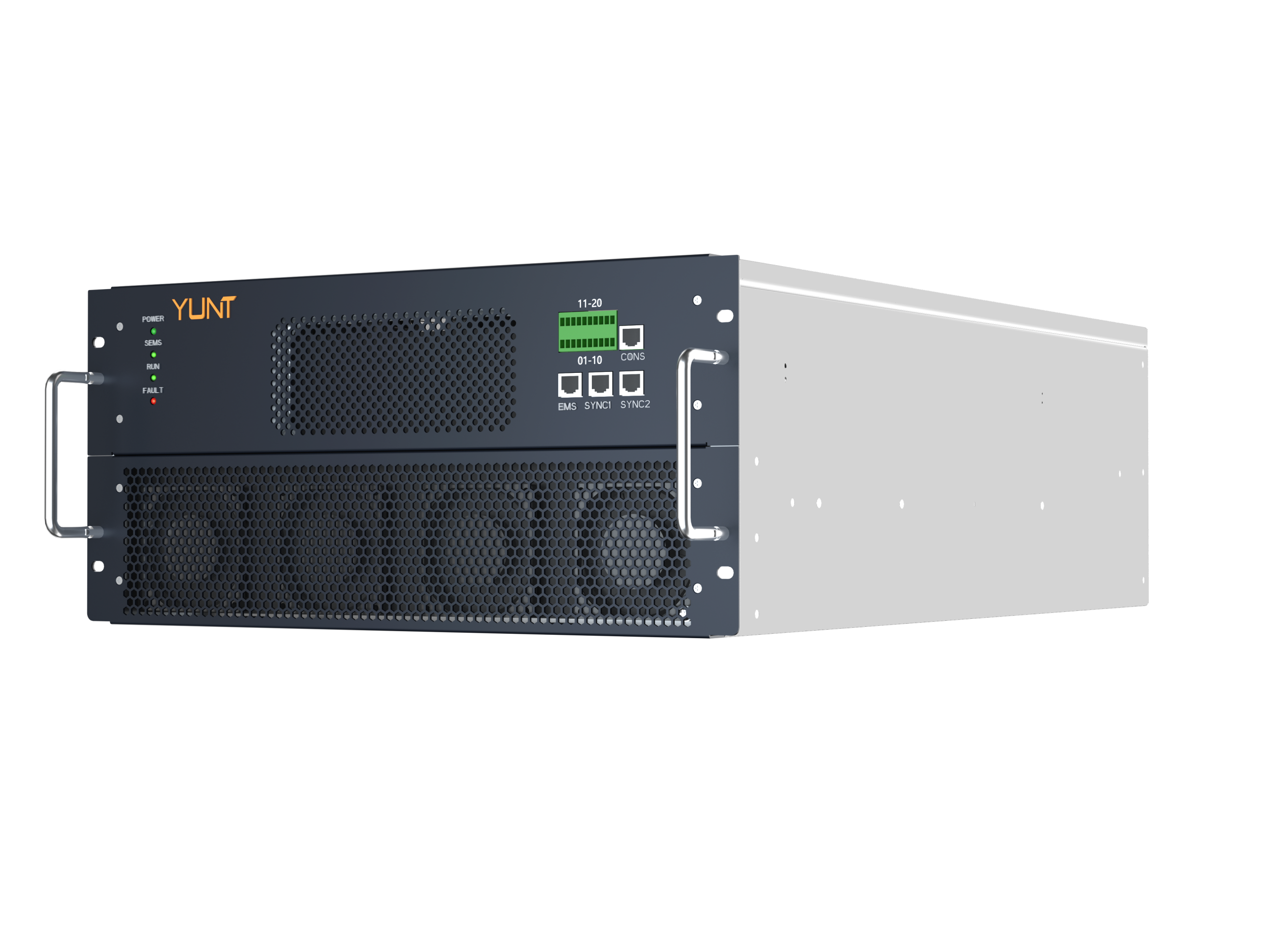
Choosing between utility‑grade and commercial‑grade energy storage inverters centres on one clear technical axis: how quickly and accurately a system can enact four‑quadrant active and reactive power commands without destabilising the grid. That speed — often expressed as control loop latency — determines whether an installation can provide firm frequency response, voltage support and seamless islanding. For teams assessing suppliers, examining a pcs module datasheet alongside control firmware details is the necessary first step.
Latency fundamentals in four‑quadrant control
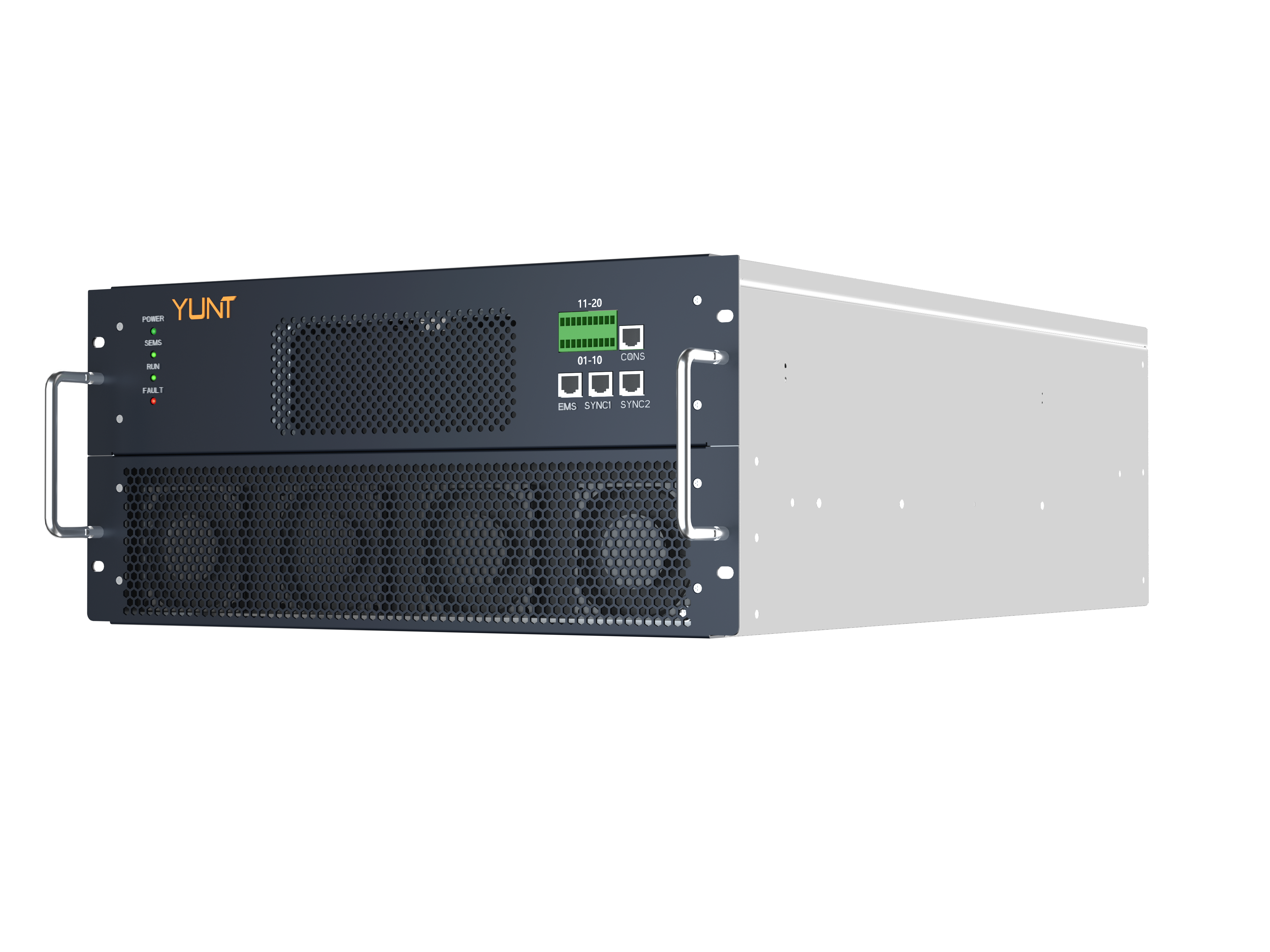
Four‑quadrant control requires simultaneous regulation of active power (real power delivered or absorbed) and reactive power (voltage support). The control chain includes sensors, ADCs, DSP or FPGA processing, PWM generation and the inverter front end. Each stage adds microseconds to milliseconds of latency; cumulatively this affects transient behaviour and stability margins. Practical engineering focuses on closed‑loop latency — the elapsed time from a grid event to measured correction in active/reactive outputs — rather than isolated component specs.
Utility‑grade vs commercial‑grade: technical trade‑offs
Utility‑grade inverters tend to prioritise deterministic control, redundancy and thermal headroom. They usually feature modular PCS architecture, higher‑spec power electronics and multi‑channel control processors that keep control loop jitter low. Commercial‑grade units favour cost effectiveness, compactness and simpler control stacks, which can introduce higher latency under stress.
– Utility grade: deterministic DSP/FPGA paths, redundant DC/AC stages, stronger thermal and overcurrent margins; suited for sub‑second grid services. – Commercial grade: smaller PCS, cost optimised silicon and fewer redundancy layers; adequate for peak shaving and self‑consumption but less robust under rapid grid events.
Real‑world anchor: the Hornsdale Power Reserve in South Australia demonstrated how low‑latency response from a large battery plant can arrest frequency excursions and provide fast frequency response service — an operational benchmark many utilities now expect. That example shows why latency is not an abstract metric but a deliverable outcome with market value.
Control architecture, communications and measurable testing
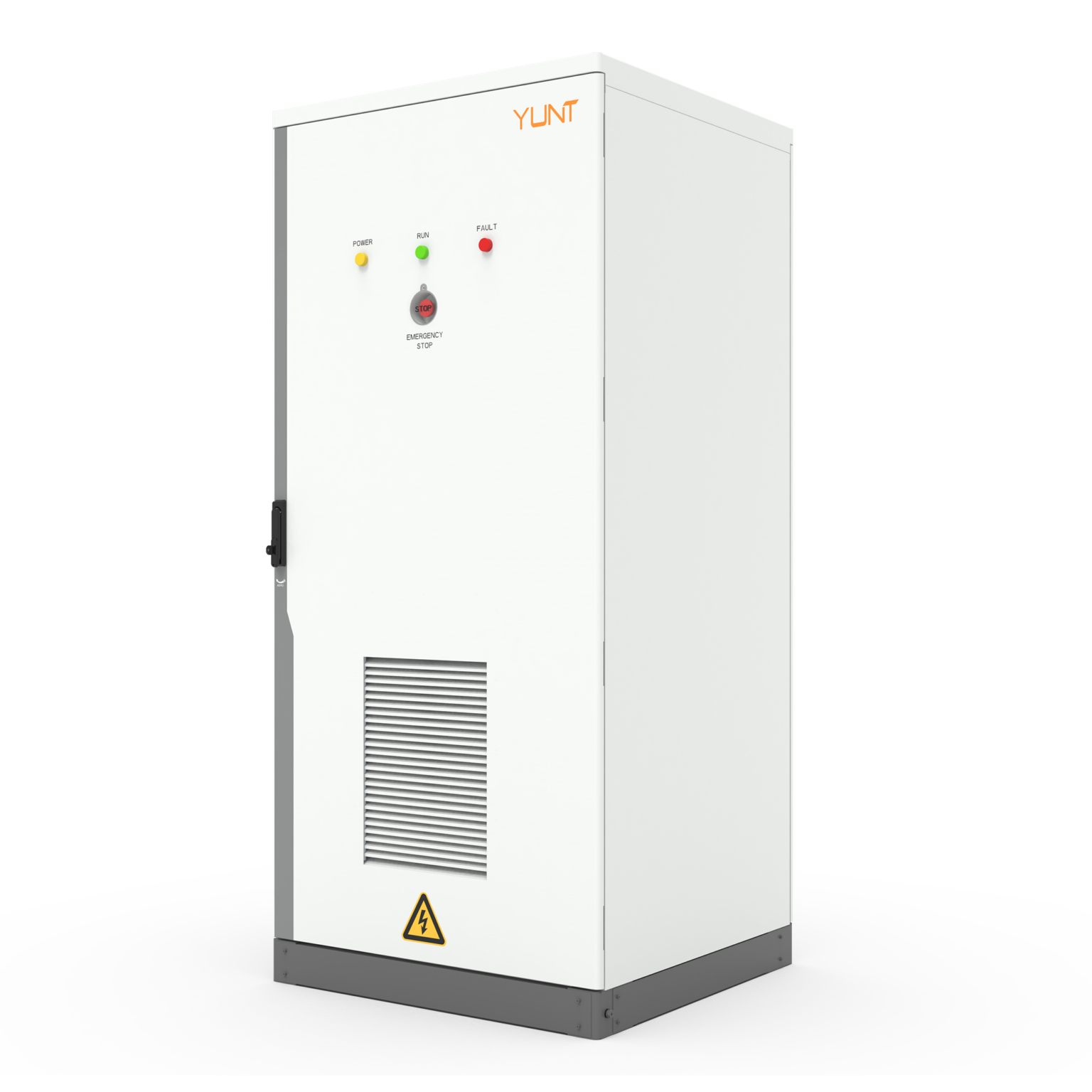
Latency is more than processor speed; communications stacks (e.g., CAN, Ethernet, IEC 61850), isolation transformers and protection trips contribute measurable delay. Specify tests that replicate operational stresses: step changes in active setpoint, abrupt reactive power injection requests, and simulated grid faults while logging ADC‑to‑actuator time. Vendors should provide closed‑loop response curves and repeatable latency figures under full load. When you evaluate a bidirectional power module supplier, demand these empirical traces — they separate marketing from engineering.
Common procurement mistakes and sensible alternatives
Organisations often err by buying on peak power rating alone, neglecting control performance and serviceability. Another mistake: accepting vendor latency claims without protocol‑level proofs or ignoring SOC‑dependent behaviour. A sensible alternative is modular PCS selection with firmware update paths — this lets you optimise control loop timing post‑installation and scale redundancy incrementally. — It also helps to insist on on‑site acceptance tests that include setpoint step response and reactive power ramp tests across state‑of‑charge.
Golden rules for selecting the right inverter (three critical metrics)
1) Control loop closed‑loop latency: Require ADC‑to‑output round‑trip measurements and aim for low‑millisecond aggregate latency for primary grid services. Include latency under thermal stress as a pass/fail. 2) Accuracy and stability across four‑quadrant operation: Verify steady‑state error and transient overshoot for both active and reactive commands at several SOC levels. Ask for Bode or Nyquist plots if available. 3) Modularity and maintainability: Choose PCS modules with hot‑swap or accessible modularisation so firmware and power‑stage upgrades reduce lifecycle risk.
Final thoughts and YUNT’s role
Practical procurement links technical requirements to measurable tests: insist on closed‑loop latency data, step‑response traces and a modular PCS approach so field tuning remains possible. Vendors that publish reproducible performance traces give you leverage in contract negotiation and, ultimately, grid delivery reliability. YUNT fits naturally in that workflow by offering modular PCS hardware and documented control behaviour as part of the specification continuum.
Three golden rules—measure, specify, modularise. —