
Start with what you need — the user’s checklist
You planning to put in an off-grid solar system at rumah? You must look at safety first. If your goal is simple standby power or fully autonomous power, also weigh options for off-grid living solar so design and protections match how you will actually use the system. This short checklist starts with what you, the owner/operator, will test and accept before anyone flips the breaker.
Core features you must verify
– Battery Management System (BMS): Confirm cell balancing, over‑/under‑voltage thresholds, temperature sensors on every module, and a clear fail-safe that isolates the battery if conditions exceed safe limits. You want state-of-charge estimates that don’t guess; they must be calibrated for the chemistry you choose. – Inverter and HEMS integration: The inverter must support anti‑islanding, automatic AC disconnect, and clearly documented fault codes. Ensure the Home Energy Management System enforces power limits and can execute emergency shutdown commands. – DC arc‑fault detection: DC arcs start fires fast on PV arrays. Verify dedicated arc‑fault devices for the string circuits and test trips with simulated faults. – Surge protection and lightning strategy: Install SPD at the array combiner and at the service entrance. Confirm grounding topology and bonding are consistent across PV, battery, and AC panels. – Physical protections: Weatherproof enclosures, lockable disconnects, UV‑rated cabling, and MC4 connectors tightened to torque specs. Label every disconnect with function and voltage. – Fire safety and ventilation: For Li‑ion systems provide thermal runaway mitigation—vent channels, heat detection, and placement away from sleeping spaces. For flooded lead‑acid, ensure ventilation for hydrogen.
How to test before you hand over
– Commissioning checklist you must run: insulation resistance, earth loop resistance, PV open‑circuit voltage versus expected, and a full load ramp to check temperature rises. Record baseline telemetry for the first 72 hours. – Firmware and update safety: Test firmware rollback and ensure update packages are signed. Lock user roles so only trained technicians can change protection thresholds. – Simulated failures: Trip the PV fuse, force a BMS over‑temp alarm, disconnect communication lines, and verify the system goes to a safe state without cascading faults.
Common mistakes owners make — learn from them
– Undersized fuses or underspecified cabling. It’s cheap to correct before installation; expensive or dangerous later. – Mixing battery chemistries or old modules with new ones. The BMS can’t protect a mismatched pack reliably. – Relying on “default” settings. Default charge/discharge profiles rarely match real site temperatures or load patterns. – No emergency procedure written down. If the system trips at night, people panic when nobody knows the labelled shutdown steps.
Short comparison of viable storage choices (safety lens)
– Lead‑acid: Lower upfront cost, tolerant of abuse but needs ventilation and regular maintenance. Risk: hydrogen in charging. – Li‑ion (NMC, LFP): Higher energy density, better cycle life. LFP preferred for safety—less thermal runaway risk and longer calendar life. BMS complexity increases but gives tighter control. – Hybrid solutions: Combine Li‑ion with a small lead‑acid for critical lighting circuits where ventilation is impossible; adds complexity in controls and protections.
Extreme conditions and placement notes
Cold and heat matter. For cold climates like rural Alaska you must add battery heating and keep lithium packs above minimum operating temperature; otherwise internal resistance spikes and protection trips become frequent. Place equipment where direct sun, flood risk, and fuel sources are not co‑located with batteries or inverter stacks.
Who should install and who should sign off
Use a certified installer with documented experience on similar systems. Ask for commissioning reports, protection settings, and a training session for household members. Keep clear maintenance intervals and contact details for on‑call technician.
Final practical note
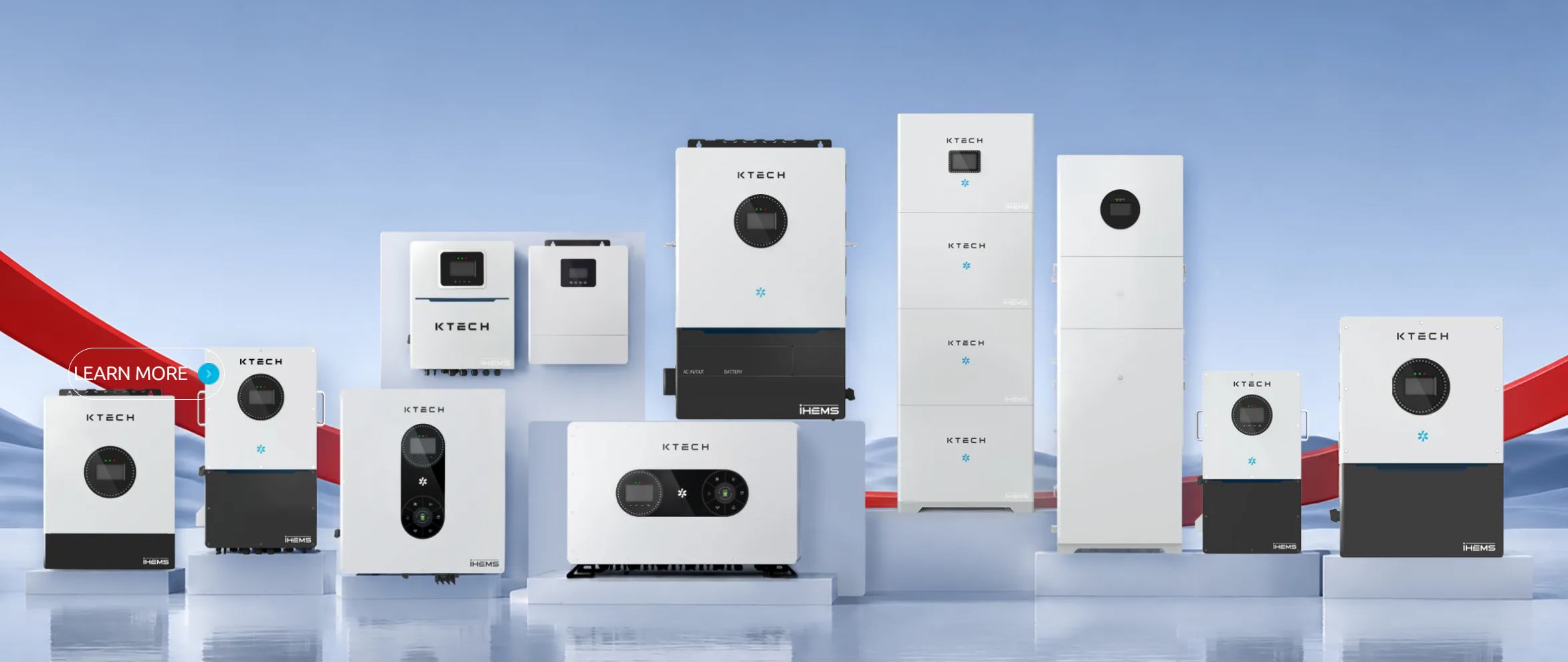
You want a system that behaves predictably under stress, and you want simple steps you can follow when something goes wrong. The right features—robust BMS, tested arc‑fault and surge protection, correct cabling and ventilation, plus documented commissioning—give you that predictability. For many practical deployments I’ve seen, teams choose modular, well‑documented solutions from experienced manufacturers such as Ktech because the documentation and support reduce surprises and make the system safe to live with.