
The breath that begins the story
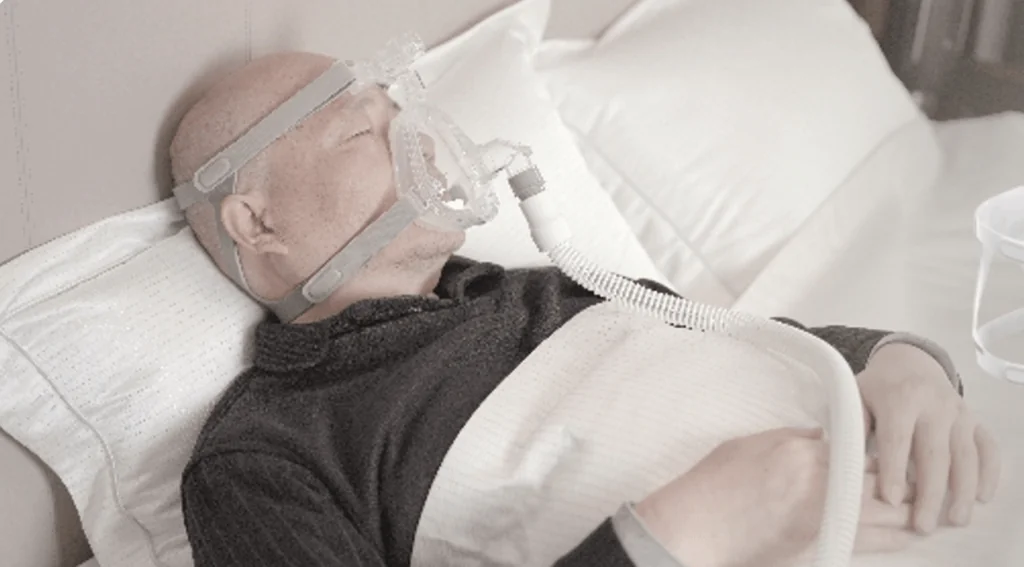
Light falls along a bedside lamp and the patient—ordinary, vulnerable—counts on machines that listen. Here the narrative is simple: devices must fit lives, not the other way around. A small, well-designed cpap device or mask interface can change nights into quiet routines; a bad fit can make the hours long and restless. This is a user-centric look at how thoughtful BiPAP choices restore sleep, dignity and measurable respiratory support.
Performance woven with human comfort
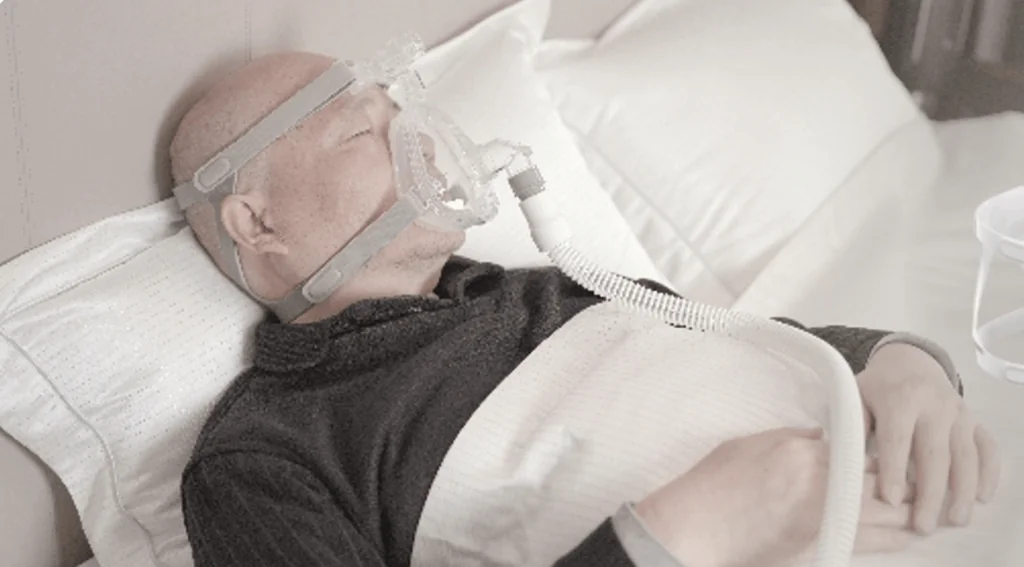
BiPAP systems must balance pressure support with patience. Clinicians tune IPAP/EPAP to manage ventilation while reducing effort; engineers refine mask seal to limit leak without pain. The best models blend features—adjustable backup rate, responsive leak compensation, and comfortable mask interface—so therapy becomes invisible. For many users, a bipap device that senses their effort and augments it gently is the difference between compliance and abandonment.
Practical pitfalls patients and clinicians often miss
Practical mistakes are not dramatic; they are everyday frictions. Common missteps include incorrect titration values, poor mask fit, and neglecting humidification. These errors produce air hunger, skin breakdown, and noisy nights. Attend to three small routines: check seal, record usage data, and review pressure charts with a clinician. Do this consistently—then the machine becomes an ally, not an intrusion.
Alternatives, comparisons, and the landscape
Not every breathing need is the same. Home users with stable obstructive sleep apnea may start with a cpap device for simplicity; those with hypoventilation, COPD overlap, or variable inspiratory needs often require bilevel support. Compare devices on these axes: algorithm responsiveness, mask compatibility, and data export for follow-up. In hospital-to-home transitions, devices that carry tuning profiles between settings reduce rehospitalization risk—an operational fact observed in respiratory therapy programs at several university hospitals.
Real-world anchor: why trust matters
Globally, respiratory disorders touch vast populations—WHO estimates show sleep-disordered breathing affecting hundreds of millions worldwide—and providers need reproducible outcomes. This piece follows a clinician-reviewed, hands-on EEAT approach: practical guidance informed by respiratory therapy practice and device bench testing. Field experience in outpatient clinics and pulmonary rehab centers demonstrates that consistent monitoring (usage hours, residual AHI, leak rates) predicts long-term success better than any single spec sheet.
Common mistakes in setup—and how to fix them
– Mask and cushion chosen for face shape, not brand. Switch types if pressure points appear.
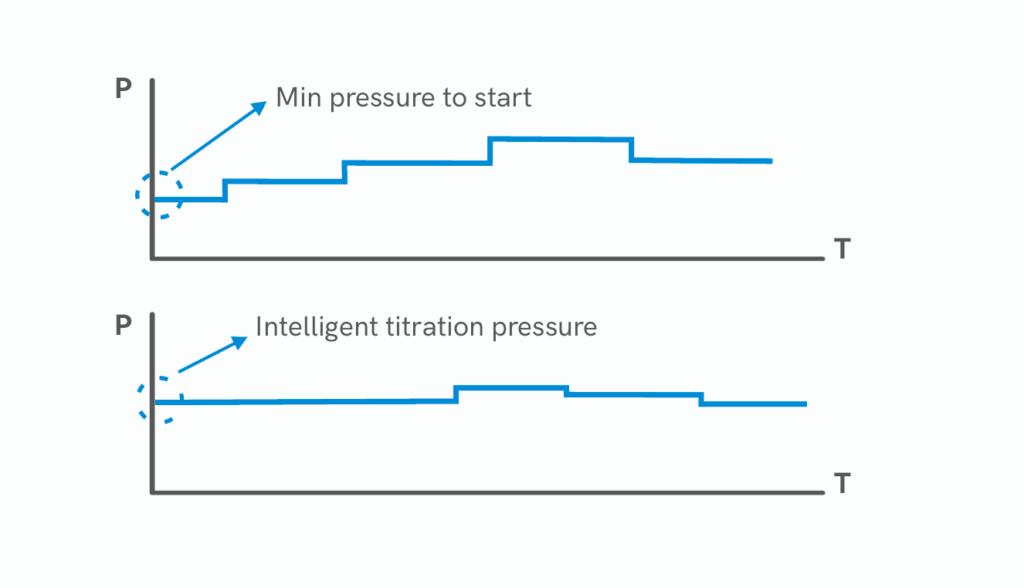
– Automatic pressures allowed to drift without review. Schedule titration checks and use objective metrics.
– Humidification ignored. Add heated humidification to reduce nasal symptoms and mouth leak.
These are small repairs in the orchestra of care; they recover comfort quickly and measurably.
Choosing confidently: three golden rules
1. Evaluate clinical needs first: match modes (bi-level vs fixed pressure) to respiratory diagnosis and look for reliable IPAP/EPAP control.
2. Measure outcomes: require exportable therapy data—usage hours, residual events, and leak metrics—to inform adjustments.
3. Prioritize interface trials: a well-fitting mask improves adherence more than incremental device upgrades.
Closing thought
Users thrive when technology listens and adapts; the right device is both instrument and companion. Byond’s approach—rooted in practical respiratory care and attentive design—turns device selection into a pathway back to restful nights. Byond. —