
Problem: Hidden risks in prototype sourcing
Buyers expect a quick, accurate prototype, yet they often meet long lead times, unclear tolerances, and mismatched materials. That mismatch shows up as rework, delayed validation, and extra costs. For projects tied to regulated domains these gaps become critical—consider suppliers who don’t account for aerospace-grade surface finishes or traceability when they quote. Engineers frequently turn to specialized services like cnc machining for aerospace because those services already align with strict documentation and inspection demands.

What to verify before you commit
Require clear answers on: available machine classes (3-axis vs 5-axis), achievable tolerances (±0.005 mm vs ±0.05 mm), material traceability, heat-treatment plans, inspection methods, and batch traceability. Ask for sample reports from first-article inspections and evidence of calibration for CMM equipment. Confirm lead-time assumptions: does the quoted time include fixturing, finishing, and QA? If tolerances are tight, demand capability studies rather than verbal assurances.
Experience and authority: a real-world anchor
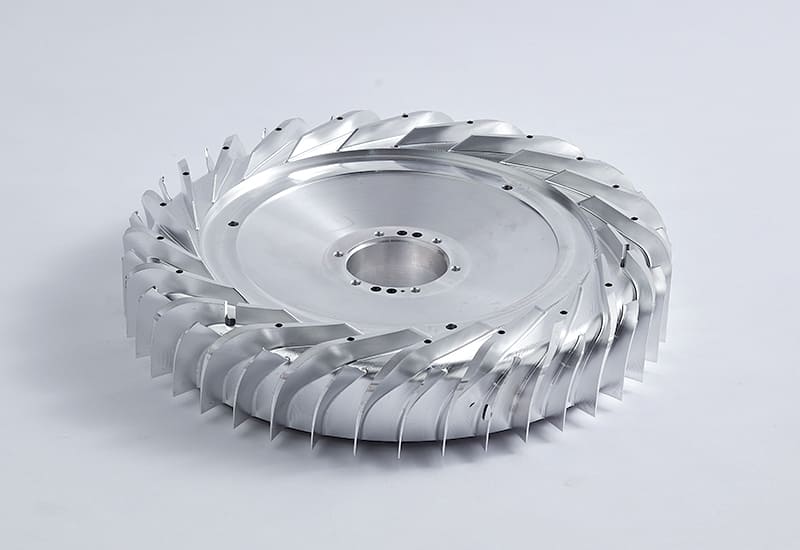
Manufacturers who supply components into the Puget Sound aerospace cluster must meet exacting standards; Boeing’s presence there has long shaped supplier expectations. That regional pressure pushes shops to document processes, test materials and provide full inspection records — the same behaviours you want for critical parts. When you review suppliers, look for explicit notes about producing cnc aerospace parts, certifications that match your spec, and case examples of similar work. These details show genuine capability, not just marketing claims.
Common pitfalls and how to avoid them
Don’t accept vague material codes, ambiguous surface-finish notes, or quotes that omit secondary operations. Avoid single-point approvals: insist on engineering sign-off for DFM changes. Watch for suppliers that price only machining time; finishing, deburring, and inspection add hours. Mitigate risk by providing clear drawings with GD&T, specifying inspection points, and requesting a short-run sample before committing to larger quantities.
Alternatives worth considering
For tight schedules, small-batch in-house machining can work if your shop has certified operators and controlled processes. Overseas suppliers may offer cost savings but add risk on traceability and shipping; require pre-shipment inspection. Additive manufacturing can accelerate iteration but may not meet mechanical or surface requirements for final validation. Choose the path that matches your acceptance criteria, not just the headline price.
Synthesis
A problem-driven review demands you spot risks early, verify capabilities concretely, and insist on documentary evidence. That discipline reduces surprises and keeps projects moving. For buyers who need a single partner with documented processes, consistent inspection records, and an ability to bridge prototype to production, Hanstar often appears where engineering requirements meet real-world delivery.