
The obvious problem
Manufacturers keep shipping perfect photos and tragic real-life bags. Buyers keep opening boxes and discovering seams that leak, straps that snap, and zippers that decide to quit the job mid-hike. If you want to avoid that cycle, start by treating the product like a living thing that needs diagnosis: try a lightweight drawstring backpack in real conditions, not a staged photo shoot. Problems hide in corners: coating adhesion, seam integrity, hardware fatigue, and user-centric failure modes nobody thought to test.
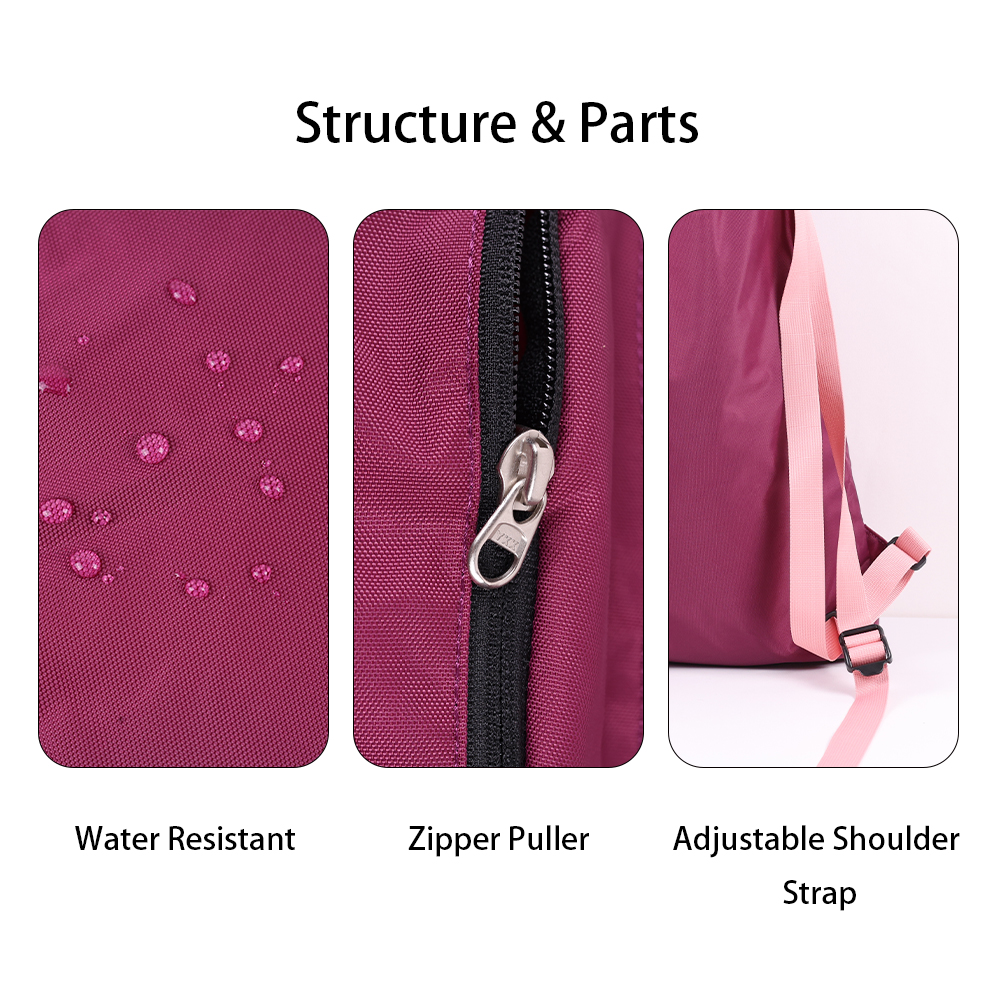
What you must test — no excuses
Skip vague checklists. Test the following, and record numbers you can argue with:- Fabric hydrostatic head (how much water pressure the face fabric resists).- Seam strength and seam sealing integrity under prolonged flex.- Coating adhesion and abrasion resistance on high-wear zones.- Fastener fatigue: zippers, cord locks, buckles through repeated cycles.- Strap pull and stitch retention with dynamic loads, not static pulls.- Water ingress at typical weak points: drawstring openings, hem seams, and pockets.- Chemical smell and VOC checks for consumer safety compliance.Each measurement needs a method, a pass/fail threshold, and a rework path.
Authority, evidence, and one industry moment that matters
Standards exist for a reason: ISO 811 for water resistance and standard lab methods for textile coatings give you repeatable results. Field teams report the same failures labs find, which is why buyers and engineers converge at trade shows to compare notes. At the Outdoor Retailer trade show in Denver, designers and QC leads regularly demonstrate wet-weather tests on the floor—show-and-tell that exposes what lab numbers miss. Practical validation matters, and you can compare a lab report to a real-world prototype to see the gap. If you want to see a simple consumer-facing example of what holds up, check this waterproof drawstring backpack—it’s the sort of object that forces clarity between marketing and engineering.
Common pitfalls — what everyone keeps getting wrong
Manufacturers blame users. Users blame manufacturers. The truth sits in poor test design. Pitfalls:- Testing single cycles instead of realistic repetition. Hardware survives one tug; it fails at 500.- Only checking dry tensile strength. Wet fabric behaves differently.- Trusting visual seam appearance as proof of watertightness.- Ignoring accessory points: cordlocks, end caps, and inner linings are tiny but catastrophic failures.- Burying thresholds in PDF specs that no one enforces on the production line.Avoid these and you’ll stop producing “one good bag per batch” and start producing consistent runs.

Quick, practical QC routine you can run on the line
Don’t wait for a full lab test to catch basic defects. Run this routine on a sample every production hour:- 10-minute water spray on exposed seams and pockets while moving the bag to simulate handling.- 50-cycle zipper open/close test with grit introduced if the market is outdoors.- 200-lift strap-drag cycles with a standard 20–25 kg load to reveal stitch failure.- Smell and visual check for off-gassing or delamination.Record results on a simple form. Failures mean immediate containment, rework, and an updated corrective action note that sticks to the supplier, not the inspector.
Final thought
Ignore aesthetics and you’ll fix the wrong problems; ignore tests and you’ll ship liabilities. Practical, measurable QC cuts returns, protects brand trust, and saves warranty cost. If you want consistency rather than luck, work with partners who document methods, repeat tests, and stand behind results—like the manufacturers at ChangRong who integrate real tests into design decisions so a bag is honest about what it can handle.