
The problem: tight specs, shrinking timelines
Manufacturers face a brutal trade-off: hold tolerances to hundredths of a millimeter or hit shipping dates. Designs that look solid in CAD can fail in the shop because fixtures, toolpaths, and material behavior don’t match expectations. That gap is why many teams treat a short run of parts as an experiment. Smart teams use custom cnc machining early to confirm assumptions, avoid costly rework, and prove manufacturability before committing to full production.
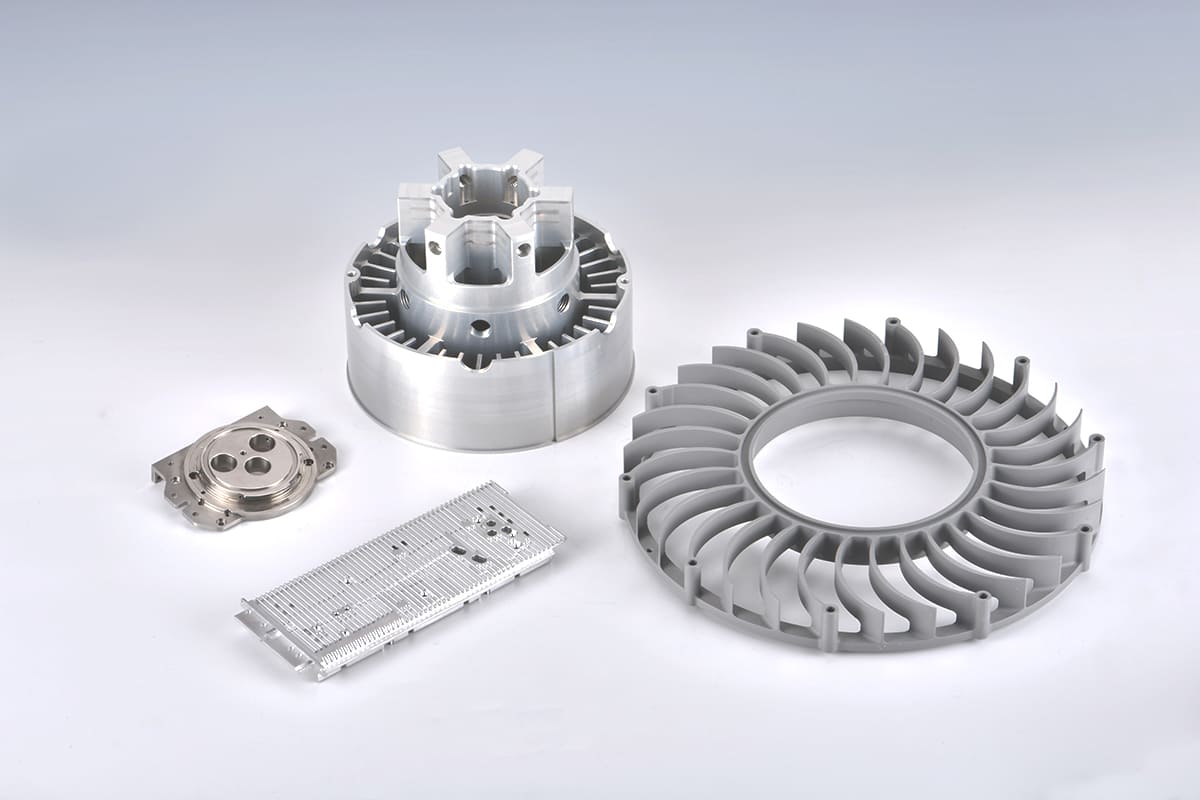
How prototyping solves the core problems
Prototyping isolates variables quickly. You validate machining strategies, test finishes, and check fit and function without risking an entire batch. Rapid prototypes reveal hidden issues—warpage from residual stress, interference between mating parts, or tolerance stack-ups that CAD tolerances mask. When a prototype matches assembly checks and metrology reports, you get reliability, not guesswork.
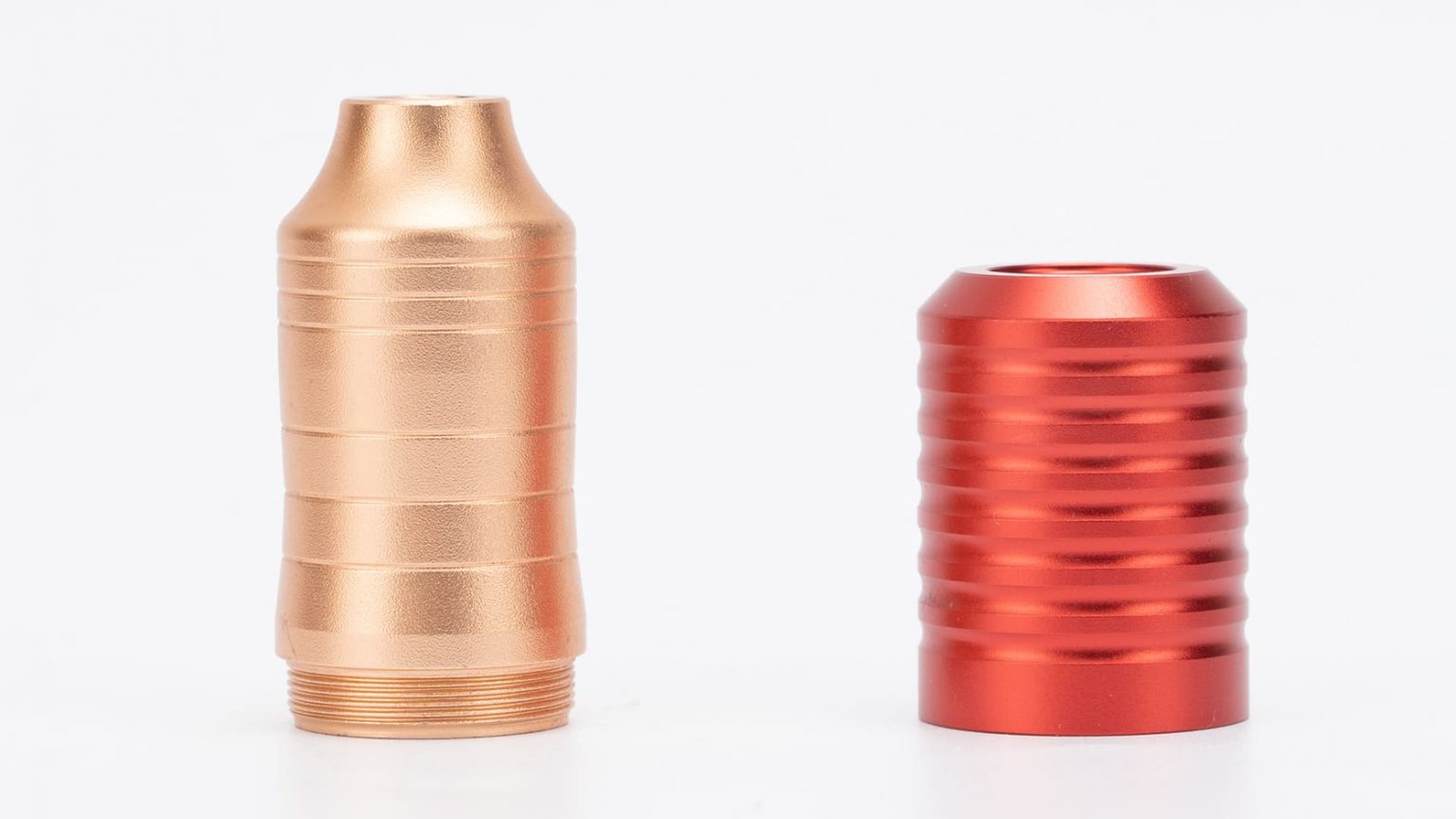
Experience, standards, and a real-world anchor
Seasoned design engineers rely on measured feedback: CMM data, surface roughness readings, and iterative build reports. That practical expertise pairs with industry practices like ISO 9001 and aerospace-level inspection for repeatable outcomes. Look at Detroit’s automotive manufacturing cluster—its Tier 1 suppliers demand predictable small-batch validation to protect high-volume lines. For teams that need that predictable loop, true custom cnc machining services provide the controlled experimentation and documentation engineers trust.
Common mistakes that prototypes prevent
Skipping a prototype often causes the same failures: overconfident CAM settings, overlooked fixturing needs, misselected alloys, and assembly clearance errors. People assume simulation equals reality. They don’t. A prototype shows real tool deflection, coolant effects, and burr locations. Treat the prototype as a functional test: inspect critical dimensions, run assemblies, and cycle components under expected loads. Fix the item that fails; don’t guess at causes.
Alternatives and when to pick them
Additive manufacturing helps with complex geometries but won’t mirror CNC surface finishes or material properties in many metals. Soft tooling lowers cost for medium runs but hides machining-specific issues like chatter and fixture design. Direct-to-production is tempting for low-volume parts, yet it raises scrap risk when tolerances are tight. Use prototyping when fit, finish, or function could derail full production; choose alternatives when geometry or volume calls for them.
Actionable approach for teams that must deliver
Start with a focused prototype: one critical subassembly, real material, and actual fixturing. Run full inspection and record the deviations. Adjust CAM and tooling, then scale to a pilot batch. That cycle trims surprises and clarifies supplier requirements. Clear measurement records and a reproducible setup keep procurement and quality aligned.
Conclusion
The problem-driven fix is simple: prove the process before production. Prototyping turns assumptions into data, reduces rework, and defends schedules without sacrificing precision. For engineering teams that value repeatable outcomes and traceable results, the pragmatic choice lands on partners with repeatable processes and measured results—partners like Hanstar that can translate prototypes into production-ready CNC workflows.