
Clear lens for a complex choice
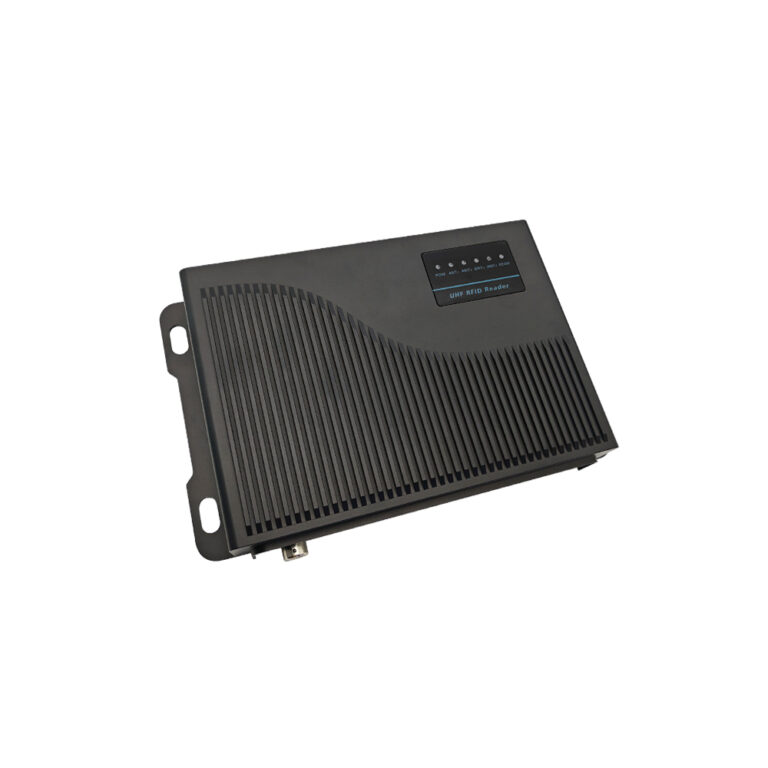
Deciding on long-range active RFID tags is a comparison exercise: you weigh range, battery life, environment and total cost. Start by checking how the tags behave with your chosen readers — look at the technical sheet, then test with actual hardware like the RFID Readers you intend to deploy. Compare real-world behaviour, not just quoted metres, and let that comparison drive the shortlist.

Side-by-side: active tags versus other options
Active tags give reliable reads at long distance and through clutter, but they add battery upkeep and unit cost. Passive UHF tags are cheaper and near-zero maintenance, yet they rarely match true long-range consistency. For deployments needing continuous position updates or vehicle tracking across yards, active tags win. For low-cost bulk tagging, passive remains sensible. Lay out your priorities first — read consistency, lifetime, and unit price — then use them as the axes for every vendor comparison.
Practical spec checklist to compare vendors
Focus on these concrete comparators: advertised read range under stated conditions (50–300 m typical for long-range actives), transmit interval and latency, battery type and replacement cycle, operating temperature, ingress rating (IP65+ for outdoor), tag antenna pattern, and firmware support for managed updates. Ask each supplier for test logs from a site similar to yours. If they can’t provide field numbers or refuse on-site testing, treat that as a red flag.
Which tag profiles suit which use-cases
Match tag profile to task. For high-value mobile assets choose industrial active tags with replaceable batteries and wide temperature range. For vehicle or container tracking, pick tags with omnidirectional antennas and long transmit intervals to preserve battery. For personnel or localised alerts select small, wearable actives with short bursts. Keep the comparison tight: don’t equate a lab read-range number with guaranteed yard coverage.
Common mistakes buyers make
Buyers often assume the maximum stated read range applies everywhere; it doesn’t. They ignore antenna placement and mounting surfaces, choose wrong transmit intervals that drain batteries, and forget regional regulation on frequencies. Another frequent error is skipping a site acceptance test — that single test will show whether a chosen tag behaves in your environment. Plan for battery logistics before you order thousands of tags.
Experience, proof and a real-world anchor
I’ve overseen acceptance tests where laboratory specifications diverged sharply from yard performance; field trials fixed the mismatches. A strong example is work done around Port of Rotterdam, where container operations use RFID systems and published reports show the gap between lab claims and dock reality. For comparable passive systems you’ll want to review on-site results for passive rfid readers as part of vendor validation. Those tests, plus measured battery replacement rates and firmware-update records, form the evidence you need to choose confidently.
Wrap-up and pragmatic next step
Balance range, maintenance and cost; insist on site trials that replicate your busiest hour; and shortlist vendors who share measured field logs and provide local test support. When your comparison narrows to a few solid options, partner with a supplier able to run the field validation and handle aftercare — many teams find a regional technical partner such as RSTC simplifies procurement and keeps the chosen solution reliable over time.