
Why this problem matters right now
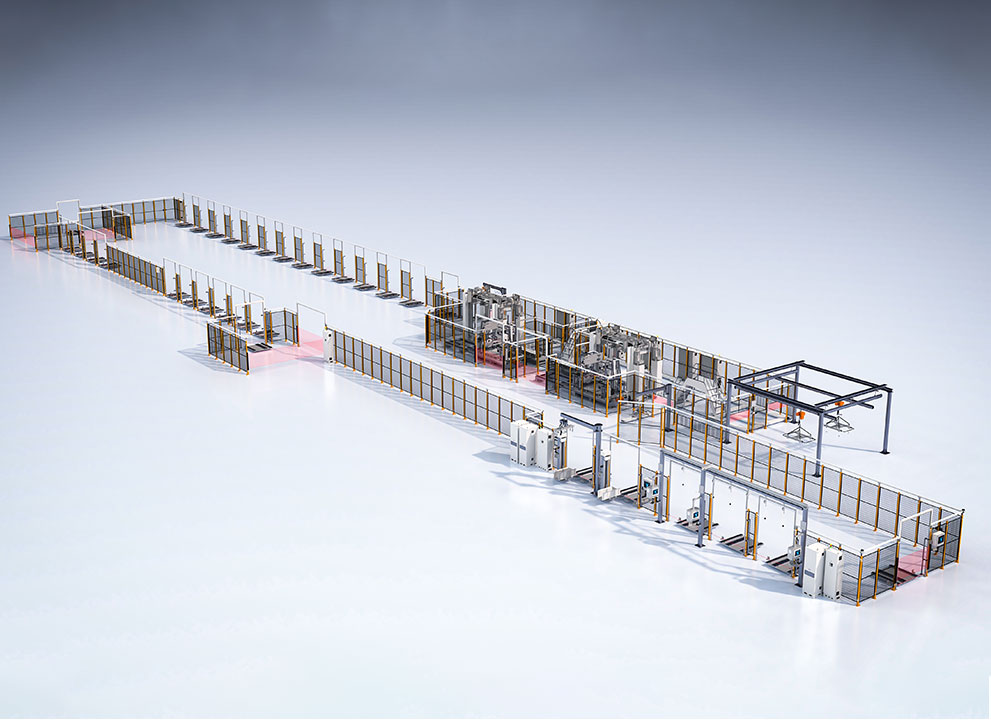
Automakers need batteries that are consistent, safe, and produced fast enough to meet demand; any variance on the line becomes a warranty claim or a plant shutdown. That pressure is precisely why battery manufacturing automation matters — it reduces manual variation and stitches testing into production without slowing the flow. I’ve followed lines in Shenzhen and talked to engineers who say automation is the single biggest lever for quality control. Early investment fixes repeatable issues; late investment adds complexity and risk. battery manufacturing automation is the practical response to those realities, not a futuristic promise.

Top problems automation is built to solve
Teams end up chasing the same faults across plants:- Inconsistent electrode coating thickness that kills energy density.- Contamination from manual handling that creates safety hazards.- Slow formation and test steps that become production bottlenecks.- Poor traceability when components move between stations.Automation targets these exact failures and makes each one measurable and fixable.
What useful automation actually looks like
Good automation combines hardware, software, and clear process rules. You’ll see:- Precision handling robots for jelly-roll or pouch assembly.- Inline vision and laser gauging for coating and caliper checks.- Automated formation racks with embedded test routines and data capture.- MES integration for lot tracking and automated reject flows.Vendors and system integrators differ, so evaluate solutions by how they handle feedback loops and maintenance plans. Many manufacturers turn to a specialist battery manufacturing equipment company that provides both machines and the PLC/MES templates to start production quicker.

Where automation delivers on the line
Practical applications that change outcomes:- Electrode coating: automated tension control and real-time thickness correction reduce scrap.- Cell assembly: robots and fixtures reduce contamination and speed cycle time.- Formation and aging: controlled charge/discharge profiles run overnight with data logging.- End-of-line testing: automated electrical and thermal checks catch weak cells before packaging.Those are the stations where automation pays for itself within months rather than years.
Benefits that engineering teams actually measure
Expect these measurable gains:- Lower defect rate per million cells produced.- Shorter cycle time on formation and test steps.- Fewer manual touchpoints, which cuts contamination incidents.- Full traceability from raw material batch to finished pack.These are not marketing claims — they’re operational KPIs that plant managers track every shift.
Common missteps and how to avoid them
Teams often make three repeatable mistakes:- Over-automating too early: don’t lock a layout before validating takt time.- Ignoring maintenance access: robots need service space and spares planning.- Poor data ownership: sensors collect noise unless someone defines quality rules.Fixes are straightforward: run a pilot line, design for maintainability, and assign a data curator who converts raw logs into pass/fail rules.
Trade-offs to accept up front
There’s no single “best” path. Dedicated automation gives higher throughput and lower unit cost but reduces flexibility. Modular cells are slower to scale but adapt to new chemistries faster. Choose based on product horizon: short product cycles favor modular; large-volume, stable chemistries favor fixed lines. Decide this before committing capital.
Final take
Solve the real problems first: consistency, contamination, and traceability. Start small, validate, then expand the automation scope where metrics show clear gains. Practical automation ties machines to quality rules and ongoing maintenance plans. That approach is how suppliers and integrators help plants move from firefighting to predictable output, and it’s what successful partners like FHS demonstrate through integrated machines, data flows, and line-level support.