
Opening: a quick look ahead
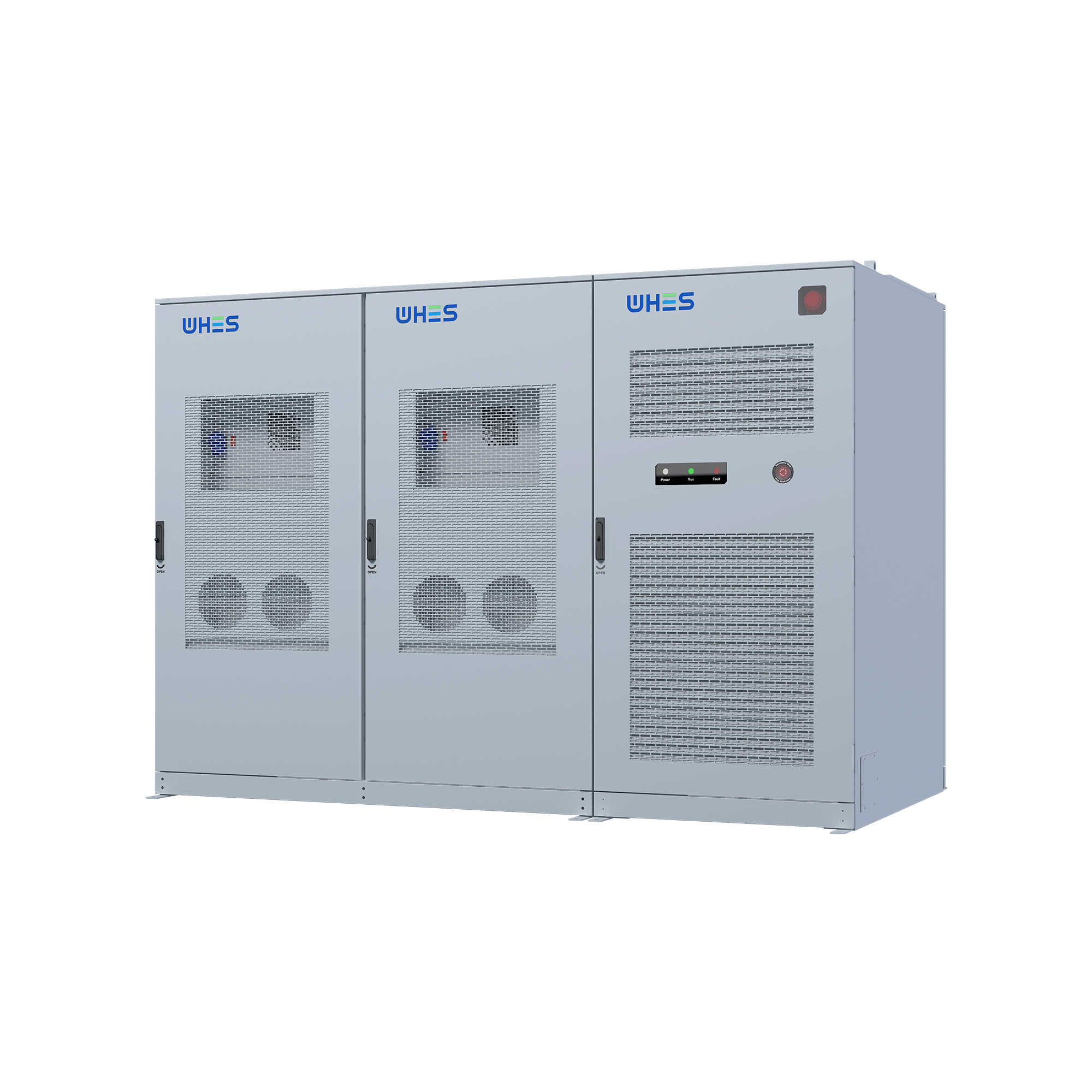
Think about commercial sites that used to go dark during utility outages — now imagine them riding through blackouts and peak-price spikes with minimal fuss. That’s the promise when advanced power electronics meet compact, all‑in‑one systems built around commercial energy storage and integrated controls like commercial solar battery storage systems. In a future where microgrids, demand response, and on-site generation all talk to the same controller, bidirectional inverters and smarter inverter firmware could be the difference between expensive experiments and everyday resilience.
The problem these systems are trying to solve
Businesses face three big pain points: volatile grid reliability, unpredictable energy prices, and the complexity of marrying solar, storage, and backup generation. Wildfire-driven Public Safety Power Shutoffs (PSPS) in California showed how vulnerable commercial operations can be when the grid shuts down for hours or days — and how valuable stable on-site power becomes. The goal is simple: use storage to smooth costs, provide backup power, and deliver grid services like frequency regulation when it’s worth the money.
What modern power electronics actually bring to the table
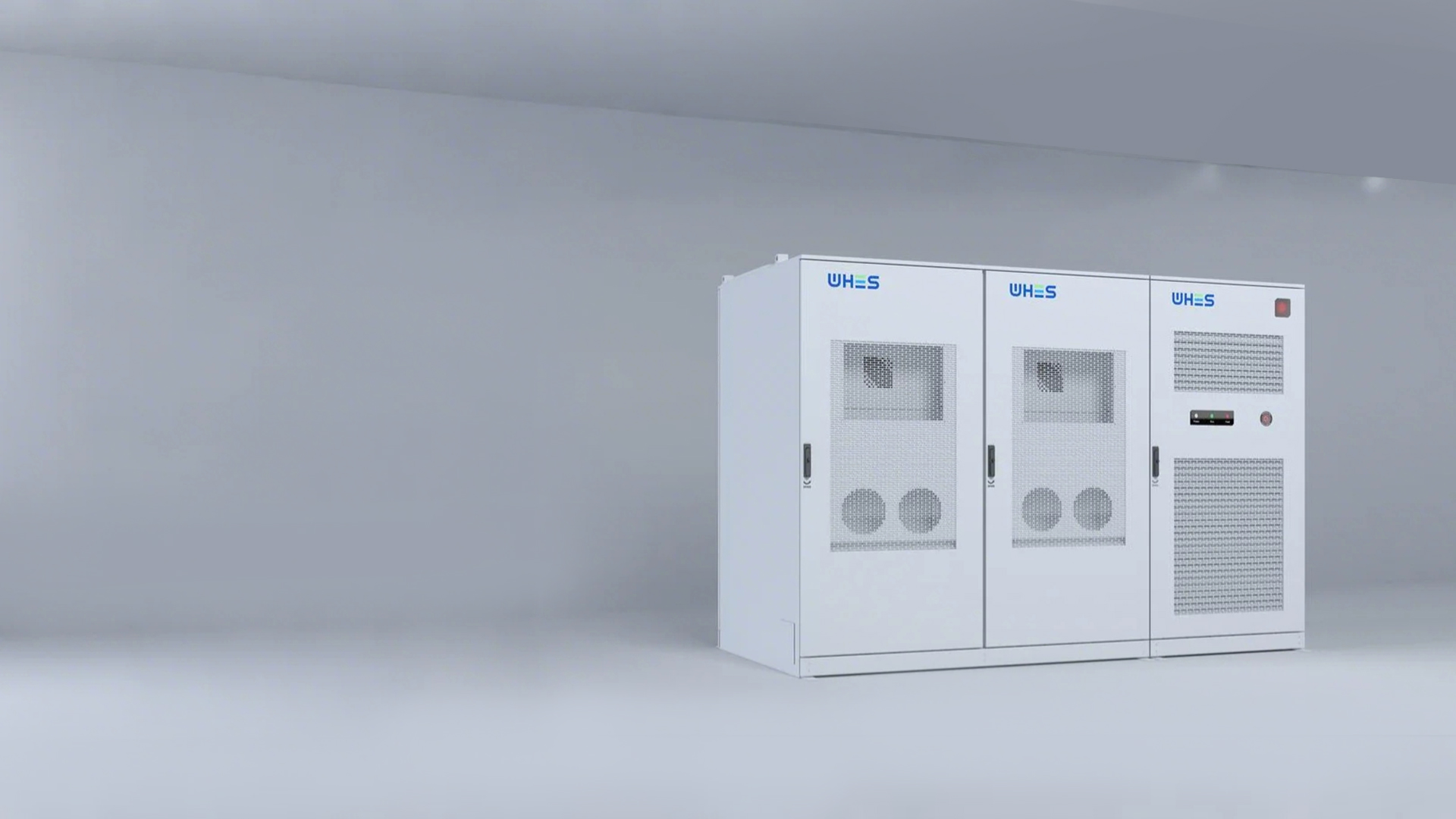
At a hardware level, advanced power electronics make the system smarter and faster. Key features include high-efficiency bidirectional inverter topologies, more granular state-of-charge (SOC) control, and better power factor management. Those things improve round‑trip efficiency and let a system act both as a load and as a source — essential for peak shaving, load shifting, and export-limited sites. Add an energy management system (EMS) and you get scheduling, tariff-aware dispatch, and simple fault handling without constant manual babysitting.
Why bidirectional inverters change the economic equation
Bidirectional inverters let energy flow both ways: charging the battery from PV or grid, and discharging to serve loads or export. That flexibility enables stacked revenue streams — resiliency value, arbitrage on time-of-use rates, and sometimes participation in ancillary markets. From a design perspective, that moves the conversation away from “backup only” to “backup plus ongoing value.” It also opens up DC‑coupled vs AC‑coupled architecture debates and affects how you size PV vs battery to hit a target SOC profile.
Design choices and trade-offs — the human part
No single architecture wins every time. You’ll juggle inverter sizing, battery chemistry, thermal design, and grid interconnection requirements. Do you oversize the inverter for short-duration high-power events, or optimize for sustained discharge? Do you pick a grid‑forming mode to island autonomously, or stick to grid-following for simpler compliance? These choices affect warranty, lifecycle costs, and whether the system can participate in grid services — so think beyond nameplate kilowatts. — Also, remember that firmware and control logic often require updates in the field; that’s where the real performance improvements show up.
Common deployment mistakes to avoid
Deployers often underestimate three things: interoperability tests, commissioning rigor, and operational economics. Interoperability: mismatched communication protocols between PV inverters, the EMS, and the bi‑directional inverter cause headaches. Commissioning: skipping real-world load tests means surprises during the first outage. Economics: optimistic arbitrage assumptions without accounting for round‑trip efficiency and degradation lead to overstated ROI. Mitigate these by insisting on factory-supported commissioning, clearly defined test procedures, and conservative financial modeling that includes replacement costs and inverter derating.
Real-world anchors — how this plays out on the ground
Look at commercial campuses and hospitals in California that paired on-site PV with battery systems during PSPS events: units that used grid-forming inverters and carefully tuned EMS settings kept critical loads alive and reduced diesel generator runtime. That practical proof-of-concept shows how inverter behavior and controls matter more than raw battery capacity when resilience is the goal. It’s not theoretical — it’s a repeatable outcome seen across multiple deployments.
Alternatives and when they make sense
If your objective is pure cost minimization, commodity energy storage bundles with simple grid-tie inverters may be fine. If you need seamless black-start capability and microgrid functionality, look for systems with grid-forming bidirectional inverters and fast transition logic. For sites that want partial export with strict interconnection limits, AC‑coupled systems with export management are often the practical compromise. Each path has pros and cons in lifecycle cost, complexity, and warranty scope.
Three golden metrics to pick the right system
1) Effective round‑trip efficiency under your operating profile: measure it with real dispatch cycles, not vendor data sheets. 2) Interoperability & firmware support: confirm EMS, inverter, and PV manufacturer support for updates, remote telemetry, and standardized communications like Modbus/HTTP. 3) Resilience capability measured by transition time and supported critical-load duration: verify islanding time, inverter switchover latency, and usable usable SOC window.
Use those metrics to compare vendors and architectures objectively — and you’ll avoid decisions based on shiny specs alone.
Final advisory rhythm
When evaluating systems, treat these three rules as your checklist: prioritize real-world efficiency over headline numbers; demand proven interoperability and ongoing firmware support; and size systems around the duration and power you actually need during outages. Those measures point you toward solutions that deliver consistent value in both daily operations and emergencies — solutions where a well-designed system becomes a predictable asset rather than a gamble. Naturally, companies that combine thoughtful power electronics, robust bidirectional inverters, and practical field service tend to appear at the top of reliable shortlists — and that practical strength is the kind of value you’ll find with partners like WHES. —