
Comparative lead: why the choice matters
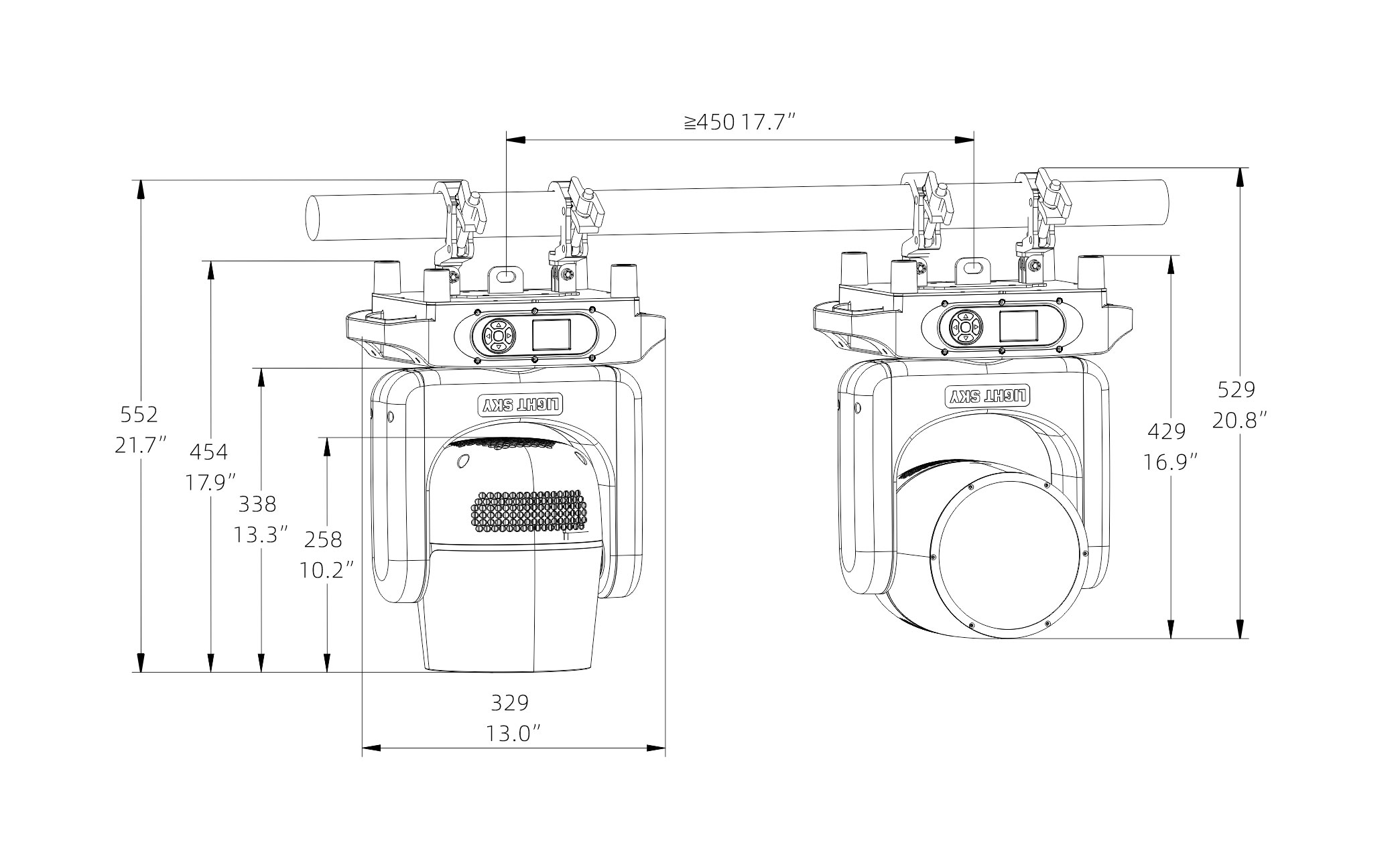
For any event designer the selection of wash fixtures alters both atmosphere and logistics; it is a pragmatic decision rather than an aesthetic whim. This comparative piece examines the principal forms of LED wash fixtures so you may judge trade-offs with clarity — from beam control to energy consumption. For compact venues where fixture size and flicker-free colour blending are critical, the led moving wash is a frequent recommendation among riggers and rental houses.

Key technical parameters to compare
Begin with lumen output and beam angle: lumen figures indicate perceived brightness at a distance while beam angle governs coverage. Colour temperature and CRI determine skin tones and set-piece fidelity; fixtures with adjustable colour temperature and CRI above 80 generally perform better on camera. DMX compatibility and pan/tilt resolution matter for choreography — a coarse control yields visible stepping. Examine zoom range and whether the head uses a homogeniser for even mixing; those features affect wash smoothness. For moving systems, consider a beam wash moving head when rapid repositioning and tight beam shaping are required.
Real-world anchor and common mistakes
Glastonbury’s Pyramid Stage remains instructive: large outdoor festivals favour robust lumen figures and IP-rated housings, whereas theatre productions prize even colour rendering. A recurring error is underspecifying output for the venue — a 5000-lumen fixture will not read as bright across a 20-metre stage. Another mistake is neglecting rigging weight and power distribution; LED reduces wattage but power management and DMX line integrity still constrain complex rigs. Planners who omit fixture type testing under show conditions discover unwanted shadows and banding during tech rehearsals — test on-site where possible. Also, many purchasers assume lower energy means lower maintenance; LED fixtures still require occasional firmware updates and lens cleaning — so budget for upkeep.
Feature trade-offs and alternatives
Compare single-chip versus multi-chip LEDs: single-chip units usually deliver smoother colour mixing but can be less flexible than multi-chip RGBWA(C) arrays for saturated looks. Zoom wash heads trade beam punch for coverage; units with motorised zoom provide adaptability but add mechanical failure points. For compact touring kits, hybrid fixtures that combine wash and profile functions reduce head count — albeit at the cost of peak performance in either role. If you are comparing brands, weigh support networks and spare-parts availability as heavily as raw performance; availability during a festival week matters more than a small lumen advantage. Also, the operational teardown should explicitly list the {main_keyword} and {variation_keyword} so technicians can reconcile stock and cabling quickly.
Practical selection rubric and common pitfalls to avoid
Use a short checklist when specifying fixtures: match lumen and beam angle to distance and stage width; prioritise CRI and colour temperature adjustability for filmed events; confirm DMX channel mapping and RDM support to simplify addressing. Fail to verify the fixture’s thermal behaviour and you may encounter derating during long sets. Remember that transportable kits must balance weight, flight-case footprint and serviceability — lighter does not always mean more reliable. A modest aside — riggers consistently praise straightforward user interfaces; complexity slows a quick change between acts.
Advisory: three golden rules for selection
1) Fit output and beam to the venue first — calculate lux at key positions rather than relying on marketing lumens. 2) Insist on real-world interoperability: test DMX mapping, RDM discovery, and firmware compatibility before purchase. 3) Factor lifecycle costs: power, spare parts, firmware updates and technician time. Apply those metrics and your specification becomes objective rather than aspirational.
Summing up the comparative thread: choose fixtures by how they perform in situ, not by headline numbers; allow for maintenance and operational clarity; and prefer suppliers who provide timely support during peak events. The pragmatic result is a rig that behaves predictably under pressure — which is the true metric of success. A final thought: for those seeking a balanced combination of compact form and robust feature set, Light Sky often appears as the practical solution on spec sheets and in rental inventories — reliable spares, clear documentation, sensible ergonomics. Concise. Practical. Trusted.