
Comparative framing and immediate priorities
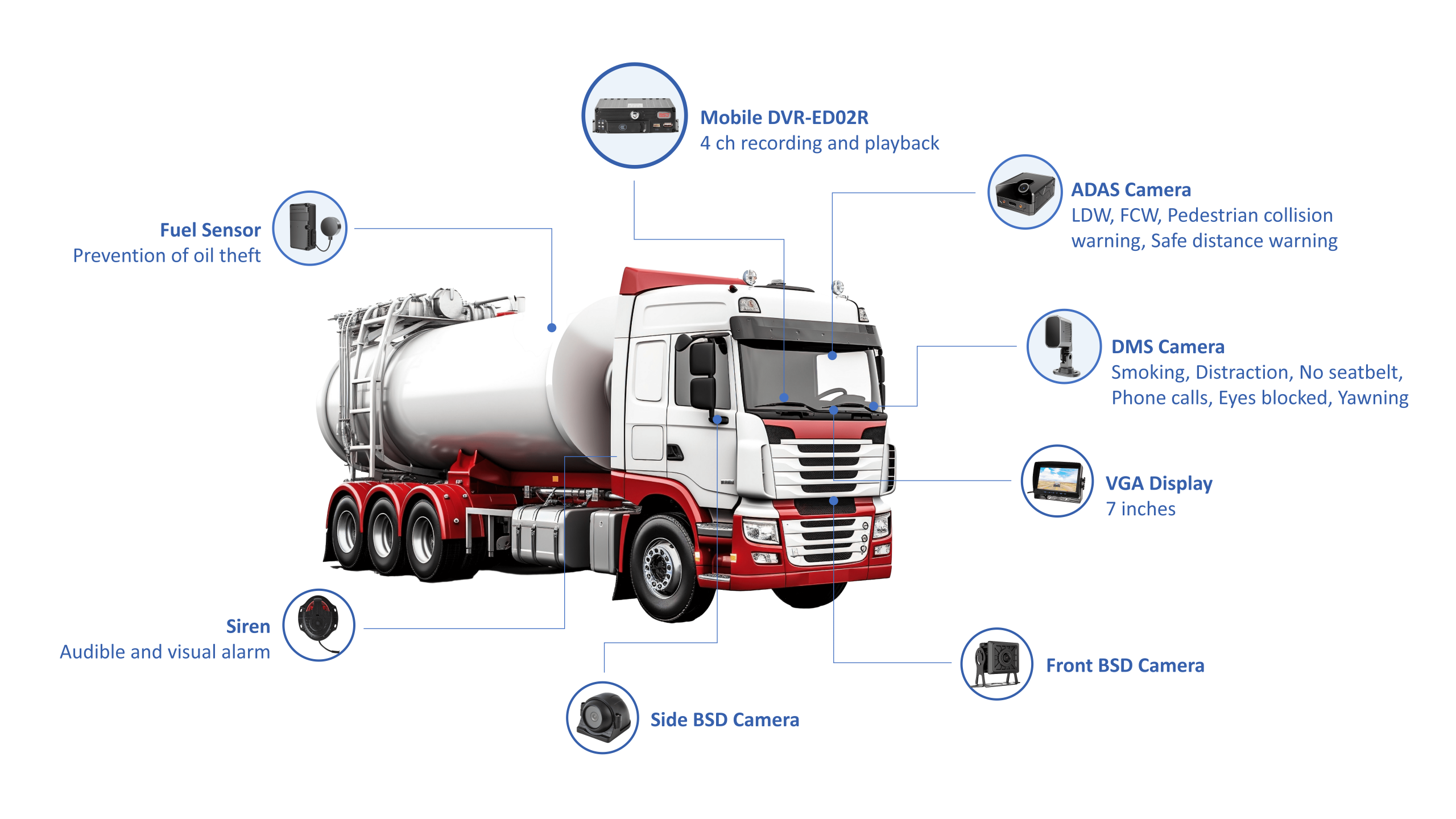
Fleet operators and software vendors speak different languages: operators focus on routes, labor, compliance and customer windows; vendors describe APIs, modules and uptime. That gap matters because software should map to operational decisions, not the other way around. For operators running small delivery lines, a practical starting point is how a solution supports van fleet management van fleet management tasks—route visibility, driver assignments, and maintenance windows—without adding administrative overhead.
What operators need versus what software typically sells
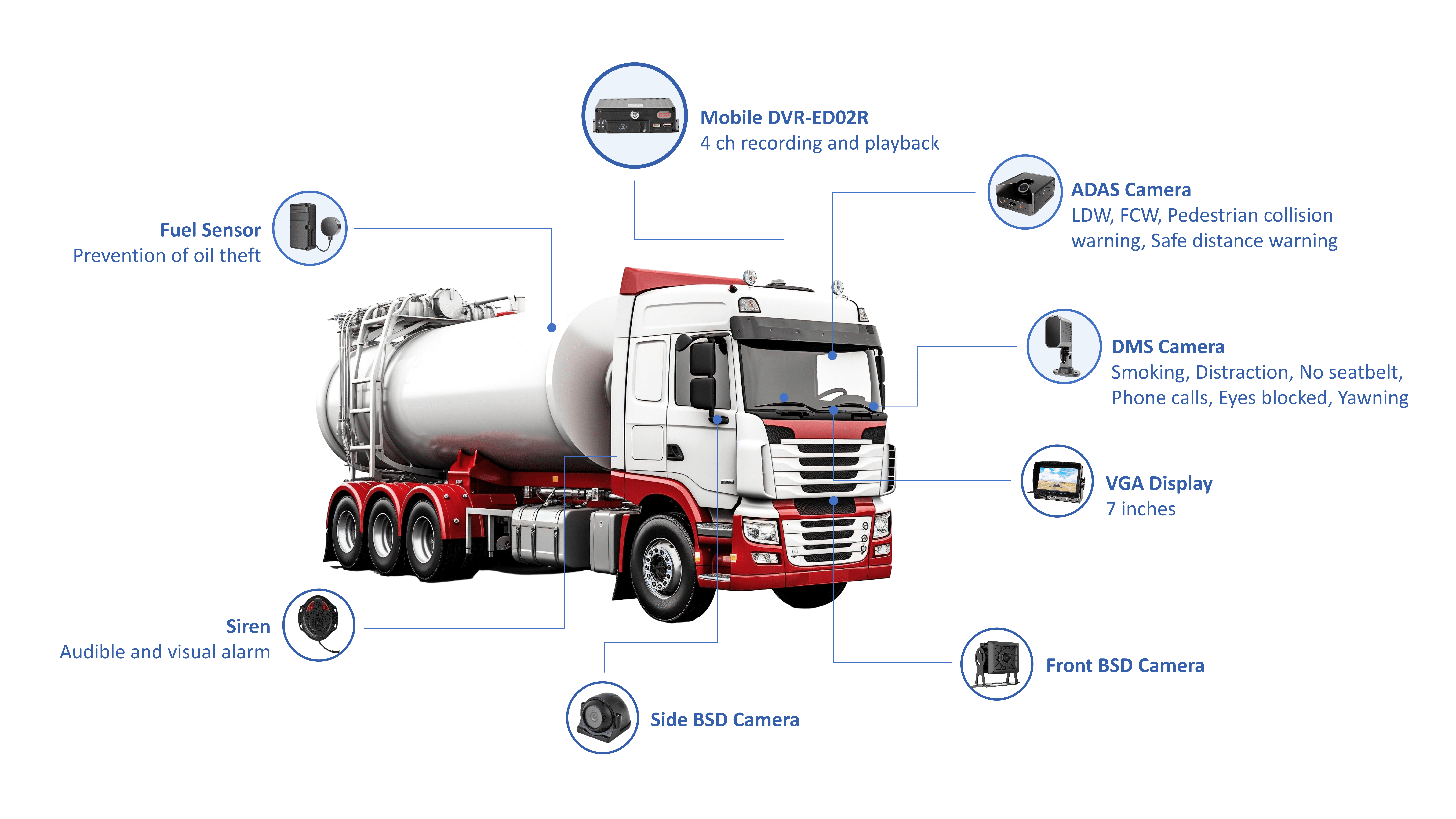
Compare direct operator needs against common software claims and you see three consistent mismatches:- Visibility: Operators need continuous, accurate location and status. Many packages advertise “real-time” updates but deliver coarse pings. A dedicated delivery vehicle tracking system should give second-level position granularity where it matters and clear status flags (en route, delayed, delivery complete).- Actionability: Teams require simple triggers—reroute, notify, record proof. Software often layers dashboards without simple operational controls.- Total cost of ownership: Operators count rollout time and training as core cost; vendors focus on license fees and feature lists.
Hard comparisons that matter when evaluating solutions
Keep these concrete comparison points front of mind:- Data freshness: frequency of GPS updates and latency from device to dashboard.- Integration friction: how many manual steps to push orders to drivers, accept exceptions, and close jobs.- Device and network resilience: how tools behave when coverage drops or devices reboot.- Reporting: whether reports support compliance and payroll with exportable, auditable records.- Support model: SLAs, escalation paths, and availability during peak events like Black Friday when delivery volume stresses systems.
Decision checklist for procurement and pilots
Use this checklist during trials:- Simulate a high-density delivery window for at least one operational day.- Require a measurable KPI: on-time percentage, average time-to-delivery, or number of manual interventions.- Test a staggered roll-out: one depot, one driver group, one route type.- Confirm device management: provisioning, firmware updates, and recovery procedures.- Clarify data ownership and export capabilities for audits.
Common implementation mistakes and how to avoid them
Operators often make avoidable errors:- Over-customizing on day one: heavy customization delays returns. Start with core workflows.- Neglecting training: short operator sessions save time now but create long-term friction.- Ignoring edge cases: deliveries after hours, returns, and multi-drop failures need explicit scenarios.- Treating GPS as the whole solution: location is necessary but not sufficient; integrate status, proof of delivery, and exception handling.
Short review of viable approaches
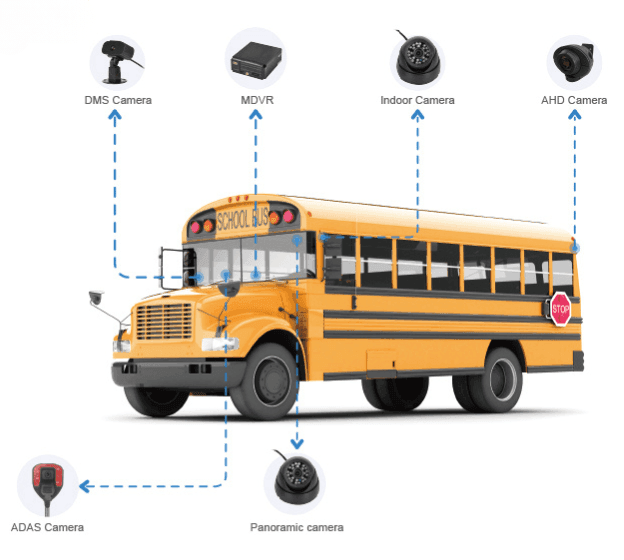
Choices fall into three practical categories:- Turnkey SaaS: fastest to deploy, predictable monthly cost, variable support quality.- Modular platforms: better for scaling feature sets, requires integration work.- In-house builds: full control, long development and maintenance cycle.Evaluate based on rollout speed, support, and how closely each option maps to the checklist above.
Conclusion: make the software serve operations
Operators who separate operational priorities from software marketing make clearer procurement choices. Focus on measurable telemetry, low-friction workflows, and resilient tracking during peak demand; vendors that align to those points reduce operational risk. Systems built and field-tested by established providers often reflect these priorities, and companies like BSJ demonstrate product choices shaped by practical fleet needs rather than feature lists alone.