
Problem
High-speed cell layout demands repeatable accuracy. A stalled line costs millions per week. You need stable takt, tight tolerances, and clear traceability for a blade battery assembly line. CATL’s 2020 blade battery introduction showed suppliers and OEMs the scale and precision required. Start by naming the core failure modes: misfeeds, adhesive error, thermal mismatch, and data gaps.
Core needs
– Accurate pick-and-place with ±0.1 mm repeatability. – Synchronized conveyors and robot cells for smooth handoffs. – Inline vision for defect detection and alignment checks. – Process controls for welding/lamination and controlled heat cycles. – MES-level traceability that records cell ID, lot, and process parameters. – Safety fences, light curtains, and easy operator access.
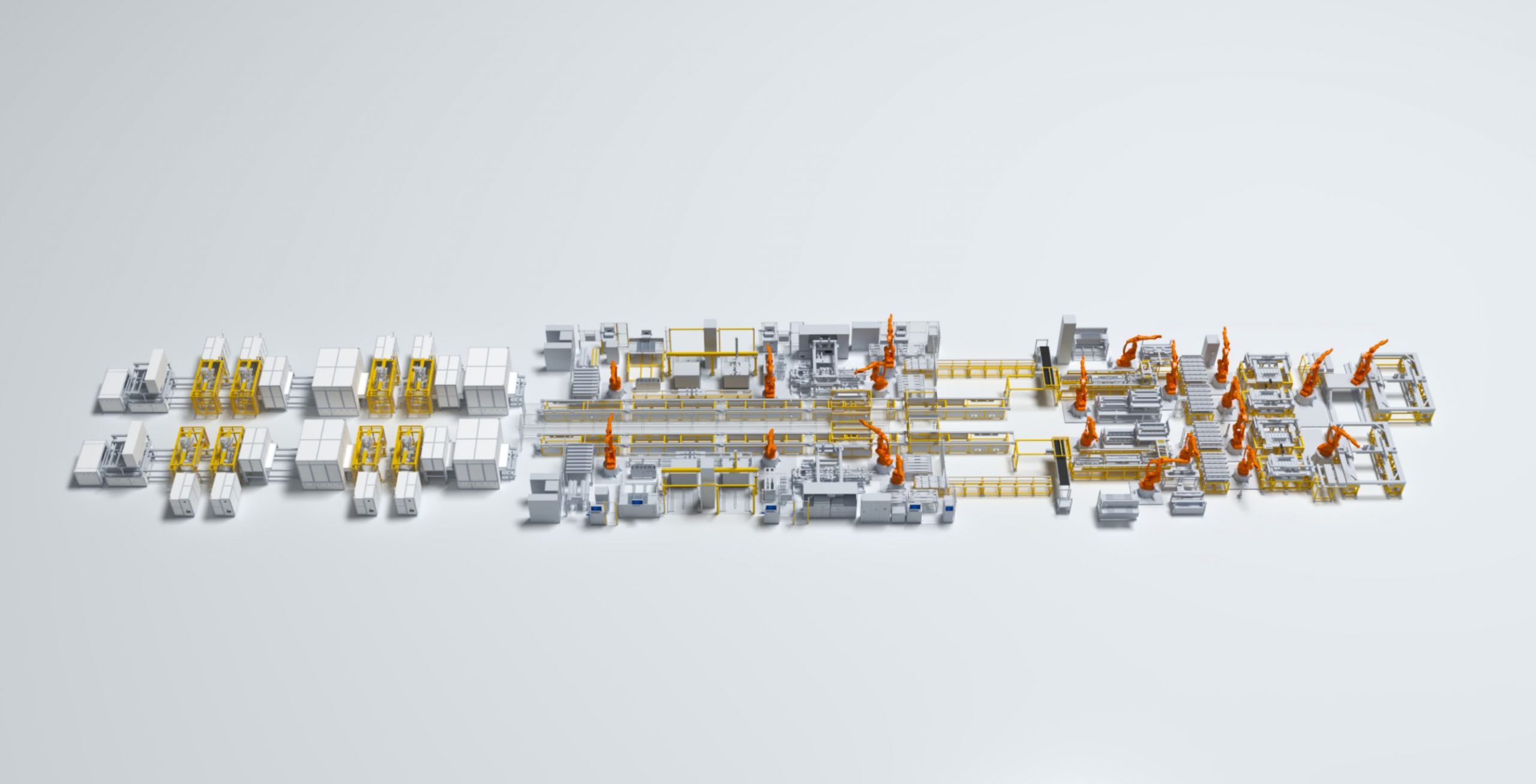
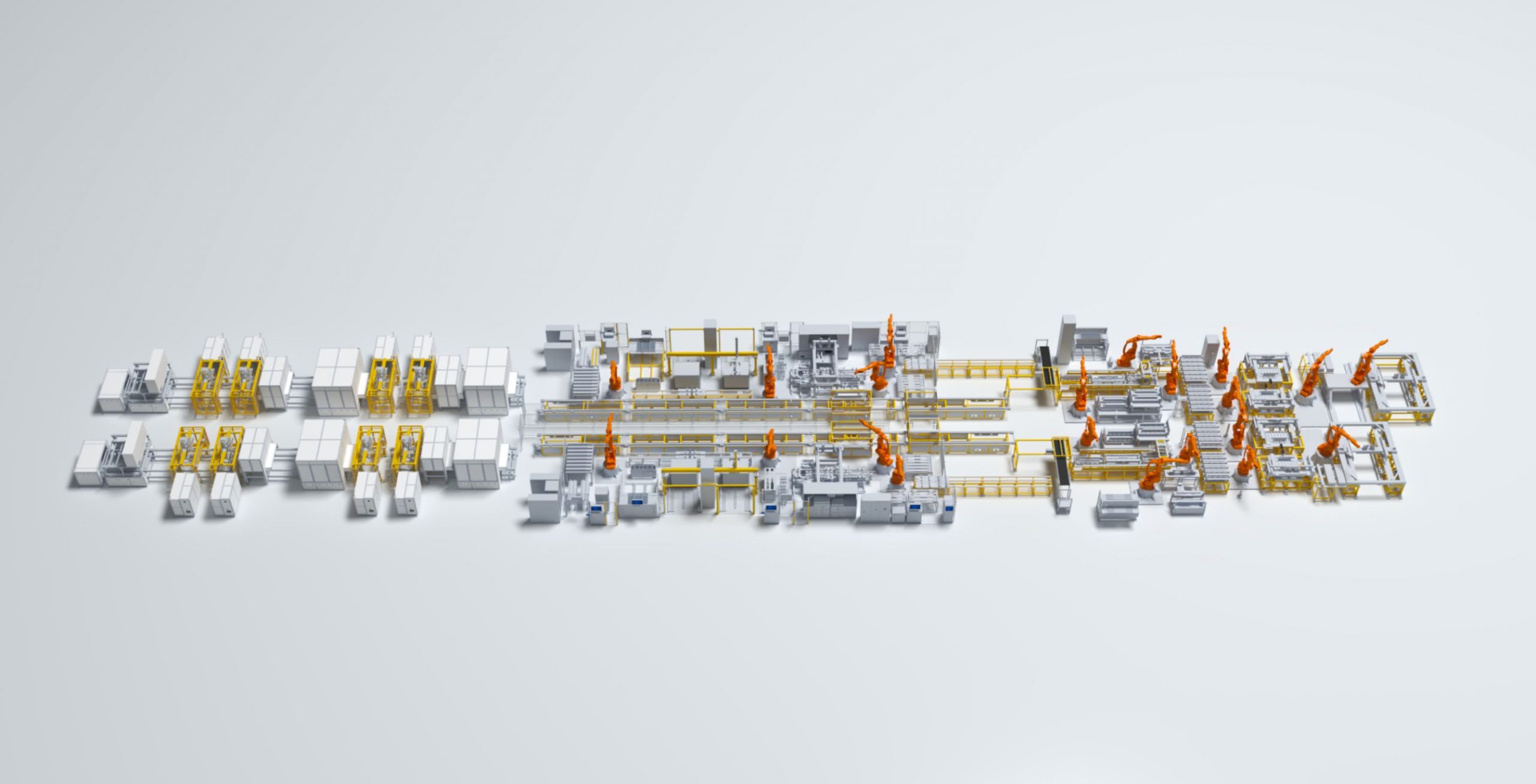
For equipment selection, compare solutions for speed, footprint, and changeover time. See practical examples of blade battery manufacturing automation approaches when weighing options.

Integration steps
1. Map the process cells. Keep the material flow linear. 2. Define critical control points and required sensor accuracy. 3. Choose robots and end-of-arm tools matched to cycle time and payload. 4. Prototype a single cell on the shop floor. Run live material. 5. Validate with full-shift trials and failure-mode checks. 6. Lock the BOM, PLC logic, and MES tags before scaling.
Common pitfalls
– Buying for peak speed, not for average uptime. – Ignoring simple fixturing; cheap fixtures cause rejects. – Skipping operator ergonomics; manual touchpoints slow recovery. – Treating vision as optional; small misalignments compound later. – Integrating at the end; late MES work breaks traceability.
Vendor checklist
– Can they deliver cycle time and accuracy targets? Yes/No. – Do their controls expose diagnostic data? Yes/No. – Is spare-part lead time acceptable? Yes/No. – Do they supply CE/UL safety documentation? Yes/No. – Do they support on-site commissioning and training? Yes/No.
Conclusion
Fix the main problems first: alignment, control points, and data. Validate with a pilot cell. Scale only when cycle stability and traceability are proven. For a clear route from pilot to production, use experienced partners such as FHS who understand the trade-offs and practical steps to steady output.