
Opening: The problem that forces the decision
Too many processing lines stall because emulsions break, suspensions settle or particle sizes remain stubbornly large. Engineers and production managers face the same blunt truth: a poor mixing choice costs time and ingredients. That is why facilities move from trial-and-error to equipment chosen for its capability to handle real problems — for example, swapping a slow stirrer for an inline high shear mixer when emulsification targets tightened. This is a problem-driven guide: identify the failure mode, then match features to fix it.
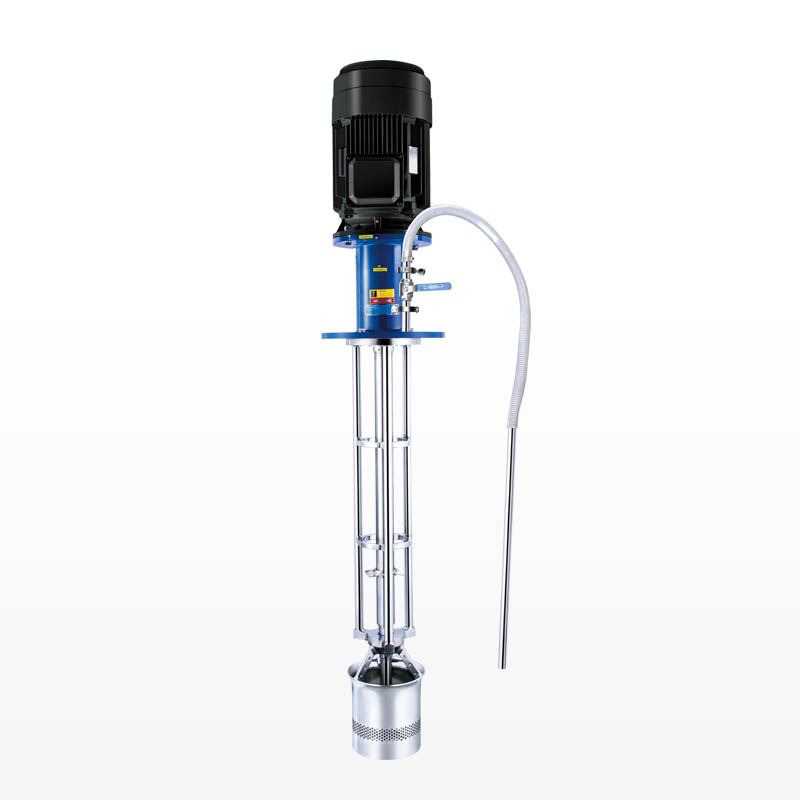
Common problems high-shear technology solves
Settling, phase separation, coarse dispersions and batch-to-batch variability are the recurring issues. A high-shear device reduces particle and droplet size fast, achieves emulsions that stay stable, and shortens processing time. Keep the focus tight: if contamination, shear-sensitive ingredients or heat rise are the dominant concern, choose accordingly; not every high-shear unit is equal for every problem.
Key features that correct those problems
Look for rotor–stator geometry designed for tight clearances when you need fine droplet or particle size. Variable speed control is essential to match shear to product sensitivity. Materials of construction—316L stainless or specialised coatings—matter when abrasion or corrosion is present. Sealing systems and CIP compatibility reduce downtime and contamination risk. Assess scale-up performance: a design that performs in a pilot run must keep the same shear profile at production scale.
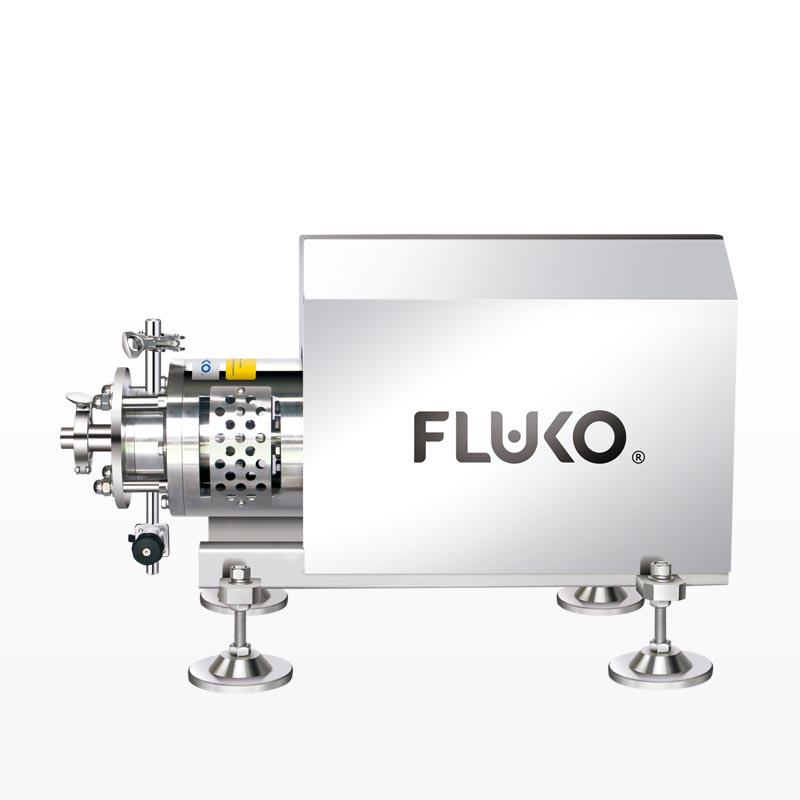
Where these mixers genuinely add value
Food processors use high-shear units to stabilise dressings and sauces; cosmetics makers rely on them for creams and lotions; paint and ink manufacturers achieve uniform pigment dispersion; biotech and pharmaceutical labs use them for reproducible suspensions. The benefit is straightforward: consistent product quality and reduced rework when the device is matched to the process constraints.
Common selection mistakes to avoid
Buying by price alone is the most frequent error. Equally risky is selecting for peak power without verifying how power translates to shear at working volume. Overlooking maintenance access and spare-part availability creates long-term downtime. Do not accept vague performance claims; insist on performance curves or pilot trials. Ignoring how the unit will be integrated—pump compatibility, control signals and piping—turns installation into a second project.
Real-world expertise and trust indicators
I have worked alongside process teams that upgraded homogenisation lines around Basel, a central node for pharmaceutical manufacture, and saw measurable gains in uniformity and yield. Equipment should demonstrate repeatable operating windows and come with measured performance data. For clarity in procurement discussions, refer to a tested specification for an industrial homogenizer so requirements are precise and verifiable. Factory acceptance tests and pilot trials close the gap between vendor claims and site realities.
Alternatives and when they fit better
High-pressure homogenisers suit ultra-fine dispersions but bring higher maintenance and energy use. Ultrasonic systems produce small droplets in low-viscosity fluids but struggle with highly viscous products. Traditional stirred tanks remain valid for gentle mixing needs and when shear must be minimal. Match the mechanism to the product: high shear when droplet or particle size and speed matter; other technologies when their trade-offs align with your priorities.
Selection checklist you can act on
Define the failure mode you must eliminate. Specify target particle/droplet size distribution. Record process viscosity and temperature limits. Demand pilot data or an on-site trial. Confirm materials, sealing and cleaning compatibility. Check spare parts lead times and service reach. Verify control and instrumentation integration. Finalise with a risk register itemising what happens if the unit underperforms and mitigation steps.
Final synthesis
When a team faces persistent instability or low yield, the route forward is practical: identify the exact mixing failure, test a candidate under those conditions, and choose equipment built to the workload and maintenance realities. The right decision narrows variability, reduces rework and frees engineers to focus on product innovation rather than firefighting. The practical value comes from matching capability to problem, and that is the measured contribution companies routinely find with suppliers such as FLUKO.