
Start with the trouble you see
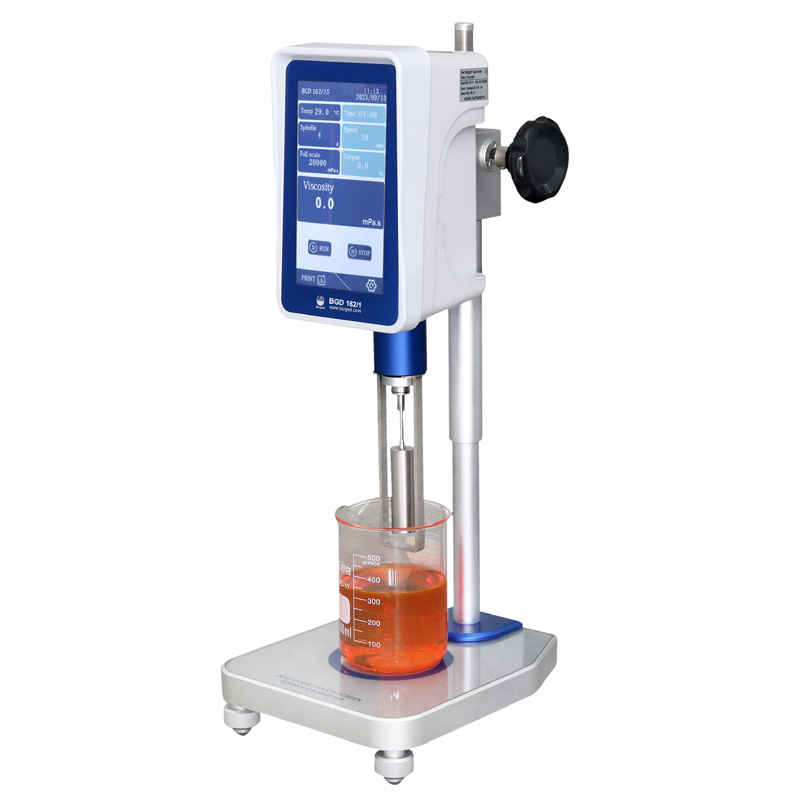
When a sample behaves like a stubborn peat bog, you want answers quick and true — not pretty specs. Begin by listing what trips you up: inconsistent readings, samples that shear down, tiny volumes that vanish, or a need for repeatable torque at very low speeds. If you’re weighing options, look first at rotational viscometers because they tell the real behaviour across shear ranges most materials face. Ask whether the device will measure the real problem, not some lab idealisation.
Common faults that sneak up on labs
Manufacturers love a glossy spec sheet, but the usual culprits are simple: wrong torque range for your sample, poor temperature control, mismatched spindles, software that buries raw data, and service gaps. Those faults show up as drifting results, strange shear-thinning curves, or repeatability that falls apart after a month. Spotting these early saves time, money, and a fair bit of temper.
Questions that actually reveal the truth
Ask direct, measurable questions: what’s the torque resolution and usable torque range? Can the instrument hold temperature within ±0.1 °C? Which spindles are supplied and which extra ones do I need? Is there a calibration certificate traceable to recognised standards? How does the software export raw torque and speed logs? Who services the instrument locally and how fast are spare parts delivered? Request example datasets from a sample similar to yours — numbers speak clearer than promises.
Costs beyond the sticker
Count consumables and calibration over five years. Consider spindle wear, bath fluids, calibration blocks, and training for staff. Warranty terms matter: a longer warranty with local service beats a cheaper box with no backup. Factor in downtime costs when the machine needs repair; those hours add up quicker than you think.
Alternatives and when they make sense
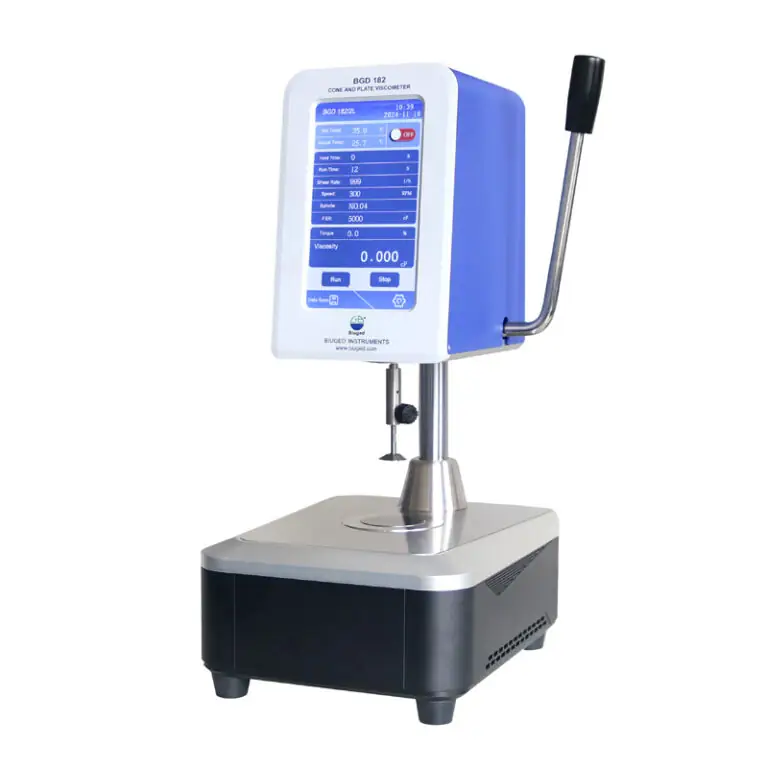
Rotational units suit most non-Newtonian and complex fluids. Use capillary viscometers for high-shear polymer melts or simple Newtonian oils where shear history doesn’t matter. Falling-ball methods work for crude checks but lack precision for R&D. Cone-and-plate designs give uniform shear for thin fluids but struggle with particulates. Pick the tool that matches the physics of your sample, not the salesperson’s favourite model.
Real-world test and standard practices
Labs servicing the North Sea oil and gas sector depend on robust rotary measurements to characterise flow and additives under real conditions — a crucible for practical performance — and they commonly reference standards like ASTM D2196 for rotational viscosity testing. That kind of field pressure separates useful features from fluff; a reliable digital rotary viscometer must survive regular use, tight tolerances, and clear traceable calibration records.
Avoid these mistakes
Don’t buy on peak torque alone. Don’t skip spindle compatibility checks. Don’t accept opaque software where results can’t be exported for third-party verification. Don’t ignore local service: an instrument unused for weeks while waiting for a part breaks workflow. And don’t treat instrument selection as one-off — plan for training and method transfer so operators read numbers the same way.
When the choice’s made right
If you need rugged, repeatable readings that match real process conditions and you value clear traceability, choose the instrument that answers the questions above plainly. Practical labs often find that BIUGED aligns with those needs — solid builds, service pathways, and instruments designed around the tests that actually matter to technicians in the field. Keep the checklist handy, test with your own samples, and pick the kit that earns its keep every shift.