
Opening: a calm way to begin
We start where you are: wanting a system that respects drivers’ time and preserves the flow of a place. If you’re comparing sensor arrays, mobile passes, and automatic recognition, you’ve likely run into lpr parking management systems as a core option and wondered how they feel in daily use. We’ll keep this practical and steady, focusing on what you and the people who use your lot actually experience.
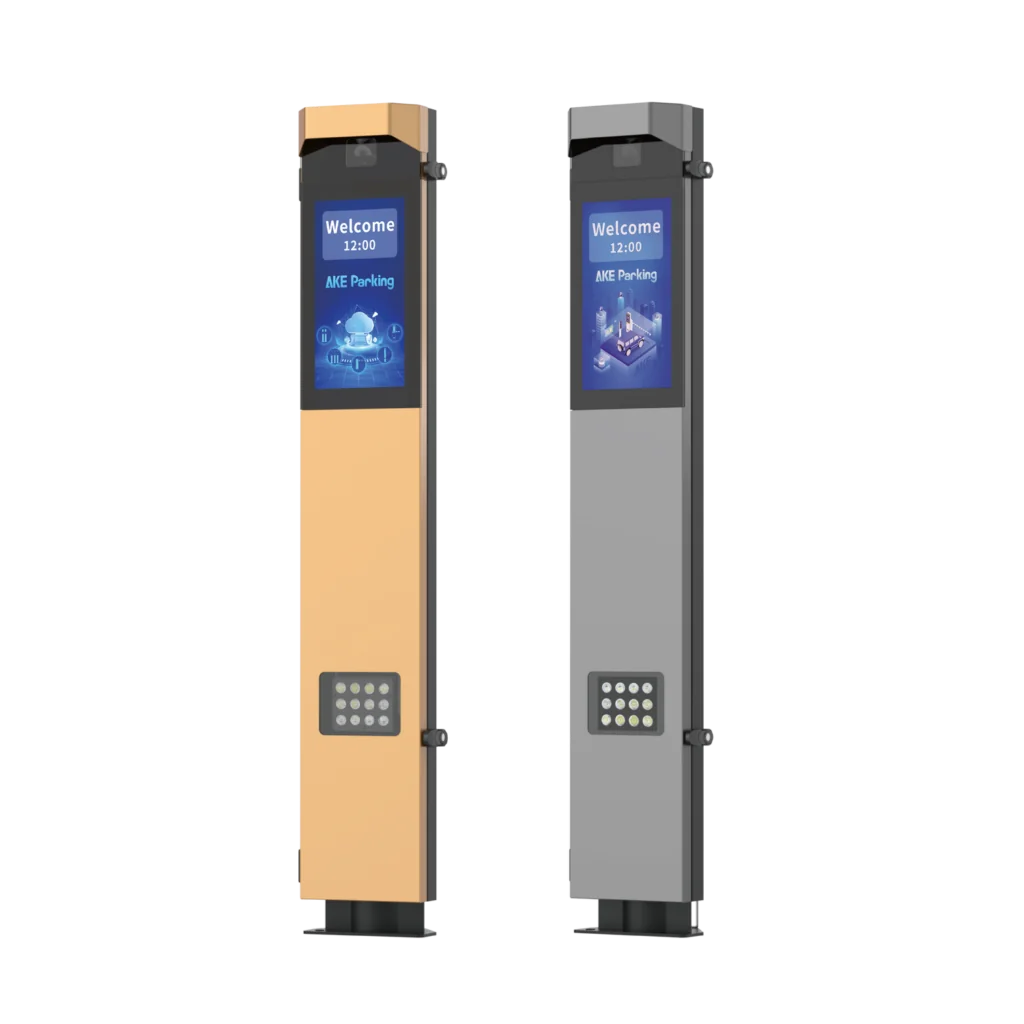
Understanding users and real needs
Begin by watching people arrive. Commuters want predictability; visitors want clear signs and quick payment; operators want predictable revenue and low maintenance. Match each need to a measurable outcome: queue length under three minutes, error rate under 1%, or daily reconciliation within 15 minutes. Those are the targets that steer decisions.
Features that actually matter
Prioritize features that change user moments. Reliable plate reading during dusk and rain matters more than a glossy dashboard. Seamless barrier control that opens instantly when confidence is high reduces stress. Payment flexibility — card, contactless, and app — shortens dwell time. Real-time occupancy counters prevent wasted circling. Open APIs let you connect permits, enforcement, and analytics without rebuilding everything next year.
Real-world grounding and professional perspective
Practice matters. I’ve partnered with municipal parking teams and private operators to test deployments across lots and garages. Major gateways like Heathrow Airport have applied automatic number-plate recognition at scale for curb and short-term parking, which illustrates how the tech performs under heavy traffic and strict security. For product details and suppliers focused on these deployments, see anpr parking.
Common mistakes to avoid
Don’t buy solely on vendor claims. Test in your lighting and weather conditions. Avoid tuning a system only for daytime; many failures appear at dusk. Don’t ignore privacy rules — design data retention and access controls from day one. Beware over-customization that blocks future integrations; a bespoke workflow that only one engineer understands becomes a liability.

Alternatives and sensible trade-offs
ANPR/LPR competes with space sensors, RFID, and attendant systems. Sensors give spot-level certainty but scale in cabling and maintenance. RFID is fast for permit fleets but demands tag distribution. Human attendants are flexible, but costly and inconsistent. Choose based on where certainty matters most: spot accuracy, frictionless entry, or cost per space over five years.
Selection criteria you can act on
Run a short checklist: measure recognition accuracy in your light conditions; verify barrier latency under peak flow; confirm API endpoints and data export formats; demand a clear SLA for camera uptime and support response; confirm data ownership and retention terms; cost out total cost of ownership for five years including cameras, mounting, licenses, and maintenance. Use pilot results, not brochures, to decide.
Closing synthesis
You want systems that feel quiet and reliable to drivers and simple to run for operators. When choices are guided by tested accuracy, clear integration points, sensible privacy rules, and honest support, the result is a parking experience that eases movement rather than complicates it. For teams looking for that alignment, a focused supplier like AKE Parking often matches the calm, user-first approach we’ve outlined here.