
Introduction — a short scene, a number, and a pressing question
I remember walking into our shared workshop and coughing at the smell of hot plastic—nothing dramatic, but enough to make everyone move their heads. In that room, a single 3D printer fume extractor sat idly by while several printers ran PLA and ABS; studies suggest that common desktop prints can raise particulate matter (PM2.5) and VOCs in small rooms by up to several times background levels (this matters). So if fume control exists, why do we still end the day with irritated throats and stained air filters? That question—about effectiveness, cost, and real protection—drives everything I want to cover next. I’ll show what I’ve seen, what actually works, and where most setups fall short. Now, let’s dig deeper into the practical flaws that trip people up.
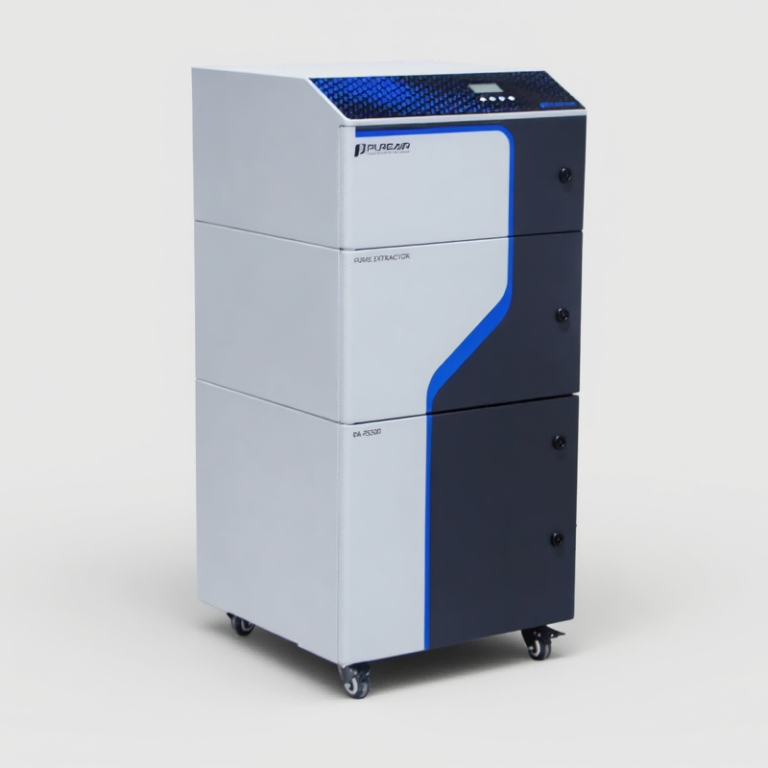
Part 2 — Where standard fixes break down (and the real pains users hide)
In many shops people buy a unit and assume the job is done. But a simple unit is not the same as an effective system. Take the common add-on: a 3D printed dust collector slapped near the printer’s exhaust. It looks right on paper—filters, a fan, a hood—but real airflow dynamics and filter choice matter more than you think. In my experience, people misjudge capture efficiency because they ignore airflow rate, hood placement, and the mix of particulates vs. gases. HEPA filter ratings mean something, yes; but HEPA alone won’t remove VOCs. Activated carbon helps with gases, but it must be sized and maintained. Look, it’s simpler than you think when you test for both particle count and odor. I’ve seen units with decent fan speed still fail because the extraction hood was three inches too far from the nozzle—tiny gap, big effect.
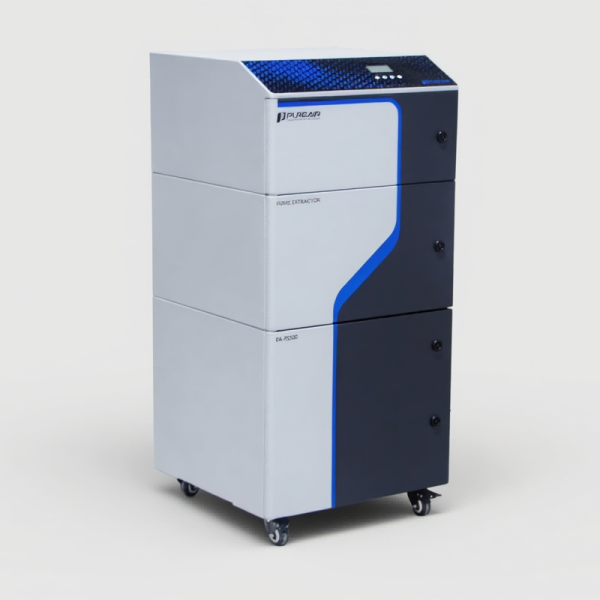
Why do users tolerate poor results?
Many hide frustration: they cover smells with masking sprays, accept higher fan noise, or swap filters only when airflow drops noticeably. That’s a pain point you won’t spot in product specs—human factors, workflow interruptions, and maintenance fatigue. From edge computing nodes to simple power converters, the tech terms change, but the issue is the same: misaligned expectations. — funny how that works, right? We should focus on measurable capture (percent of emitted PM2.5 removed), repeatable maintenance, and usable noise levels. Those three tell the real story.
Part 3 — Principles and practical paths forward
What should we do differently? First, treat extraction as a system, not a box. Use basic principles: source capture, proper hood geometry, matched fan power, and combined filtration (HEPA + activated carbon). When I design or pick equipment now, I look for controlled airflow curves and clear specs on capture efficiency at common print distances. A good rule: measure particle reduction at your usual print setup, not in vendor test rigs. If you can, test with a simple particle counter or ask the supplier for real-case data. I prefer semi-formal trial-and-error—try it, measure it, tweak it. Practical, not dogmatic.
What’s Next — tech and choices that matter
Newer units add smart sensing and variable fan control to match prints in real time. That matters because filament type and temperature change emission profiles. You’ll see products built around a proper 3D printed dust collector approach—modular filters, clear maintenance windows, and better hood design. I’m cautiously optimistic: these steps lower exposure and make maintenance less painful. — and yes, some of the sensor stuff adds cost, but it often pays back in fewer filter swaps and less sick time.
To help you choose, I offer three practical evaluation metrics I use myself: 1) Measured capture efficiency at your working distance (aim for >80% reduction for small particles), 2) Combined filtration specs (HEPA class and grams of activated carbon or adsorption capacity), and 3) Usability metrics—noise (dB at 1 m), filter change time, and spare part cost. Use those when comparing units and don’t be shy about testing in your own space. I care about reliable protection and sane maintenance. In my shop, a modest investment in proper capture and a clear maintenance routine changed the daily experience—less coughing, fewer filter surprises, and more focus on making. For reliable products and more setup tips, I often check solutions from PURE-AIR.