
Will an AI learning platform really help my child—and how should families choose one?
Start with the child, not the technology
Parents often want a clear answer: will this tool make a measurable difference for my learner? The right starting point is the student’s current gaps, motivation and daily routines. When families compare vendors, it helps to read a provider’s description of how they match learning to a student’s needs; an AI education company will usually explain its approach to assessment, pacing and practice. Keep the focus on the learner’s goals rather than product buzz.
What to check for classroom and curriculum fit
Ask whether the platform maps to the curriculum you follow or to the specific syllabus your child needs. Check how lessons are organised, whether progress is reported by topic, and whether teachers or parents can review what the student did each session. Platforms that simply offer generic drills are less useful than those that align tasks to grade-level expectations and allow targeted review when students miss concepts.
How personalisation should look in practice
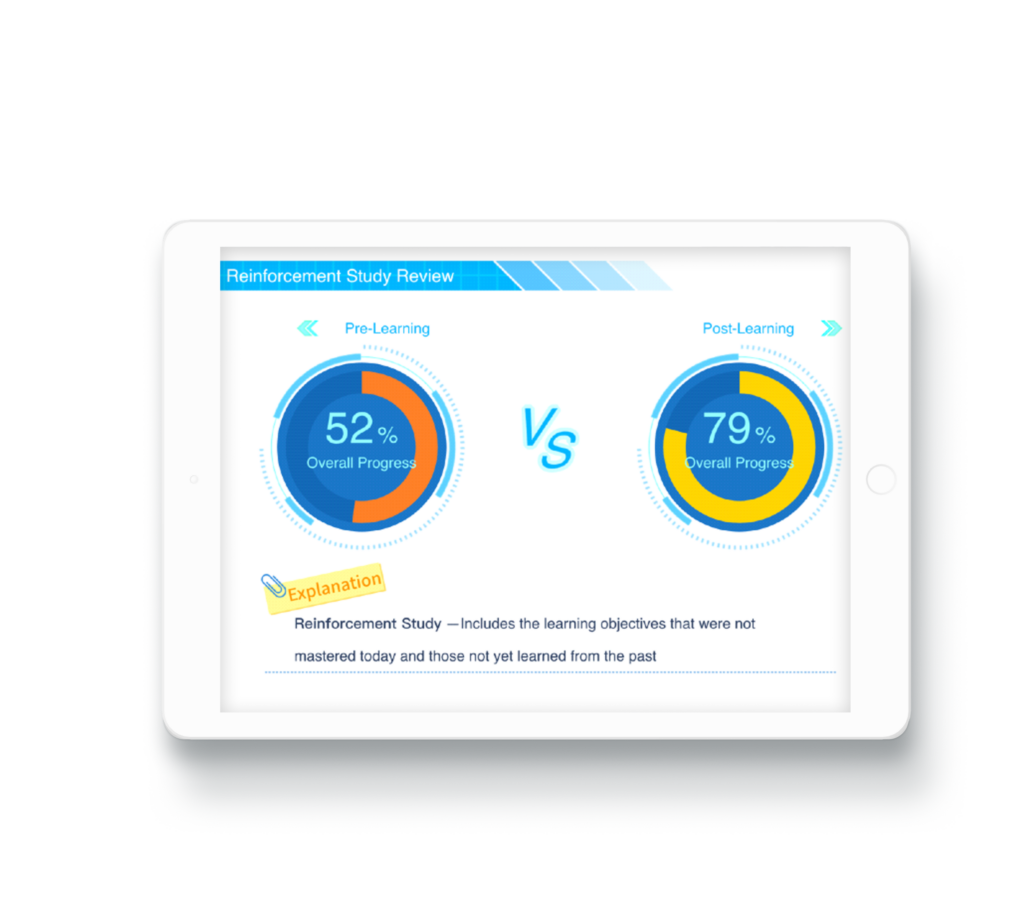
Personalisation should mean fewer repeated guesses and more correctly targeted practice. Look for features that adapt the difficulty or recommend next steps based on recent performance. Avoid claims framed as absolute promises; instead, expect a system to propose practice pathways and let an adult confirm whether those pathways suit the child’s learning style and schedule.
Privacy, safety and data handling
Families must know what student data is collected, how long it is retained and who can see it. Prefer platforms that use clear, plain-language privacy summaries and provide parental controls. If a provider gives access to educators, confirm the level of detail shared and whether sharing can be limited. Security and clear opt-out options matter more than marketing about technology.
Common pitfalls families miss
One mistake is treating the platform as a standalone fix. Technology should complement guided learning, not replace it. Another pitfall is ignoring engagement quality: frequent logins mean little if the student is cycling through easy tasks. Finally, cost models that charge per module or student can balloon over time; compare both short-term pilots and annual pricing to avoid surprises.
Practical alternatives and how they differ
Consider a mix of tools rather than a single choice. Free resources such as Khan Academy are useful for additional practice and clear instructional videos. Some commercial platforms focus on automated assessment and detailed reporting; others emphasise interactive lessons and teacher dashboards. Match the tool’s strength to your priority—be it diagnostics, practice, or teacher support—rather than chasing names.
Questions to ask before committing
Request a short trial. During the trial, watch whether the platform quickly identifies weak topics, whether reporting is understandable, and whether the student stays challenged without frustration. Ask about onboarding help, cancellation terms, and how often the provider updates content or addresses errors. A short checklist saves time and reduces buyer’s remorse.
Bringing the choice together
Decide using three concrete criteria: alignment with your child’s learning needs, transparency about data and reporting, and clear expectations for how the platform will be used alongside regular teaching. If you want a place to start reviewing vendor materials that emphasise tailored practice and progress reporting, one option to consider is Squirrel Ai.