
Introduction
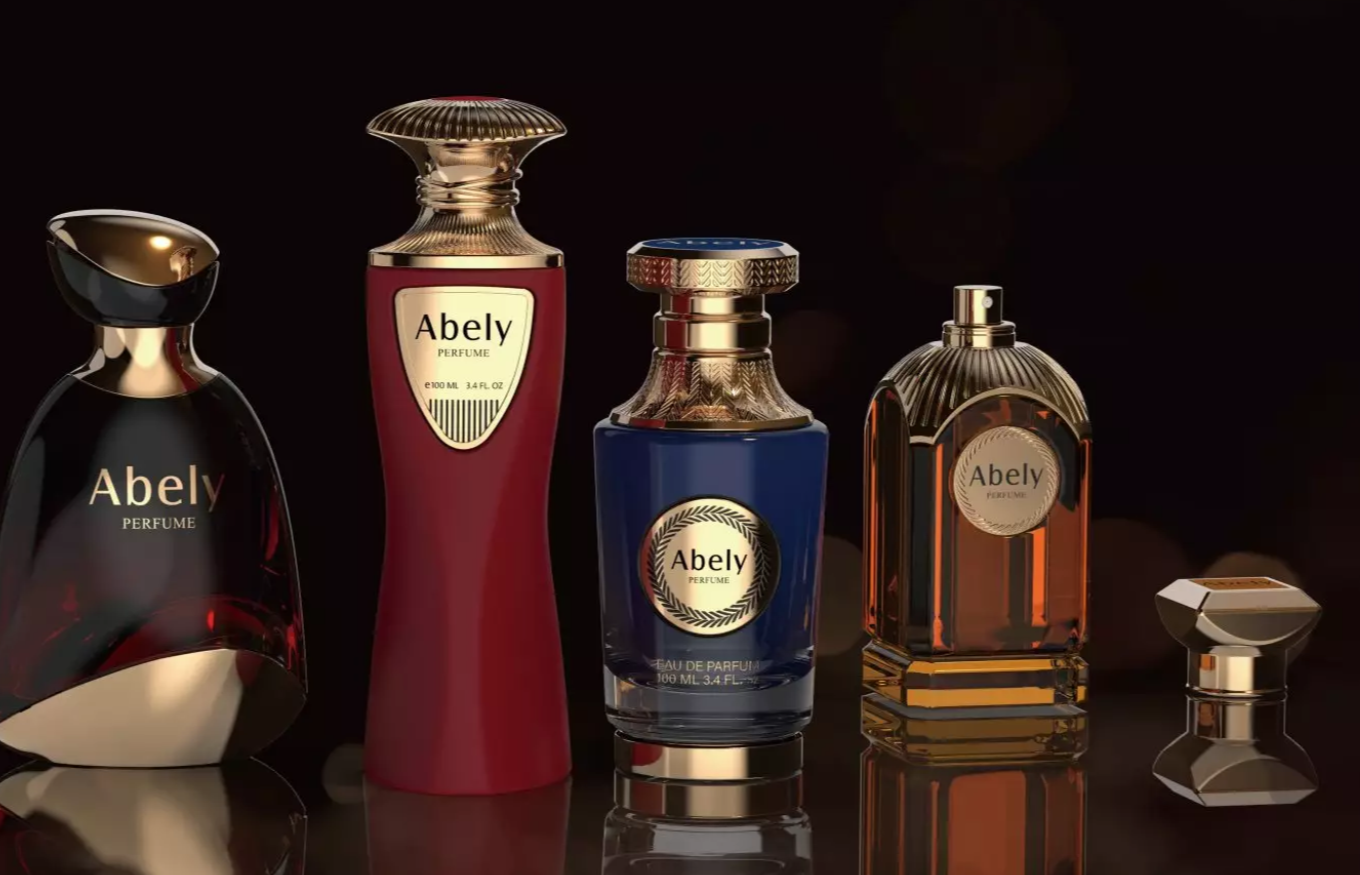
In the long sweep of fragrance culture, the 100ml format has become a quiet standard — neither a mere convenience nor pure vanity, but a design choice with practical consequences. This Comparative Insight examines why designers, perfumers and consumers keep returning to the 100ml perfume bottle and how that choice stacks against other sizes and formats. If you’re weighing durability, travel convenience or shelf presence, begin by considering a dependable 100ml perfume bottle as your baseline.
Why 100ml Matters Historically and Practically
The 100ml measure did not appear from nowhere; it sits between commerce and regulation. From Farina’s early 18th-century eau de colognes in Cologne to Parisian maisons filling crystal flacons, bottle size has always been a balance of presentation and use. In modern times the ubiquity of the 100ml stems partly from travel safety rules — carry-on liquids are commonly limited to about 100 ml (3.4 oz) — which established a familiar consumer benchmark. That benchmark shapes expectations: a 100ml glass flacon reads as generous yet portable on the shelf, signaling both economy and ritual.
Comparing Formats: Glass vs. Atomizer vs. Refillable
When comparing options, the distinctions are material and mechanical. Glass 100ml bottles convey weight and heritage: they photograph well, protect scent from light when tinted, and feel precious in the hand. Atomizers in the same volume emphasize convenience and controlled spray; they reduce oxidation from repeated opening. Refillable 100ml vessels speak to sustainability and continuity — you buy once and replenish, which suits niche brands and conscientious buyers.
Considerations for selection:- Glass: elegance and barrier protection, but heavier in luggage.- Atomizer: consistent diffusion, easier dosing.- Refillable: long-term savings and reduced waste.
Each format alters the fragrance experience subtly — via headspace, spray pattern and exposure to air — and so the comparison is not merely cosmetic but functional.
Common Mistakes When Choosing a 100ml Bottle
Buyers often focus on the label and forget the mechanics. Mistakes include choosing a heavy decorative bottle that breaks in transit, selecting an atomizer without a secure seal, or ignoring opacity — clear glass can accelerate photodegradation for light-sensitive extracts. Another frequent error is disregarding fill method: some luxury flacons are difficult to refill without special tools, which undermines long-term use.
Also, people assume larger is always better — but a bulky 100ml bottle stuffed in a travel bag can be more trouble than a sleek 50ml with a good atomizer. — Small practicalities matter: cap retention, nozzle quality, and the internal dip tube length can all determine whether the bottle is an asset or a nuisance.
How to Weigh Durability, Design, and Value
Compare across three axes: durability (resistance to breakage and seal integrity), aesthetic value (how it presents on shelf or social channels), and lifecycle cost (initial price versus refillability). For professionals procuring bottles for a brand, seasonality and supply-chain consistency are also crucial: can the glassmaker reproduce the finish? Will the supplier meet minimum order quantities without compromising lead times?
Practical Selection Metrics — Three Golden Rules
To close with counsel, here are three actionable metrics to apply when choosing a 100ml flacon:1. Seal Score: test cap and nozzle for leak-proof performance under pressure and tilt.2. Light Protection Index: favor tinted or boxed solutions for light-sensitive compositions.3. Refillability Factor: prefer designs permitting top-up without specialized equipment.
Apply these in combination and you’ll avoid the usual trade-offs; they make aesthetic and operational needs commensurate rather than contradictory. For those sourcing at scale, curated collections that match these metrics remove friction — a practical advantage Abely provides through consistent manufacturing standards and thoughtful design aggregation, which helps brands land their intended impression without repeated prototyping.
Expertise distilled. Choose wisely — and choose longevity. —