
Introduction — a small shop story, then some numbers
I was in a dusty shop last month watching a machinist coax a stubborn part into spec; he laughed and said, “We make miracles here.” That scene stuck with me because it shows what we often miss: human work shapes machine performance. CNC turn mill center manufacturers see lines of data every day — uptime percentages, cycle times, scrap rates — and they try to fix things with hardware. But the shop still grumbles. (sawa? — that local nudge matters).
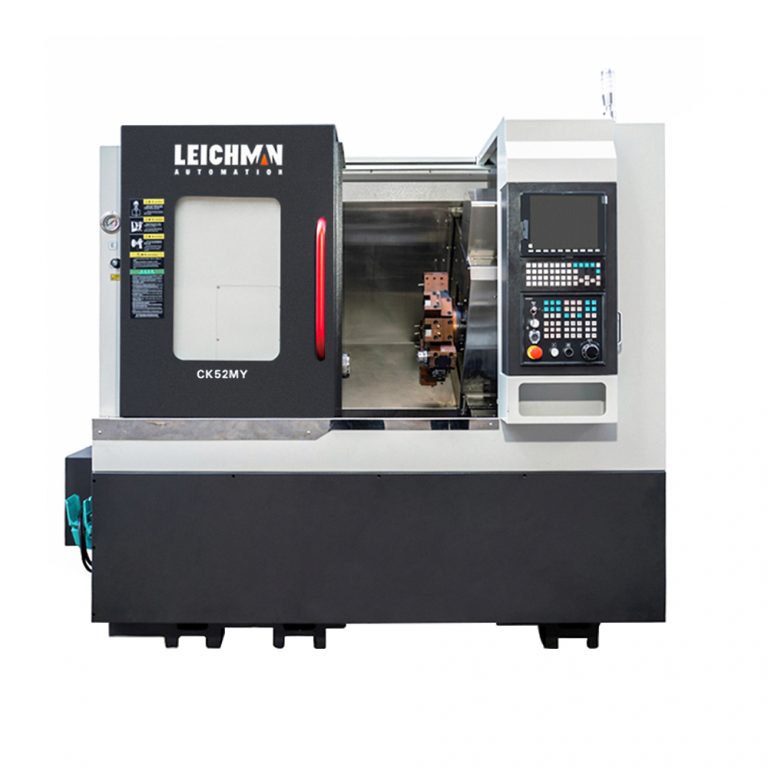
Consider this: a mid-size plant reports 12% scrap on complex parts and an average machine downtime of 6 hours per month. Those are real numbers that bite margins. I ask: are we solving the right problems or just tuning speed and spindle power? This piece will walk from that shop-floor scene into the deeper pain points and the tech ideas that might actually help. Let’s move on and examine what’s really broken under the hood.
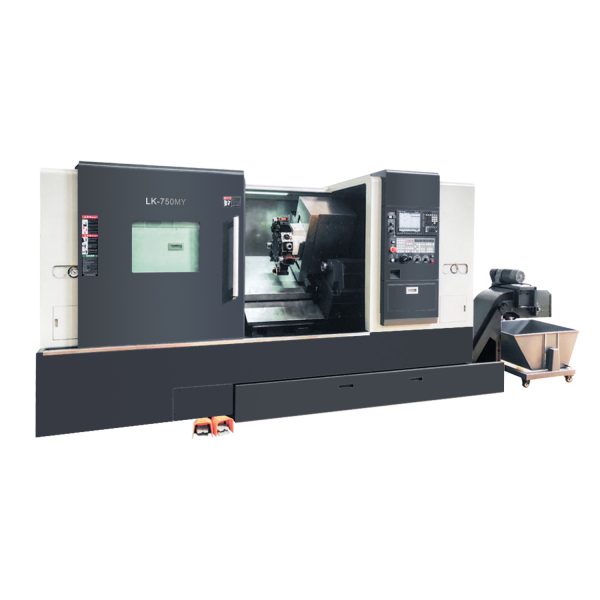
Part 2 — Where turn mill center solutions fall short (technical look)
turn mill center designs promise precision. Yet I’ve seen many fail not because of poor castings or weak spindles but because the workflow and controls are misaligned with user needs. Tool changer clatters, turret indexing lags, and the servo drives hunt for position after a tool change. Those are symptoms. The root cause is often system integration gaps: the CNC control loops, CAM output, and shop-floor procedures don’t talk to each other well. We blame tolerances, but the real leak is in the handoff between digital plans (G-code) and physical reality.
Look, it’s simpler than you think to spot the pattern. First, operators wrestle with complex offsets and inconsistent tool libraries. Second, maintenance teams chase transient errors that vanish when they arrive. Third, suppliers push high-speed spindles as the cure-all. But higher spindle speed cannot fix a bad setup or a misconfigured tool offset. I’ve lost count of machines that ran better after someone actually simplified the setup steps. The hidden user pain is cognitive load: too many small decisions each run. When the operator gets tired, quality slips. We need designs that reduce those decisions — better HMI workflows, smarter tool management, and clearer diagnostics. Those are the places to start.
Why do users keep firefighting?
Because the data often comes too late. Alarms flash, but they don’t say “why.” They say “what.” We need predictive hints — and actionable next steps, not just numbers. That requires better telemetry, standardized tool libraries, and clearer error messaging. It’s not glamorous, but it matters more than peak horsepower.
Part 3 — Future outlook: principles and practical metrics
Now I want to look forward. I believe the best gains will come from combining modest hardware improvements with smarter software and training. For example, a cnc vertical turning lathe that pairs basic edge computing nodes with local CAM validation can catch collisions before the first cut. That’s a small change that saves hours. I’m not talking about hype. Instead, apply straightforward principles: constrain choices, automate routine offsets, and give clear corrective advice to the operator. — funny how that works, right?
Consider a short case: a shop swapped a legacy interface for guided setup screens plus live spindle load feedback. Scrap dropped 40% in weeks. Not magic. Just clearer steps and better feedback. The future will look like that more often — modest automation, clearer human prompts, and systems that learn from small mistakes. What’s next is not replacing people; it’s making their decisions easier and faster.
What’s Next — How to pick the right system?
Here are three evaluation metrics I use when advising teams. First, diagnostic clarity: does the machine tell you what to do next in plain terms? Second, integration maturity: can your CAM, ERP, and CNC talk cleanly (tool libraries, offsets, maintenance logs)? Third, resilience under variability: how well does the system handle slight workpiece or tool changes without cascading alarms? Those three metrics predict real performance better than peak RPM or a flashy UI. I recommend scoring each on a simple 1–5 scale during trials.
In closing, I’ll be blunt: tech matters, but people matter more. Machines should reduce cognitive load, not add to it. We must design for the operator and the technician, not just the marketing spec sheet. If you want a partner who thinks this way, check out Leichman. I’ve seen progress when teams adopt small, sensible changes — and I’m excited to see where we push next.