
Introduction: A small scene, a big problem
I was in a lab one rainy afternoon, watching a batch of paste separate on the stir plate — a tiny, familiar failure that says a lot. Abrasive silica for toothpaste sits at the center of that failure and, frankly, at the heart of many product decisions today. Recent industry checks show many mainstream pastes still use broad-range fillers; manufacturers report mixed results on whitening claims and sensitivity control (about 60–70% of formulas lean on silica-type abrasives). So I ask: are we asking too little of our abrasives, or are we expecting too much from one ingredient? This matters because consumers care—highly—about both feel and function. In the next section I will peel back the usual fixes and show where they fall short; stick with me — the gap is clearer than you think.

Breaking the Surface: Flaws in Traditional Abrasives
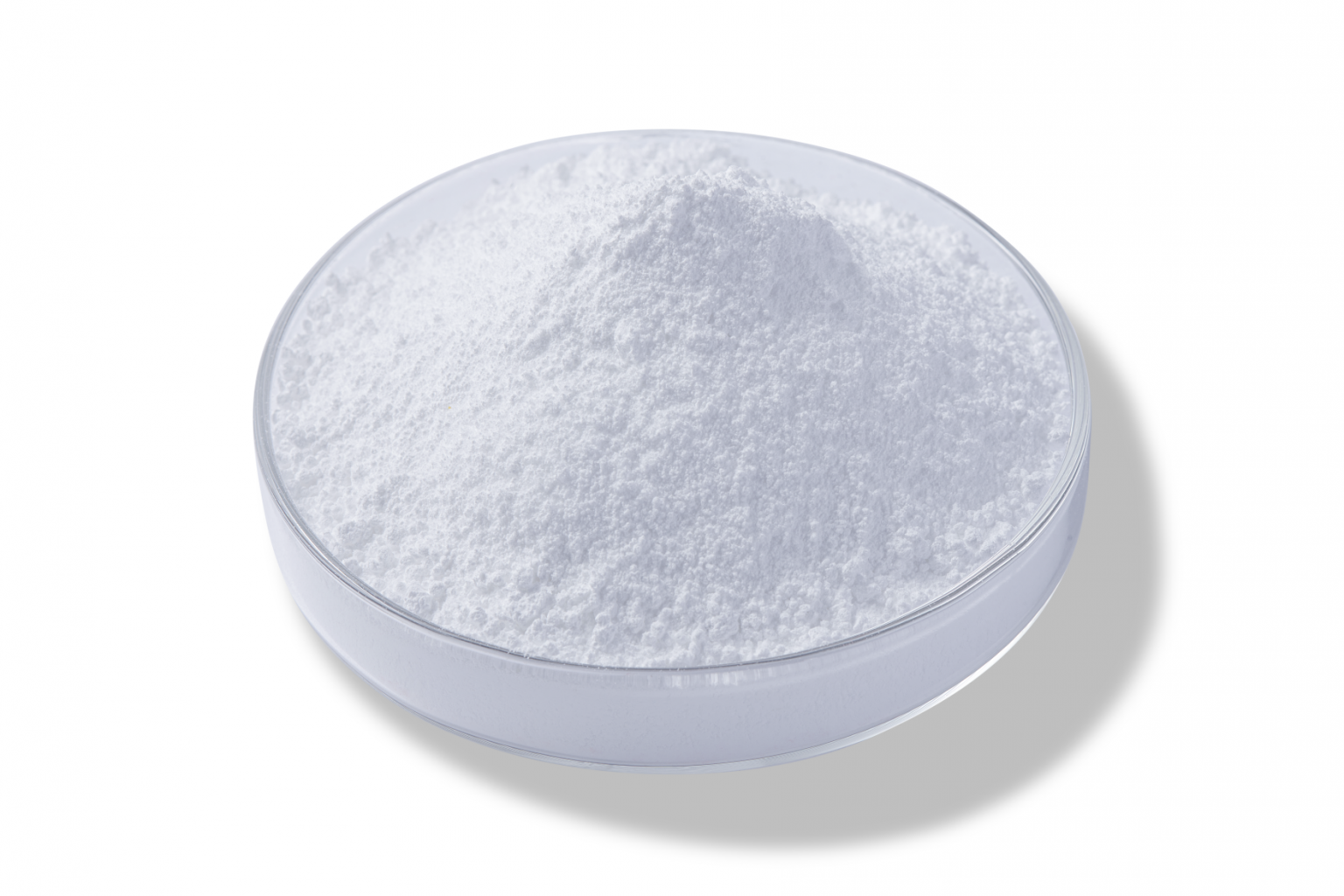
transparent silicate deserves a closer look before we praise or bury old approaches. I’ve seen many teams default to coarse fillers or to one-size-fits-all silica grades. The trouble shows up in three linked ways: inconsistent particle size distribution, unpredictable abrasivity (measured by RDA), and surface chemistry that clashes with active agents. When particle size varies too much you get a paste that feels gritty or uneven. When abrasivity is misjudged you risk enamel wear or poor stain removal. And when the surface is wrong, fluoride uptake or enzyme stability can suffer. These are not theoretical faults; they appear in batch runs, consumer complaints, and in the lab—funny how that works, right? Look, it’s simpler than you think: match the particle physics to the clinical goal. I prefer a clearer spec sheet that calls out D50, surface area, and surface treatment rather than vague “fine silica” labels. In practice, that means testing not only for silicon dioxide content, but for real-world variables like hydrophilic behavior and dispersion in glycerin-based gels.
Can older fixes still work?
Yes, in narrow cases. But we must be honest: classic abrasives were designed for bulk cleaning, not tailored whitening or sensitivity relief. Their chemistry often ignores modern adjuncts like calcium phosphate or novel enzymes. We can tweak them — surface treat with silanes, control porosity, narrow the PSD — yet each tweak brings trade-offs. I’ve personally switched from broad-range fillers to targeted grades when we needed predictable RDA and stable fluoride release; the results improved consumer feedback and reduced returns. Those wins come from testing across real conditions, not just lab numbers.
Looking Ahead: Case Examples and Future Outlook
I want to paint a short case example to show a practical path forward. In one project we replaced a generic abrasive with a tailored grade of transparent silicate and rebalanced humectants. The paste kept its smooth mouthfeel, raised stain removal scores, and reduced dentin sensitivity reports in user panels. We measured particle uniformity, tracked RDA, and monitored interaction with fluoride; the data agreed with what users reported. The lesson? Newer, engineered silicas let you split performance goals instead of forcing a single compromise. I’ll be candid: that approach needs tighter specs and more upfront testing. It costs time. It pays back in fewer reformulations and better shelf stories.
What’s Next
Looking forward, I expect three shifts. First, broader adoption of engineered transparent silicates will let formulators tune abrasivity without sacrificing shine. Second, workflow changes — more real-use testing, earlier sensory panels — will catch misfits sooner. Third, cross-discipline metrics (materials science plus consumer science) will guide choices. To help you evaluate suppliers, here are three practical metrics I use: 1) Particle distribution uniformity (D10–D90 spread), 2) Measured RDA under your processing conditions, and 3) Surface chemistry compatibility with actives (fluoride uptake, enzyme stability). Use those and you’ll cut blind guesses. We’ve applied them in practice and seen clear gains in product consistency — measurable, repeatable, meaningful. For sourcing and technical support, I often turn back to specialists like JSJ when a project needs a precise silica solution.