

Why the Right Manufacturer Matters Now
Picture this: a winter festival on the waterfront, the crowd bundled up and ready for the first beam to rise. Your outdoor laser projector manufacturer promised stable results in cold, wet air. Yet last season, many teams reported delays from blown fuses, fogged optics, or drifted alignments—funny how that works, right? And the costs stack up fast, not only in cash, but in trust. If you’re running public shows, you need uniform colour, safe scans, and fast recovery when things shift. That seems basic, but the field tells a different story (especially on windy nights). So here’s the real question: what choices give you reliability without babysitting every fixture, eh? To be fair, good gear exists. It’s the small design choices that make the difference—how heat is handled, how seals age, how drivers negotiate power. These details either protect the show or put it at risk. Let’s map the facts with a simple lens and a steady hand. Then you can compare options on merit, not on hype. Next up, we’ll dig into what often goes wrong and how to spot it early, before it lands on your stage.
Beyond the Brochure: The Hidden Flaws You Can Prevent
What’s failing in the field?
When teams spec an outdoor laser light projector, they often chase lumen numbers and a tidy IP badge. But many failures start elsewhere. Heat build-up chokes performance long before diodes fade. Power converters can sag under long runs. Moisture cycles leave micro-condensation that clouds optics. On paper, an IP65 claim looks fine. In practice, gaskets compress, vents clog, and fans pull in dust. Look, it’s simpler than you think: design choices around airflow, drain paths, and board coating decide if the show makes it to curtain. Even beam divergence can drift when optics swell in damp cold—small changes, big impact.
Then there’s motion control. If galvo drivers aren’t shielded well, you get jitter from nearby dimmers. Cable routing adds noise. Mounts that flex cause slow misalignment. And after a few load-ins, that “fixed” bracket no longer holds the same sweet spot—on a calm night, you might get away with it, but gusts tell the truth. Add one more layer: support. If firmware updates are rare or hard to roll back, you lose time at the venue. Event crews don’t need another science project. They need clear logs, fast resets, and parts on hand. The best fix is prevention: robust sealing, stable thermal paths, and serviceable designs that age well in real weather.
Comparing Paths Forward: Smarter Builds, Quieter Nights
What’s Next
Compared to older rigs, the new wave uses safer principles that scale. Closed-loop temperature control keeps drivers in a sweet range, so colour stays even and scanners hold shape. Sealed optical blocks with real vapor paths reduce fogging. Edge computing nodes handle local diagnostics, so the crew sees warnings before output drops. For a laser light show outdoor, this means fewer surprises when the weather flips—no drama. Remote dashboards can log power quality, fan RPM, and case humidity. Over time, you learn what each site does to your gear. That turns guesswork into a plan. And it beats swapping parts in the dark—trust me.
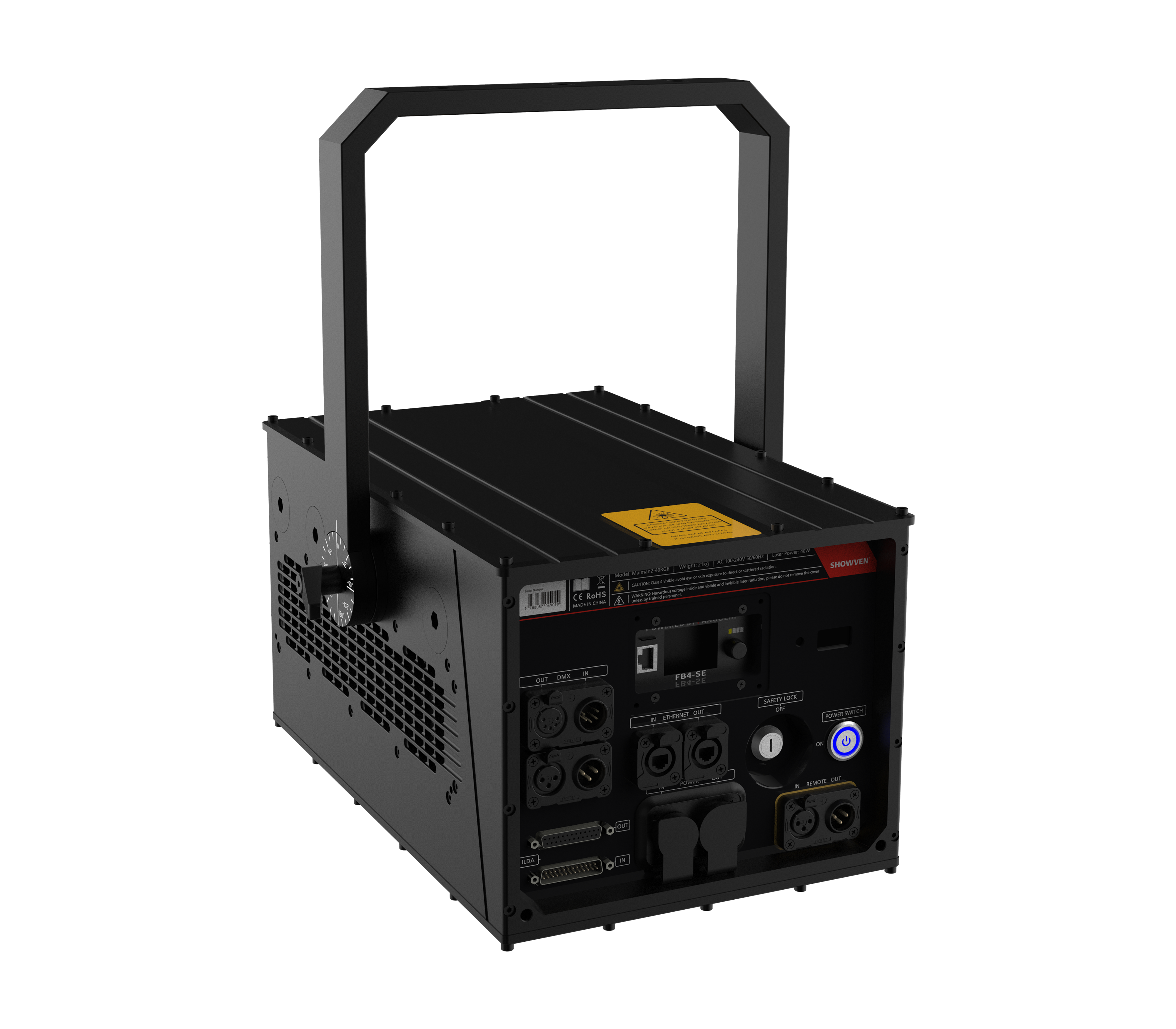
Let’s keep it practical with three checks you can use on any brand. First, validate thermal design under load: ask for measured diode temps, not just “it runs cool,” and confirm the IP rating with live spray and cooldown cycles. Second, assess scan quality and safety: look for clean acceleration, documented divergence, and compliance with IEC laser standards. Third, review maintainability: field-swappable fans, clear error codes, and a parts pipeline that won’t stall your season. In short, choose designs that respect physics and your schedule. The result is steady beams, stable colour, and less overtime. That’s the lesson, and it adds up fast. For a balanced view and more technical detail, see Showven Laser.