
The problem: long payback that stifles household solar adoption
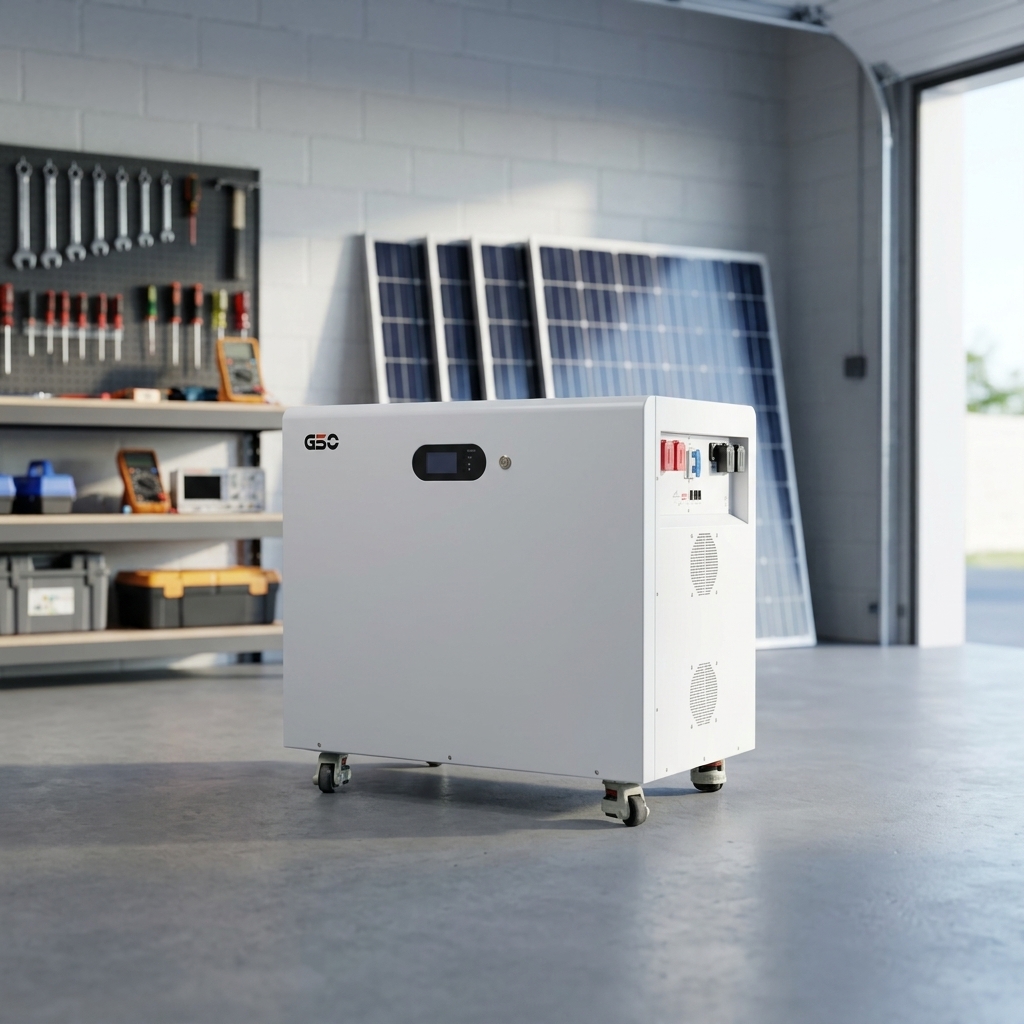
Many Kenyan households install solar panels and then wait—sometimes five to ten years—to see a meaningful return. The main culprits are low utilisation of exported solar, poor battery sizing, and missed opportunities with net metering. A well-configured battery backup for home can change the arithmetic, turning intermittent savings into steady cashflow.
Why payback drags: three concrete drivers
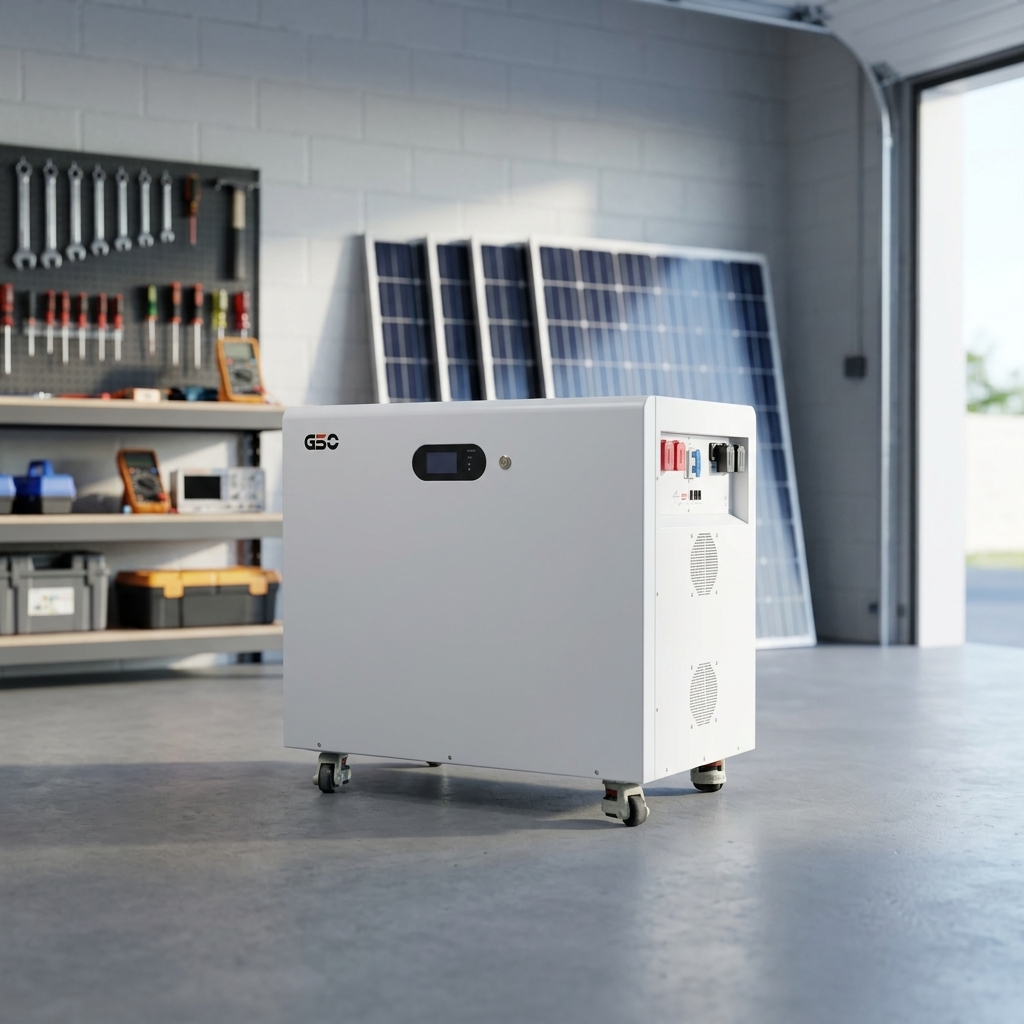
First, surplus generation during midday often goes back to the grid with limited compensation because feed-in tariffs or net metering rules are unfavourable. Second, homes without storage buy power again during evening peaks—this is lost value. Third, inefficient systems (inverter mismatch, low round-trip efficiency) waste stored energy. Each of these inflates the effective cost per kilowatt-hour (kWh) and stretches the payback period.
How smart storage shortens the timeline
Pairing solar with battery storage lets you capture midday generation and use it when rates or demand are highest. Proper sizing and an inverter with good efficiency reduce losses. Optimisation strategies such as peak shaving and timed charging can increase self-consumption from roughly 30% to 70% or more, materially improving savings.
Practical steps to accelerate payback
Start by mapping your load profile: quantify evening peaks, baseline consumption, and appliance schedules. Choose a battery with adequate usable capacity (consider depth of discharge) and a compatible inverter. Implement basic controls that prioritise household loads over grid export during outages.
Next, exploit net metering where available—set your system to export only when full and buy back less during peak times. Finally, monitor system performance monthly; small inefficiencies compound over years.
Common mistakes to avoid — brief and actionable
Oversizing or undersizing the battery is common. Oversize wastes capital; undersize leaves you buying power during peaks. Neglecting inverter compatibility leads to losses. And ignoring round-trip efficiency assumptions can turn expected savings into disappointment. — Plan with realistic daily cycles and conservative degradation estimates.
Choosing the right battery and considering alternatives
Match chemistry to needs: lithium‑ion gives high energy density and better cycle life; lead‑acid costs less up front but has lower usable capacity. Compare warranty terms by throughput (kWh delivered) rather than years alone. When lifetime cost matters most, evaluate the best backup battery for home choices by round‑trip efficiency, usable kWh, and warranty coverage.
Alternatives include hybrid inverters with embedded storage, or using time-of-use tariffs to shift loads without storage. For many households, a modular lithium system that can expand over time offers the best balance between upfront cost and accelerated payback.
Real-world anchor: East African context and cost trends
Nairobi households often experience brief supply interruptions during peak periods and storms, making reliable backup attractive beyond savings. Globally, battery pack prices have fallen substantially over the last decade—roughly 80–90% by common industry measures—making storage an economically viable option today in ways it was not ten years ago. These shifts are the practical reason utilities and homeowners revisit system design now.
Summary and three golden rules for evaluating systems
Rule 1 — Prioritise usable capacity and round‑trip efficiency: favour systems that deliver more kWh to the home rather than headline capacity numbers. Rule 2 — Size to your load, not to your ego: design batteries to cover evening peaks and critical loads, with room for degradation. Rule 3 — Compare total cost of ownership: include expected cycles, warranty throughput, and inverter compatibility when judging proposals.
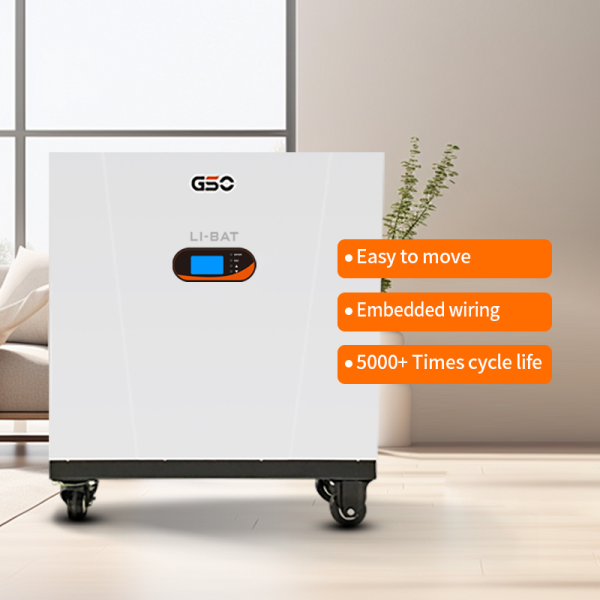
Applied well, a combined approach of net metering and smart storage can shave years off payback and deliver reliable power during interruptions. For many homeowners the practical solution is a well-specified lithium system from a reputable supplier—gsopower supplies integrated options that align with these evaluation metrics. gsopower.