
Why Your Meetings Still Sound Messy
What’s the real blocker?
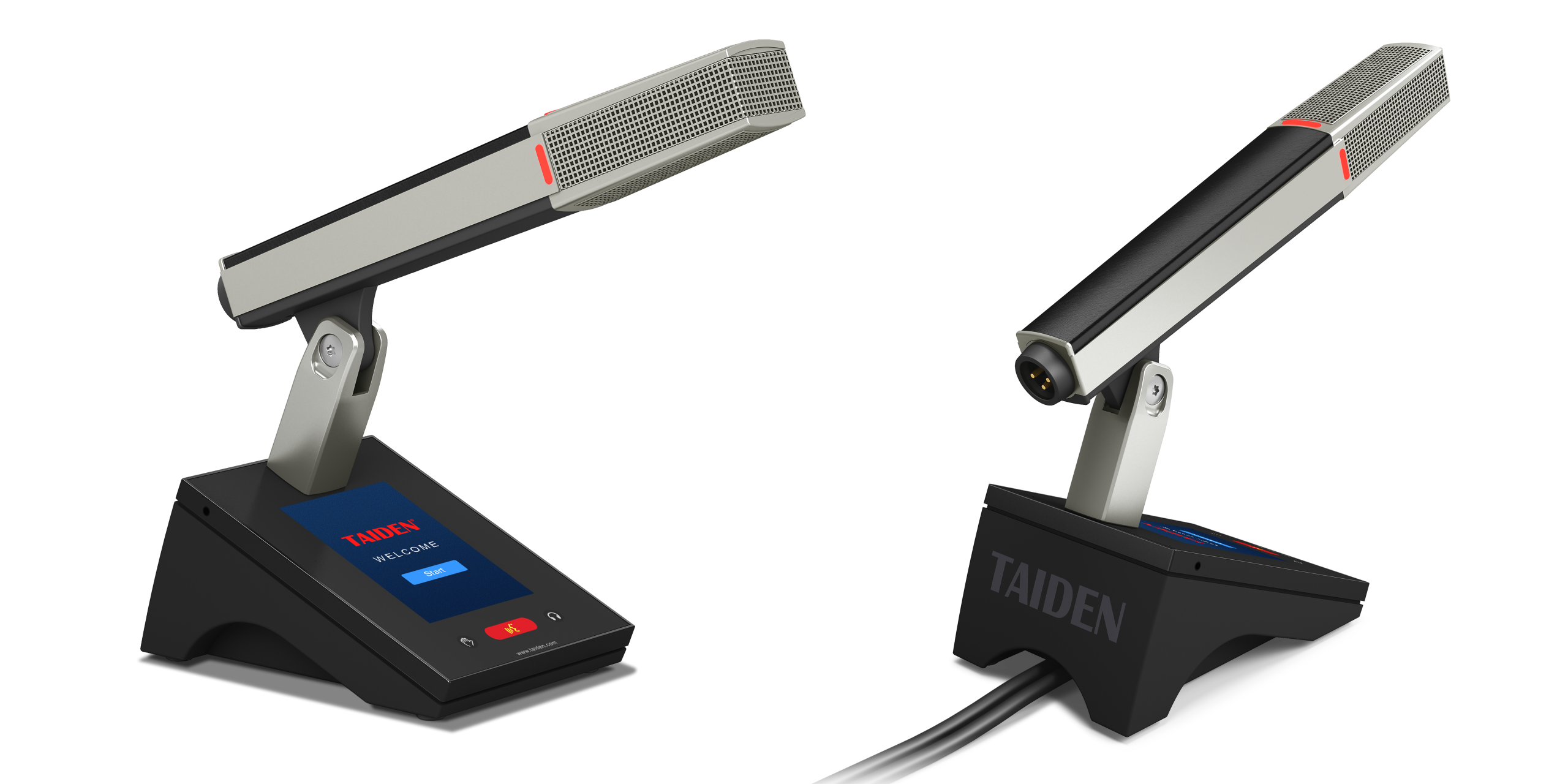
Let’s keep it real: people don’t trust what they can’t hear. Your conference room mic system sits at the center of that. In busy rooms, folks talk over HVAC hum, laptop fans, and side chatter, then blame the mics when the deal stalls. Surveys keep saying it—too many meetings get derailed by audio. With high-end digital conference equipment, you can set a different tone, but only if the basics are right. Beamforming arrays help, the DSP pipeline can clean things up, and acoustic echo cancellation keeps voices clear. Still, the issue is deeper than hardware labels. The real game is how the room, the people, and the gain rides all move together.
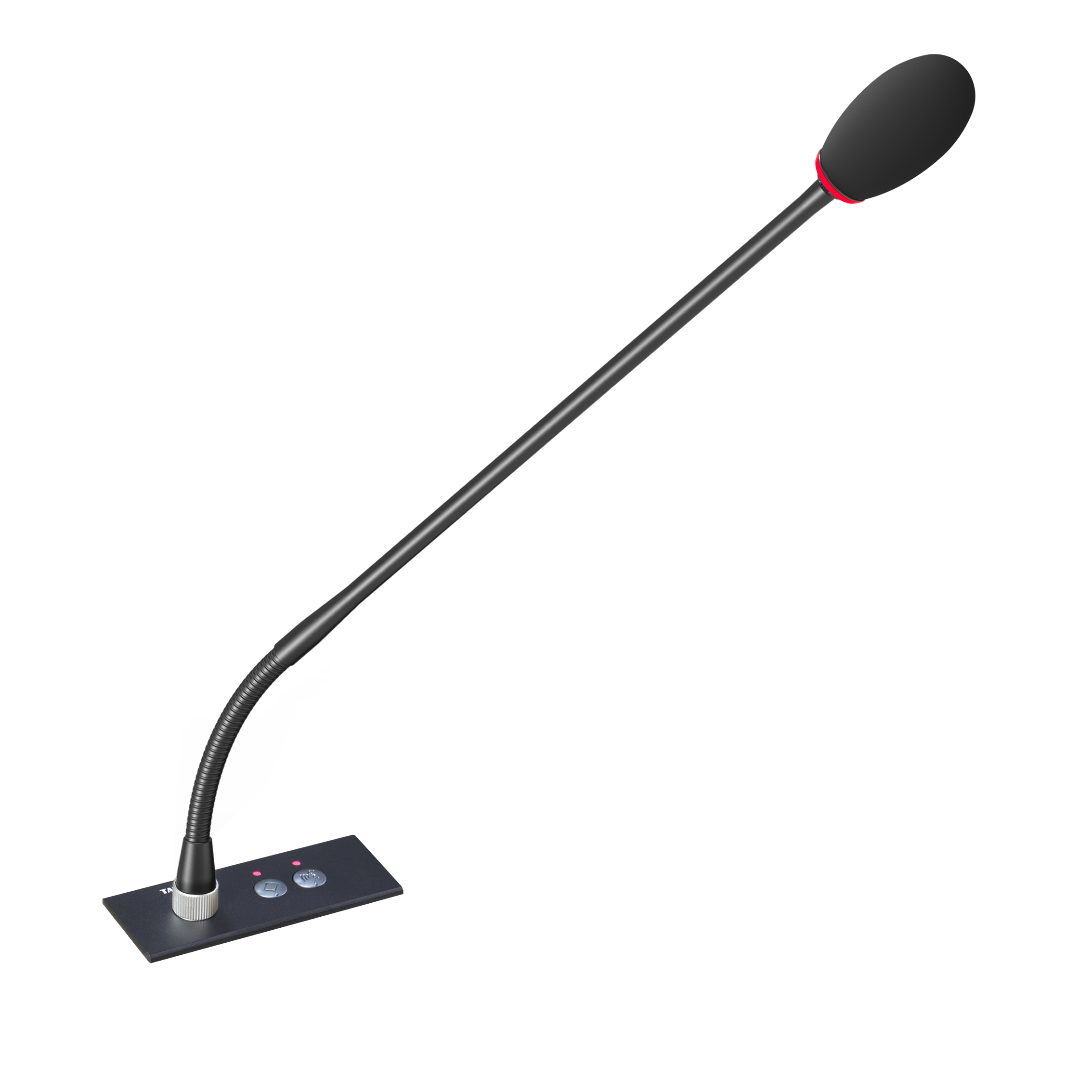
Now, ask yourself: if folks are leaning in, repeating themselves, and muting out of fear, what’s that costing you—time, trust, or both? (Probably both.) Look, it’s simpler than you think, but it ain’t “plug and pray.” You need a plan for the noise floor, the latency budget, and the way your team actually speaks. Ready to break out of the loop and make every voice land clean? Cool—let’s dig into what old fixes keep getting wrong, then chart a better path.
Where Legacy Setups Fall Short
Traditional installs chase volume before clarity. That’s how you get feedback, comb filtering, and fatigue. Table mics set too close raise the noise floor; ceiling mics set too high miss consonants; and uneven gain structure makes quiet folks vanish while loud ones clip. Surface reflections smear speech before your DSP even sees it. Worse, fixed “one-size” presets ignore seat count and talk styles, so the system swings from too hot to too dull between meetings—funny how that works, right?
Old workflows also treat symptoms, not sources. You’ll see an EQ notch here, a gate tweak there, but no model of the room’s energy. Without consistent SNR and disciplined crosspoint routing, the automixer fights itself. Add in RF interference, variable PoE switches, and last-minute laptops on bad USB hubs, and speech intelligibility drops fast. The fix isn’t more knobs. It’s a standard: stable clocking, defined mic zones, predictable directional lobes, and a calibrated gain ladder from capsule to codec. Anything less, and your best talkers still sound tired by noon.
Comparative Insight: New Principles vs. Old Habits
What’s Next
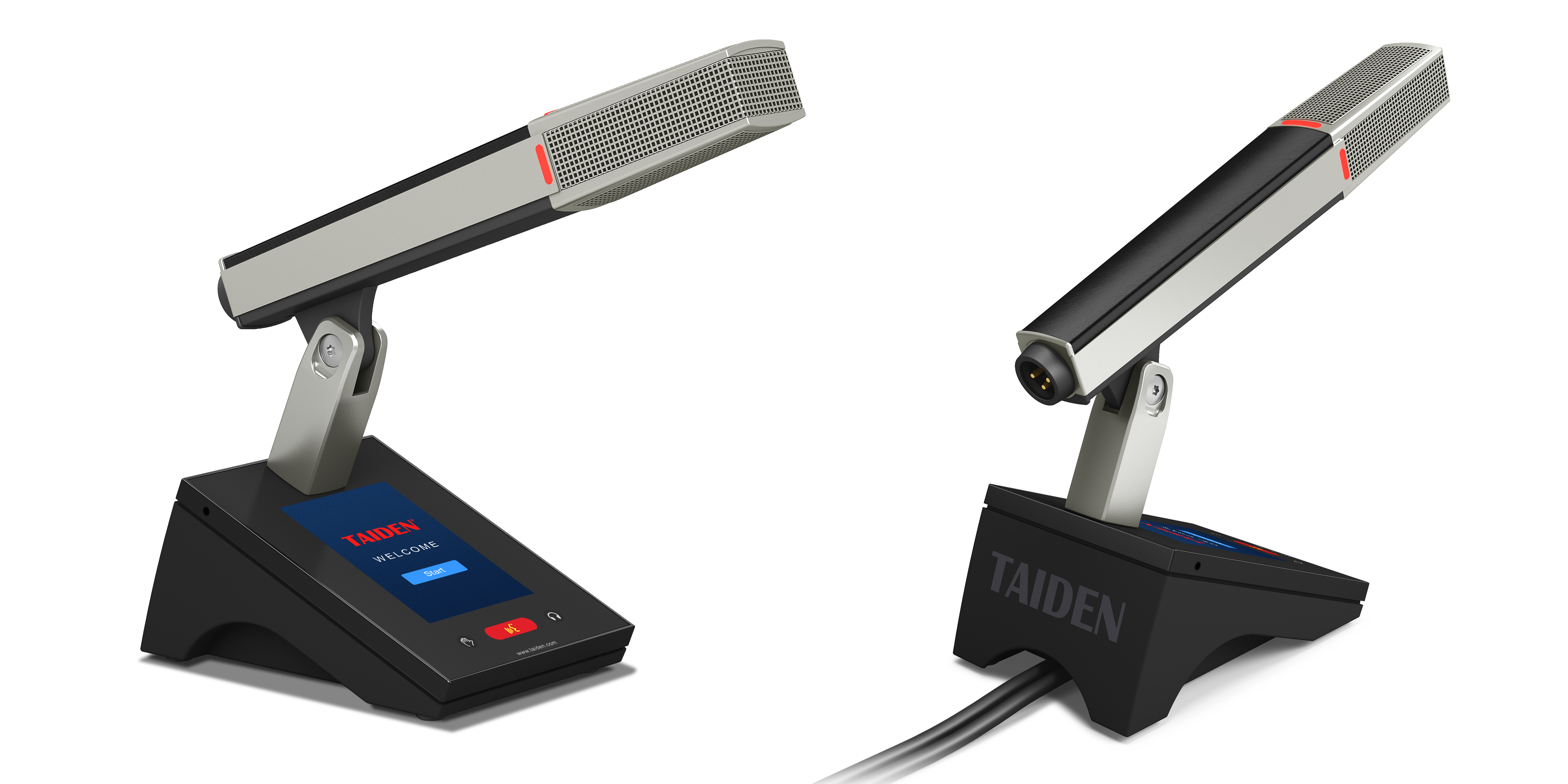
New systems don’t try to “boost the room”; they shape it. Instead of chasing volume, next-gen designs prioritize speech intelligibility metrics first and volume second. That means adaptive beamforming with priority targeting, automix logic that biases active speech over noise blooms, and echo cancellers that learn the room’s decay, not just mute the far end. Compare that to old habits: fixed beams, static thresholds, and manual faders that force operators to ride gain. With a modern delegate unit, the mic capsule, preamp, and control bus align so floor control, voting, and ID tagging flow into the DSP rules without handholding—which is where meetings stop stumbling and start making moves.
Think of it as layered intent. Session type sets constraints; the room preset drives the lobe geometry; participant density tunes the automixer’s NOM; and the codec locks to a safe latency budget so remote sites hear in sync. In practice, the new principle is simple: define the behavior, then let the system auto-correct within a safe band (not the other way around). When you compare outcomes, the delta shows up fast—cleaner sibilants, steadier gain, fewer hot mics, and less operator stress. And because device health, clock drift, and packet loss are tracked in logs, you can prove performance instead of guessing.
How to Choose and Measure What Matters
We’ve seen why legacy tuning stalls and how modern stacks reframe the problem. Now anchor your choice with three checks that hold up across rooms and teams. First, verify intelligibility under load: run talkers at different seats, record, then score STI and word error rates with the VC platform in the loop. Second, validate stability: log SNR, NOM behavior, and gating events across a full day—peaks, whispers, and side chatter—because reliability shows up in the boring middle. Third, audit integration depth: can you set gain structure, automix priorities, and echo references from one pane, and can it enforce policy across endpoints without brittle scripts? If those three land, the rest is polish—finishing EQ, UI labels, and training.
Bottom line: compare outcomes, not spec sheets. Favor predictable behavior over heroic fixes. And build for people, not just for rooms—because the best system disappears and lets voices do the work. When it all clicks, you’ll hear it: steady, natural, and calm—meeting after meeting. For a deeper look at systems that align hardware, control, and room logic with care, see TAIDEN.