
Why this comparison matters in practical networks
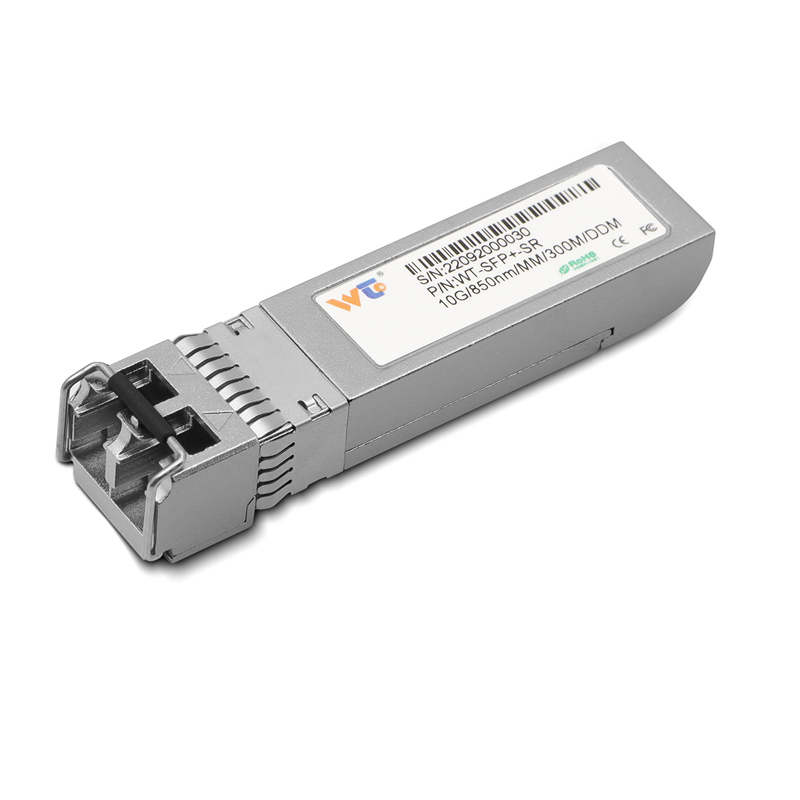
Operators choosing between coarse and dense wavelength approaches make decisions around cost, capacity and future growth; those choices shape network economics for years. In Kathmandu or in large metro builds like London and New York, the push to densify fiber brought clear trade-offs: CWDM is simpler and cheaper, DWDM scales far beyond basic needs. For teams buying modules, a reliable supplier matters—consider a ready stock of 10g sfp+ transceiver when planning upgrades.
Operational differences: a practical teardown
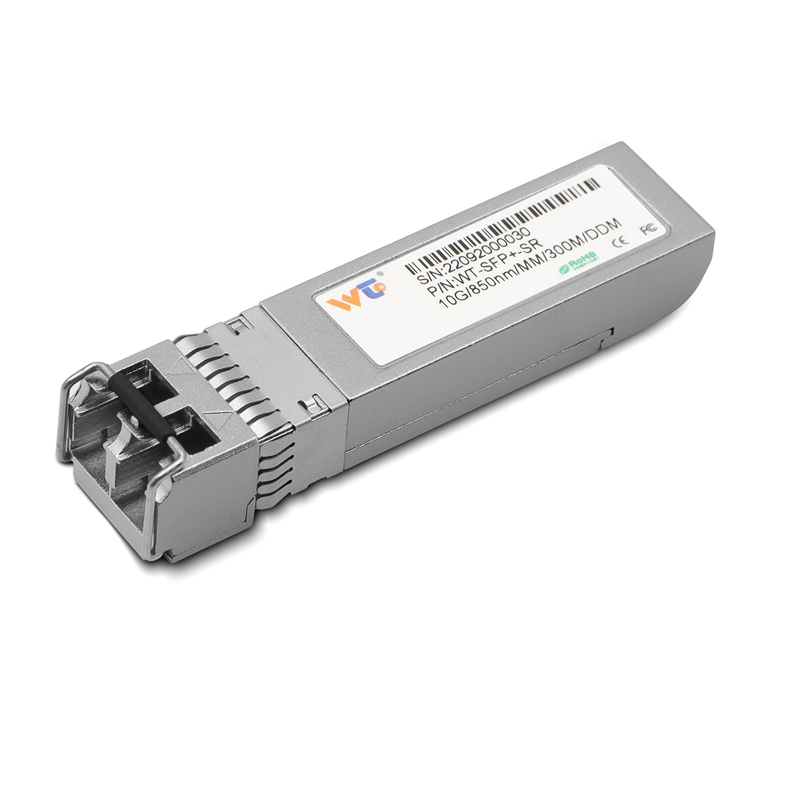
This section runs a short operational production teardown that shows where the two families diverge. CWDM uses wider channel spacing (typically 20 nm) and fewer wavelengths, so it reduces cost of MUX/DEMUX and cooling. DWDM packs many channels closely (usually 0.8–1.6 nm spacing), requiring tighter wavelength control, higher OSNR, and more precise lasers. In day-to-day procurement you will compare the 10g sfp+ transceiver variants and the 10g ethernet transceiver options to match wavelength plan, connector type and supported link budget.
Key technical touchpoints in deployment
Focus on a few measurable parameters rather than marketing claims. Optical budget (loss tolerance), wavelength stability, and required amplification define feasibility. CWDM often avoids amplifiers on short metro links because its lower channel count and simpler optics keep cost and power down. DWDM commonly needs EDFAs and tighter temperature control to meet OSNR targets across many channels. For fibre runs with significant attenuation or long spans, DWDM is generally the pragmatic choice.
Use cases and trade-offs
CWDM is well-suited to campus links, short metro rings, and brownfield upgrades where budget matters and future capacity needs are modest. DWDM fits backbone links and service-provider rings where dozens of 10G client channels are required. A real-world anchor: during metro DWDM rollouts in major cities in the 2010s, carriers selected DWDM to support dense wavelength multiplexing for diverse services, not merely for immediate capacity. The capital and operational cost difference is measurable—DWDM requires more precise wavelength management and often more sophisticated MUX/DEMUX modules.

Common mistakes and realistic alternatives
Teams often buy transceivers without matching the wavelength plan or ignoring temperature specifications—this leads to broken links and wasted spend. Another frequent error is assuming colour coding (labels) alone ensures compatibility; always verify central wavelengths and vendor tuning ranges. Alternatives include using wavelength-selective switches, upgrading to tunable SFP+ transceivers, or employing hybrid approaches where CWDM carries initial channels and DWDM overlays future growth—this staged path keeps near-term costs low but allows scaling.
Operational checklist — what to verify before purchase
• Confirm connector type and fibre mode (single-mode for both CWDM/DWDM).
• Check the transceiver wavelength tolerance and tuning range relative to your MUX/DEMUX.
• Verify calculated optical budget against measured span loss and include margins for ageing and repairs.
Advisory: three golden rules for selection
1) Match capacity to realistic growth projections. Buy DWDM only when projected channels justify the extra complexity. 2) Prioritise tested optical budget margins—document measured loss and include 2–3 dB extra for margin. 3) Choose tunable or vendor-compatible transceivers to avoid lock-in and ease inventory management.
These rules let teams translate vendor specs into operational outcomes with fewer surprises—WINTOP’s availability of modular 10G parts simplifies matching parts to real link needs. –
Choose carefully, measure deliberately, and your network will deliver predictable service—WINTOP. –