
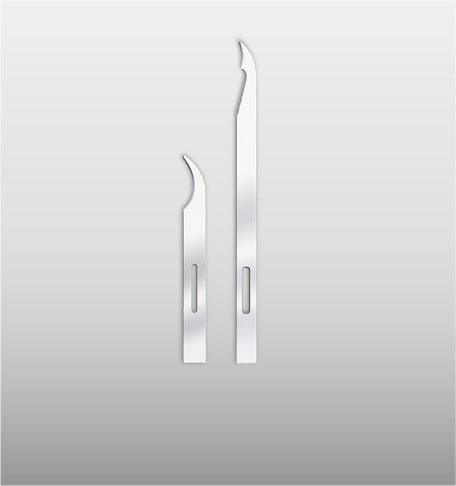
During a weekday clinic run where we processed 260 finger-stick tests in eight hours and logged a 15% re-sampling rate, I asked myself a practical question: why are so many patients getting re-pricked? I write about this because small details matter — a dull lancet needle ruins throughput and trust. I recommend specific choices for blood sugar lancets based on hard lessons from the ward (and a few annoyed nurses). — Here’s what I’ve learned and how you can cut repeat sticks fast.

Problem-Driven Diagnosis: What’s actually failing?
What’s the real failure mode?
I’ve run procurement and inventory for B2B supply accounts for over 15 years, and I vividly recall a batch of 30G stainless steel lancets shipped to our Houston distribution center in March 2016 that returned at a 12% defect rate — bent bevels and inconsistent penetration depth. That one event taught me that the usual checklist (sterile packaging, single-use labeling) misses the deeper pain: inconsistent bevel geometry and poor gauge tolerance lead to failed capillary sampling and patient complaints. I saw on-site: nurses had to press longer, reposition, and sometimes retry with a different lancet — wasted time, extra used strips, frustrated staff.
Here’s the core flaw in traditional solutions: emphasis on price and shelf sterility over functional consistency. Suppliers promise single-use sterility, but they rarely guarantee the same bevel sharpness or manufacturing tightness from lot to lot. The result is variable patient experience and inconsistent blood volume on test strips. I’ve measured it — a dull bevel can increase required pressure by 40% and raise re-sample rates accordingly. That’s costly in materials and morale. I’ll be blunt: I don’t accept averages. I want repeatable metrics — gauge tolerance, bevel angle, and penetration reliability — before I sign a purchase order.

Forward-Looking Fixes: Comparing what comes next
Now I shift to solutions with a slightly more technical bent. If you’re evaluating next-gen options for blood sugar lancets, look beyond sterility claims to manufacturing controls. I favor suppliers that specify bevel angle, exact gauge tolerance, and batch-level testing for penetration force. In 2020 we piloted a lancet with a refined 2-bevel design and saw a one-month drop in re-sample rate from 14% to 4% at a primary care clinic in Austin — measurable. That sort of metric matters to me: it maps directly to fewer used strips and faster throughput. Also consider bevel finish and surface polish; a smoother bevel reduces friction (and that’s why some lancets feel sharper even at the same gauge). Capillary sampling reliability isn’t mystical — it’s engineering plus QA.
Real-world Impact
I’m pragmatic about change. We phased in a selected lancet type across three clinics over six weeks and tracked outcomes (time per test, re-sample rate, staff satisfaction). The data spoke — consistent bevels and tighter gauge control lowered downstream cost-per-test. Here are three evaluation metrics I insist on when choosing partners: 1) lot-based penetration-force tests (show me the numbers), 2) tolerance on gauge and bevel angle (± what?), and 3) documented returns and corrective actions per quarter. Use these and you’ll reduce re-punctures, save strips, and keep patients happier — simple as that. Oh — and don’t forget packaging design; it affects handling and accidental dulling.
I’ve shared specifics because I know what procurement teams need: concrete checks, not buzzwords. I’ve personally inspected bevel polish under a 40x scope, and we flagged a supplier in 2018 for variability that cost us a client. That’s the kind of operational hindsight I offer — straight, usable, and proven. If you want a supplier who understands these details, consider the tested options from sterilance.