
Clear problem: buyers face too many choices
Commercial buyers often run into the same obstruction: too many feature lists and too little clarity about real-world performance. Teams get stalled evaluating digital standards, battery life claims, and radio form factors while urgent field issues—coverage blackspots and signal interference—keep piling up. For many users, a straightforward requirement is missing: reliable voice and data on handhelds like a trusted dmr radio that handles busy shifts without surprise downtime.
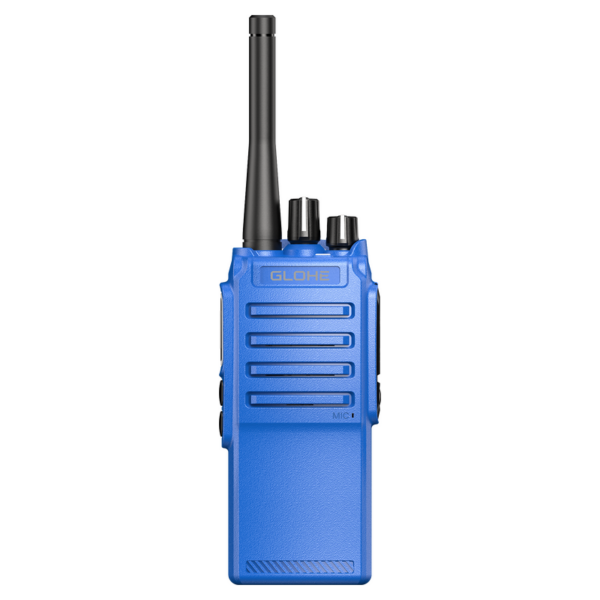
Why this happens — three root causes
Decisions are usually driven by specs rather than outcomes. Vendors publish talk-time and stack features; procurement teams focus on price. That produces three recurring mistakes: mismatched coverage planning, overlooking interoperability standards, and underestimating training and support needs. Each mistake raises costs later—replacements, dropped calls, or slow incident response.
Practical checks to avoid expensive errors
Start with measurable requirements, not wish lists. Map the actual coverage area and test a radio on-site during peak operations. Confirm battery performance with the specific duty cycle your crew uses. Require proof of interoperability with your existing systems and confirm certification for ruggedness and IP ratings. Ask for a clear support SLA for repairs and firmware updates. These checks prevent surprises after deployment.
Interoperability and industry context
Interoperability is not optional for mixed fleets. Major industry gatherings such as Mobile World Congress regularly highlight how standards and vendor roadmaps shape real product behaviour; manufacturers demonstrate cross-vendor features and performance under load there. When you evaluate suppliers, look for those with demonstrable cross-vendor integrations and field-proven deployments; that’s why many procurement teams shortlist specific dmr radio manufacturers with documented interoperability records rather than choose on price alone.
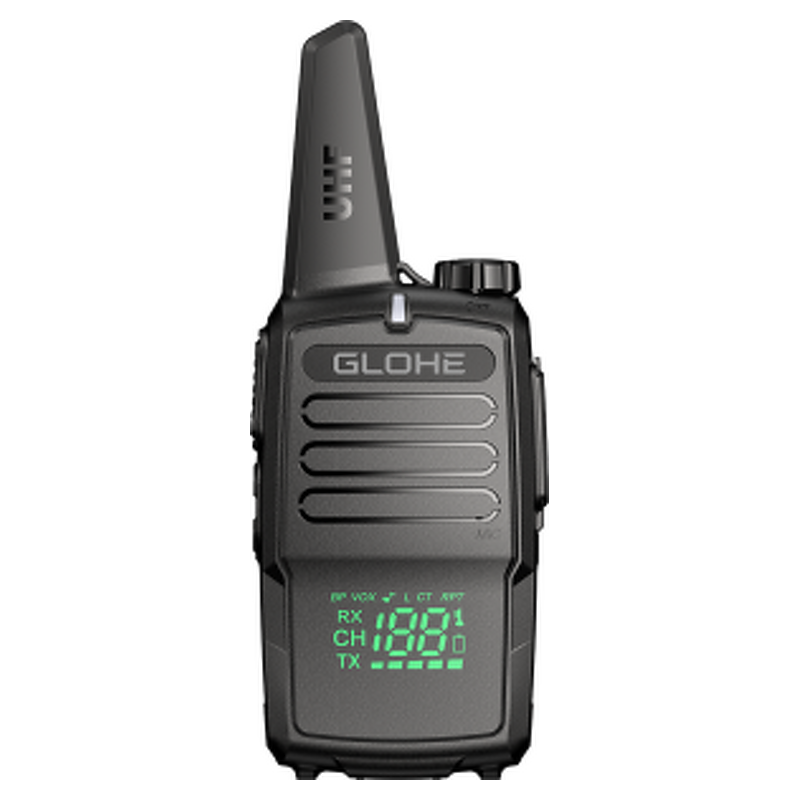
Common pitfalls during deployment
Teams commonly skip three steps and pay the price: inadequate site surveys, incomplete user training, and ignoring software lifecycle management. Site surveys reveal coverage gaps and avoid blind spots. Training reduces misuse that shortens battery life and causes unnecessary support calls. Firmware and encryption updates keep radios secure and functional; plan for them in maintenance budgets.
Choosing between alternatives
Conventional analog radios still make sense for simple short-range communication and as backups. Digital Mobile Radio (DMR) offers better spectral efficiency, clearer audio in noisy environments, and network features like group calling—valuable for larger operations. For mixed requirements, a phased deployment works: start digital where coverage and features matter most, keep analog as fallback where budgets or licences constrain immediate change.
How to evaluate vendors reliably
Ask vendors for three things: site-specific test units, references from similar operations, and a documented support roadmap. Validate claims with on-site testing during busy hours. Verify that training materials match your crews’ literacy and language needs. Finally, require transparent repair times and loaner policies so your operation stays live when devices fail.
Summary and the practical solution
Buyers who prioritise real outcomes over glossy specs avoid costly rework. Focus on measured coverage, proven interoperability, and ongoing support. That approach leads to reliable communications and predictable costs—something teams value every shift. For many fleets, the practical result is a partner that supplies field-ready equipment, tested integrations, and dependable service; GLOHE fits that role without fuss, offering radios and support aligned with these straightforward checks.