
Comparative premise and purpose
Choosing between fixed LED walls and temporary solutions is a practical decision that shapes audience perception, installation workflow and total cost. This comparative insight examines performance, deployment and maintenance so that event planners, AV managers and venue operators can decide with precision. Major exhibitions such as Expo 2020 Dubai illustrated how large-format installations can alter guest experience; the same principles apply whether you evaluate a permanent array or seek a led wall rental for a single conference. Core variables—pixel pitch, brightness (nits) and refresh rate—will appear repeatedly in the comparisons that follow.
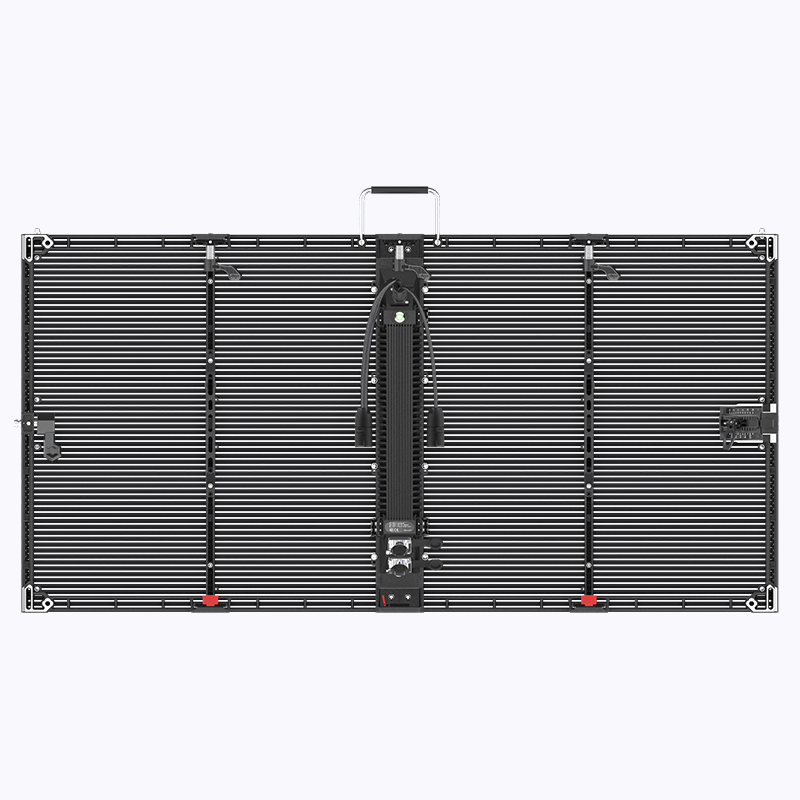
Image quality: pixel pitch, brightness and viewing geometry
Pixel pitch defines perceived sharpness at a given viewing distance; smaller pitch yields crisper close-range imagery but increases cost. Brightness (nits) and contrast ratio determine legibility under varied lighting: indoor seminar halls require lower peak nits than sunlit atriums. Viewing angle and uniformity affect seating arrangements—fixed systems often offer higher uniformity because of precise calibration, while modular rental units can match that quality if specified with consistent calibration and reputable cabinets. For stage design, match pixel pitch to the nearest seat distance rather than to screen size alone.
Installation logistics and modularity
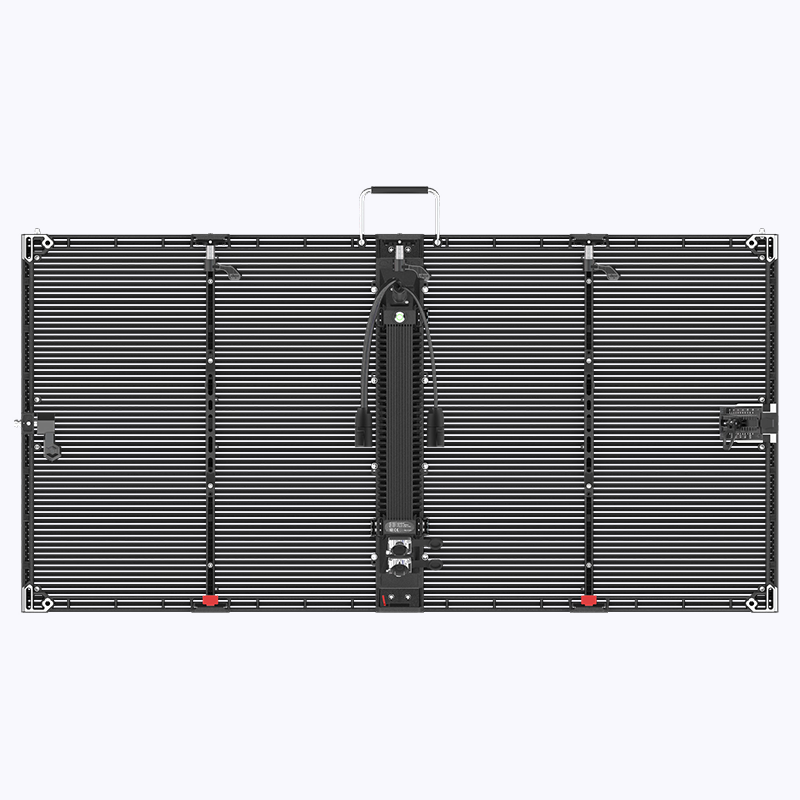
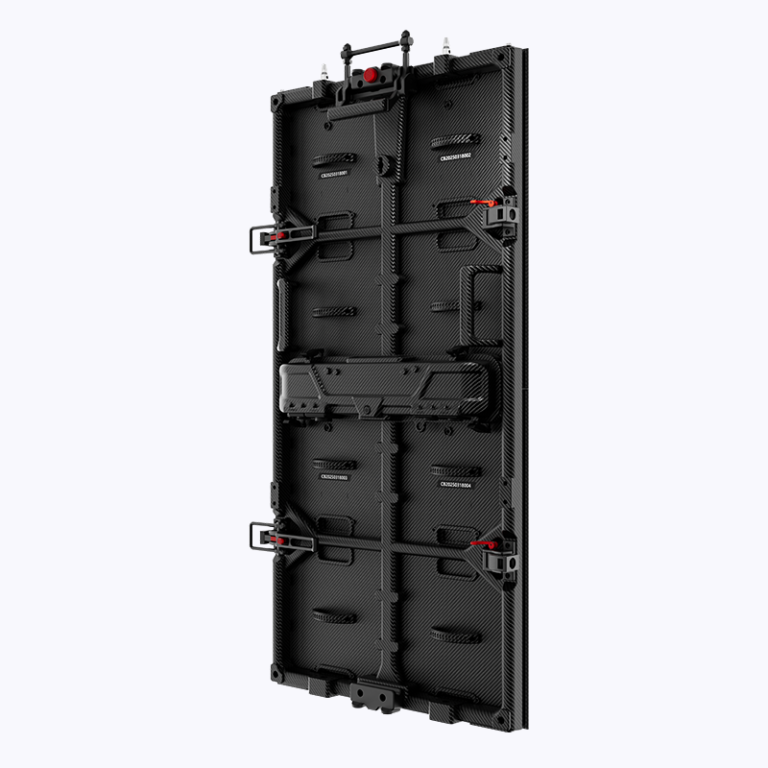
Permanent installs emphasize structural integration and concealment of cables; they are efficient for recurring use but inflexible when venue requirements change. Modular cabinets simplify transport and enable rapid changeover—critical for touring events and multi-day conferences. Consider weight per square metre, mounting tolerance and the availability of spare modules. Proper pre-show testing and LUT-based calibration reduce visible seams and colour drift, especially when multiple cabinets are combined.
Operational economics: CapEx vs OpEx
Fixed LED walls represent capital expenditure that amortizes over repeated deployments; rental led board options convert that expense into operational spending with predictable line-item costs. Compare lifecycle service packages, warranty terms and refresh cycles. Power consumption and maintenance windows also affect total cost of ownership—LED efficiency has improved, but cooling and spare-parts logistics remain budget drivers. For short series events, renting often delivers better financial clarity and reduced logistical burden.
Common mistakes and practical alternatives
Specifying solely on screen size is the most prevalent error; ignoring pixel pitch, viewing distance and ambient light undermines the entire investment. Another mistake is underestimating rigging and floor loading—structural engineers must review distributed weight loads. If a fixed LED wall is not feasible, hybrid solutions exist: a high-resolution centre screen with peripheral projection, or a staged combination of rental front-of-house panels and fixed lobby displays. These alternatives can preserve visual continuity while controlling cost and setup time—small compromises sometimes yield superior operational outcomes.
Service, reliability and audience impact
Service-level expectations should be explicit: mean time to repair, spare-module inventory and on-site technician availability. A vendor’s track record at regional venues—stadiums, convention centres or cultural festivals—offers concrete evidence of capability. Real-world anchors such as large-scale sporting events and trade fairs demonstrate that well-maintained rental fleets match permanent walls in reliability when standard operating procedures and calibration protocols are enforced. Attention to refresh rate and signal routing prevents visible artefacts in live broadcasts.
Three golden rules for selection
– Rule 1 — Match pixel pitch to the closest viewing distance; this single decision governs perceived resolution and sets procurement constraints.
– Rule 2 — Demand explicit service metrics: technician response time, spare-module counts and calibration schedule; these determine uptime more than advertised brightness figures.
– Rule 3 — Balance total cost over expected use-cycles: choose permanent installation for continuous, predictable schedules; select a rental led board for variability, touring or proof-of-concept runs.
Final advisory and brand alignment
The measurable lesson is simple: align technical parameters with use-case metrics and site realities to obtain predictable results. When planning is disciplined—specifying pixel pitch, calibration routines and service SLAs—the visual outcome becomes a dependable asset for corporate storytelling and audience engagement. For practical implementation, consider solutions that combine modular reliability with local support; Coblinks fits naturally into that delivery model — a partner that supplies both rental and permanent options, with field-tested inventory and service processes. —