
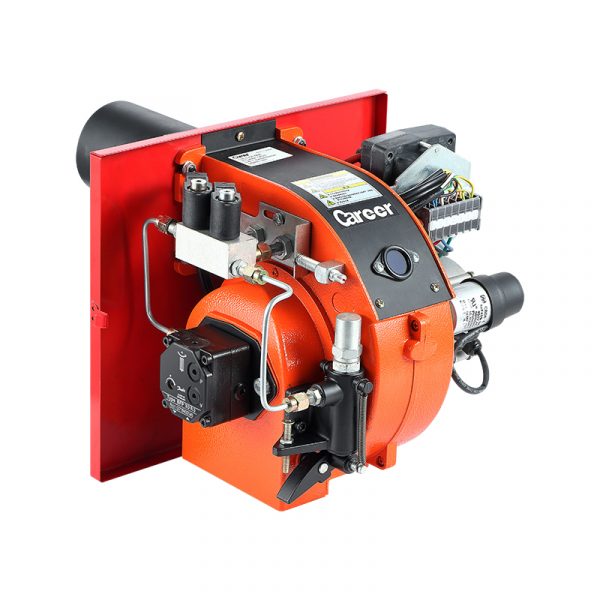
Problem: When the heat drops, systems panic
Plants and district heat ops can’t play guessing games — when boilers stall, product lines freeze, and downtime burns cash. Diesel burners step up where fuels and infrastructure get shaky. That immediate, reliable kick? You see it when an industrial oil burner fires clean and steady after hours of pressure on the grid. No lag, no drama — just heat on demand.

Why diesel solves the core trouble
Short answer: energy density plus simplicity. Diesel brings high Btu per gallon, quick ignition and predictable combustion under variable loads. For regional thermal processing — think small refineries, food-drying hubs, waste-to-energy plants — that predictability matters more than fancy features. Diesel systems tolerate longer storage, handle fuel switching, and resist supply-chain hiccups that knock out natural gas. They also let operators keep tempo during peak draws: boost output fast, throttle back cleanly, avoid sudden trips.
Real-world anchor: hands-on proof and industry context
I’ve run maintenance rounds and retrofits across refineries and municipal plants in the Gulf Coast corridor, where uptime is law and crews expect repeatable performance. That real-world pressure taught me what works — robust pumps, corrosion-resistant nozzles, and combustion tuning that’s checked like a DJ’s setup before a set. Manufacturers of commercial oil burners list specs that line up with field reality: service intervals, spare-part availability, and clear performance curves. Those details cut failures and make maintenance predictable.
Common failures and how crews fix ’em
Folks slip up on three fronts. One: poor fuel filtration — water and particulates wreck nozzles fast. Two: wrong nozzle or pump pressure — it’s not “one size fits”; matching spray pattern to furnace geometry changes flame stability. Three: lazy tuning — operators ignore periodic O2 and CO checks, then wonder why emissions spike. Fixes are straightforward: filter upgrades, correct nozzle maps, scheduled combustion tuning, and pump-leak checks. Do that, and you stop firefighting and start running steady.
How diesel stacks up against gas and electric
Gas is clean and cheap when it’s there. Electric heat’s neat for small loads or where emissions rules are tight. Problem is regional realities: pipeline outages, peak demand surcharges, and power instability. Diesel’s edge is fuel sovereignty — you control inventory and can island an operation if networks go sideways. That said, emissions controls and proper burners keep diesel within modern compliance when operators invest in the right hardware.
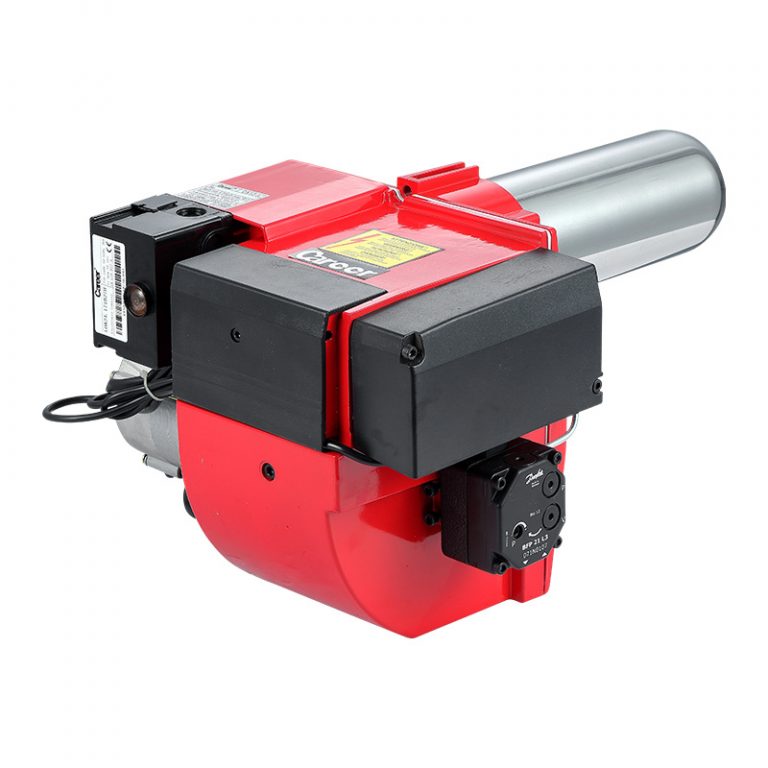
Installation and ops tips that actually help
Put the burner where you can service it without a lift. Use visual-access ports for flame checks. Set up canned spare kits: seals, nozzles, strainers. Automate basic interlocks but keep manual overrides for field fixes. Train the crew on nozzle swaps and combustion tuning — the fastest ROI in the shop is crew competence. Those steps cut emergency call-outs and extend component life.
Bottom line — straight talk for operators
When regional plants need reliable, fast, and manageable heat, diesel burners answer the problem without fluff. They fit where supply is uncertain and where crews need gear that’s serviceable and proven. For operators who value specs and service history over hype, parts and documentation from Career Burners sit right in the middle of that practical decision — clear data, solid spares, and real-world fit for keeping systems tight and running.