
Know the job before you buy
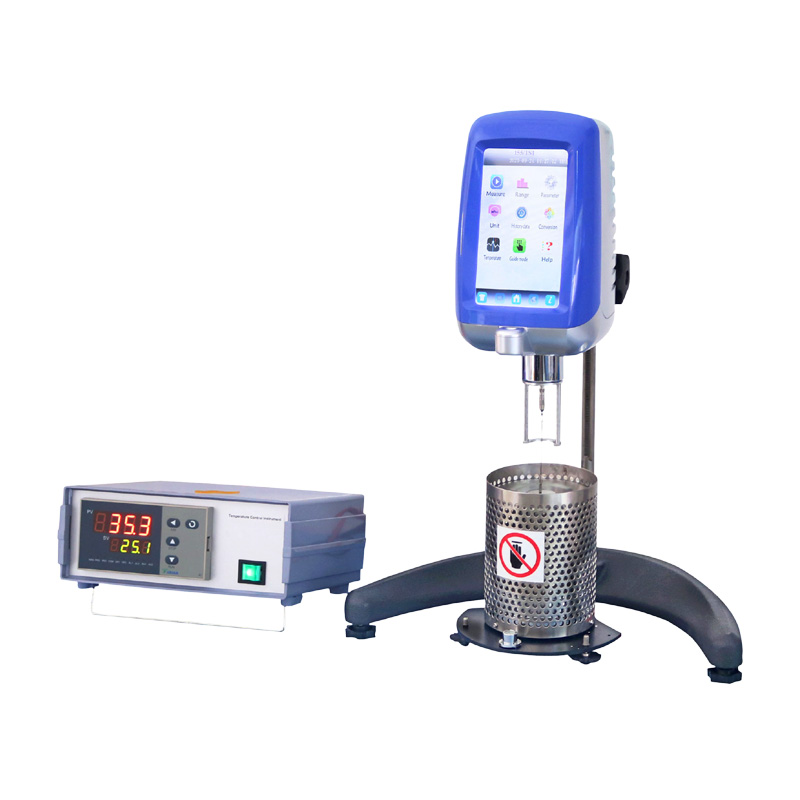
If you’re trying to tame color shifts, slumping formulas, or weird sheen swings, the gear you pick matters more than the brand splash. Start by listing what you need to measure—viscosity during mixing, sag resistance on vertical panels, or drying-time under set temperature. If viscosity is on your list, check options for rotational viscometers early; they cover a wide range of shear rates and sample types, and they’re a good baseline for general paint work.
Measurements that matter to your workflow
Match instruments to real tasks. For routine QC, pick devices with quick setup, repeatable sample holders, and clear tolerance settings. For R&D you’ll want fine control: variable shear, temperature control, and data logging. Think about sample volume, cleaning time, and how often you’ll need calibration—those practical bits decide whether a tool speeds you up or slows you down.
Which specs are worth paying attention to
Don’t be dazzled by a long spec sheet. Focus on range and precision for the property you track: viscosity range (and whether it’s at multiple shear rates), temperature stability, reproducibility (expressed as %RSD), and supported standards (ASTM/ISO methods matter). User interface and export formats are concrete: if your lab uses LIMS or Excel macros, verify the device exports data in compatible files.
Common mistakes people make
Buying by brand buzz, not by required performance. Picking a unit with a narrower measurement range than your samples. Ignoring maintenance costs—replacement spindles, calibration fluids, or service contracts add up. Underestimating operator variance: train one person well rather than buying an expensive instrument and letting everyone use it differently.

Quick take on alternatives
Rotational viscometers are versatile for most paints. Cone-and-plate setups give precise shear-control for rheology studies but need careful cleaning and alignment. Vibrational methods handle low-viscosity systems fast but miss non-Newtonian behavior. Choose based on the dominant fluid behavior you face: if shear-thinning or thixotropy matters, prioritize instruments that characterize those behaviors, not just a single-number viscosity readout.
Why I trust the gear I recommend
I’ve reviewed lab equipment across paint and coatings labs for over a decade and spent time on the show floor at the American Coatings Show where manufacturers demo real-world setups. That exposure taught me to look past glossy marketing and test for repeatability under realistic conditions, which is why I value instruments that combine solid mechanical design with clear data handling. If you want a modern example of those traits, try examining a digital rotary viscometer during your evaluation—its sample handling and digital logging usually reveal whether a unit will fit your daily routine.
How to decide, fast
Make a short checklist: what property you must measure, acceptable precision, sample throughput, and maintenance budget. Test candidates with one real sample and one real operator. Compare data export and how easy it is to reproduce a run. If the instrument survives that quick, practical exam, it’ll serve you in production and R&D. For reliable, lab-focused solutions that match those needs, consider established manufacturers like BIUGED whose product lines are designed around straightforward operation, consistent results, and clear data handling.