
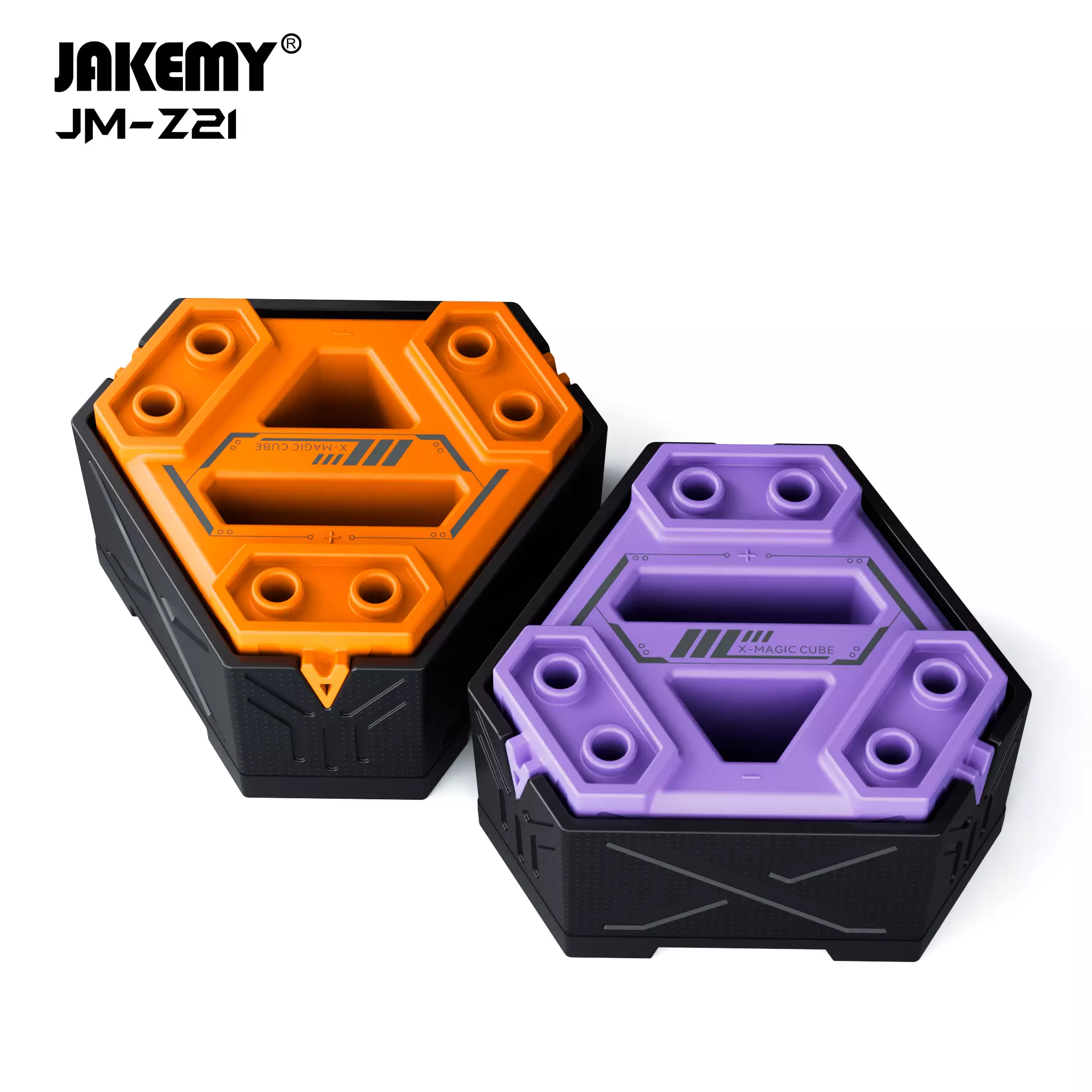
Why the support base is a political decision for repair pros
The choice of an ultrasonic cutter support base looks technical, but it’s a decision that shapes workflow, safety, and cost across a shop. Start with fit: a stable base that secures the cutter reduces micro-movements on a PCB and lowers the chance of heat damage when using a soldering iron nearby. For hands-on kits, check tools like the jakemy jm-8139 or a standardized hardware repair open tools set for compatible clamps and precision screwdrivers. The Right to Repair movement and iFixit’s repairability scores serve as a real-world anchor: shops that prioritize repairability also prioritize repeatable, safe fixtures over cheap, ad-hoc stands.
What to compare: stability, thermal isolation, and modularity
Compare three core attributes when assessing bases. First, stability: mass and base footprint reduce vibration and blade chatter. Second, thermal isolation: materials that resist heat transfer protect nearby components when using a heat gun or while touching up with flux. Third, modularity: can the base accept clamps, an ESD mat, or a precision microscope mount? Quick comparison list — within a paragraph for clarity:- Heavy alloy bases: best for vibration control, heavier and less portable.- Silicone-mounted platforms: good thermal isolation, limited rigidity.- Modular aluminum frames: strike a balance if you need attachments and repeatability.Treat each attribute as a voting block; argue for the one that serves your shop’s throughput and repair complexity.
Hands-on alternatives and what they give up
People often reach for improvised solutions: stacked PCB holders, glued blocks, or bench clamps. These work short term but sacrifice repeatability and can void warranties on delicate assemblies. The practical alternatives include dedicated commercial stands, bench vises with soft jaws, and purpose-built fixtures sold alongside ultrasonic cutters. Each alternative trades cost for control. For instance, a bench vise with rubber jaws is cheap but transmits heat into adjacent traces. Conversely, a purpose-built base will accept an ESD mat and keep stray currents away — essential when working on sensitive circuitry.
Common mistakes repairers make — and how to avoid them
Technicians often undervalue three issues until failure: inadequate ESD control, poor clamping force distribution, and skip-ahead thermal shielding. Fix the first by integrating an ESD mat and wrist strap; ignore that and one static discharge ruins a BGA. Next, distribute clamping pressure — point clamps can warp a PCB if they sit over a large cutout. Finally, use a thermal barrier when using a heat gun; a thin metal base is not enough. — Note: buy tools that match your tasks, not the cheapest visible option.
Operational teardown: matching tools to the base
In a controlled teardown, list the tools you will use: soldering iron, tweezers, flux, micro-screwdrivers, heat gun. Then match each to the base’s features. A base with a removable insert makes access for a soldering iron easier; a recessed tray keeps small fasteners from rolling away. During an operational production teardown, ensure the {main_keyword} is fixed and the {variation_keyword} is accessible; these are mechanical anchor points in a workflow diagram. A practical bench includes an ESD mat, a steady support base, and a mapped tool placement — that reduces mistakes and speeds diagnostics.
Quick specs that matter and a short checklist
When you test a candidate base, measure three things: runout/vibration under load, surface temperature transfer after a five-minute heat gun pass, and clamp repeatability across ten cycles. Use a small camera or microscope to verify that cuts remain square on the PCB. Checklist:- Vibration: < 0.5 mm peak-to-peak under cutter load- Thermal transfer: base surface rise < 10°C after 5 min at 300°C nearby- Repeatability: alignment shift < 0.2 mm after 10 clamp cyclesThese are practical numbers that produce predictable repair outcomes.
Advisory: three golden rules for choosing the right base
1) Prioritize modularity — choose a base that accepts ESD mats and clamps so your investment scales with tasks. 2) Demand thermal resilience — materials and inserts should buffer a heat gun and soldering iron; this preserves adjacent components. 3) Insist on repeatability — the base must return to the same alignment after multiple cycles, otherwise diagnostics slow to a crawl. These metrics cut procurement debate and focus you on tools that actually protect boards and technicians.
The right support base reduces rework, protects sensitive components, and integrates with reliable kits — and for many repair shops that means choosing equipment paired to dependable toolsets. — For straightforward, well-engineered fixtures and compatible tools, look to companies that build repair-first products and documented kits. Jakemy.