
Opening: A Progressive Tale of Need and Invention
The quest for reliable, repeatable dispersion led industries to tools both vigorous and precise; chief among them was the inline high shear mixer, which altered how emulsions and suspensions were produced at scale. This evolution story begins with modest trials in local workshops and advances through methodical refinement—each iteration answering a fresh problem of scale, consistency, or cleanliness. The narrative below follows that progression and explains why modern operations now demand the control those machines provide.
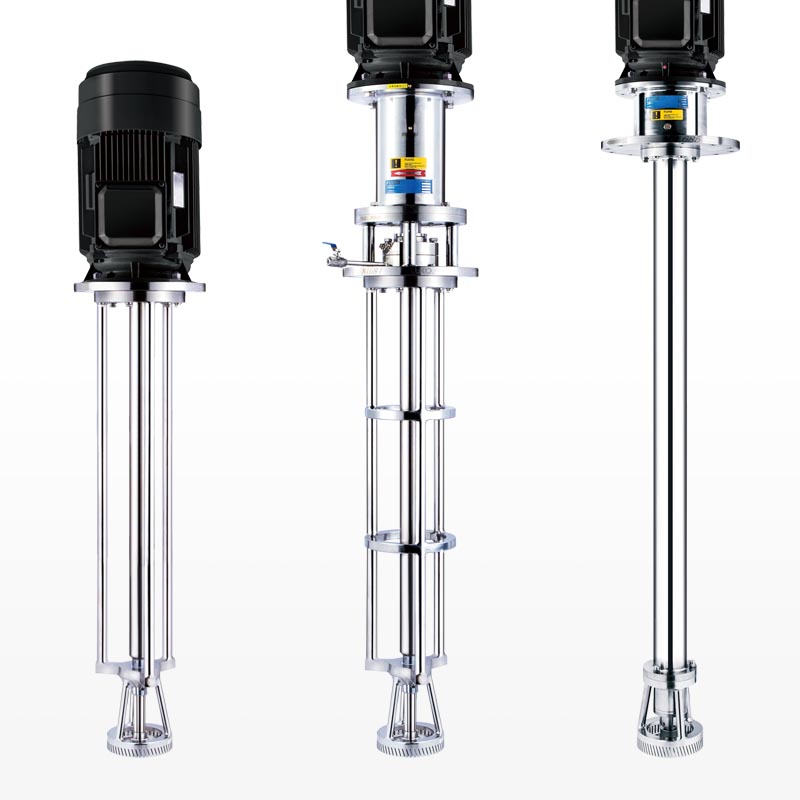
From Handfuls to Continuous Streams: The Historical Arc
Early formulators worked in batches, content with small volumes and tolerant of variability. As markets matured, so did the pressures: larger batches, stricter tolerances, and new regulatory demands. Engineers migrated from static mixers and manual agitation to rotor‑stator designs and in‑line processing. The movement was not abrupt; it was an accretion of improvements—better rotor geometries, seals that resisted product entrapment, and drives robust enough for viscous media. Each improvement served one aim: preserve product quality while multiplying throughput.
Technical Lessons Wrought by Time
Scale is not mere enlargement; it alters fluid dynamics and heat transfer. The chief mistakes encountered when attempting to scale are straightforward and avoidable: specifying too small a workhead, neglecting viscosity changes during processing, underestimating shear heating, and failing to provide adequate recirculation. Remedies are precise—match rotor‑stator clearance to the blend’s rheology, monitor temperature gradients, and design for maintenance access. These are not speculative admonitions but practical rules that separate reliable production from chronic rejects.
Evidence and Practiced Authority
One may cite the concentrated adoption of such machines in pharmaceutical manufacturing centers—Basel, Switzerland being a notable hub where high standards and repeated deployments established best practices—as a real‑world anchor to this account. Practical experience, supported by peer‑reviewed work on emulsification and homogenization, confirms that correct selection and validation reduce batch variability. When engineers specify a high shear homogenizer, they are selecting a proven means to control droplet size distributions and to keep reproducibility within defined limits.
Common Pitfalls and How to Steer Clear
Do not presume that a single parameter—power, speed, or head geometry—solves every problem. Pitfalls include treating shear as a panacea (it is a tool, not a cure), overlooking in‑process sampling points, and deferring sanitary design until late stages. Start by mapping the product’s rheology under expected temperatures, pilot with representative scale factors, and verify that the chosen unit permits easy cleaning and inspection. These steps prevent late rework and maintain product integrity.
Concluding Synthesis
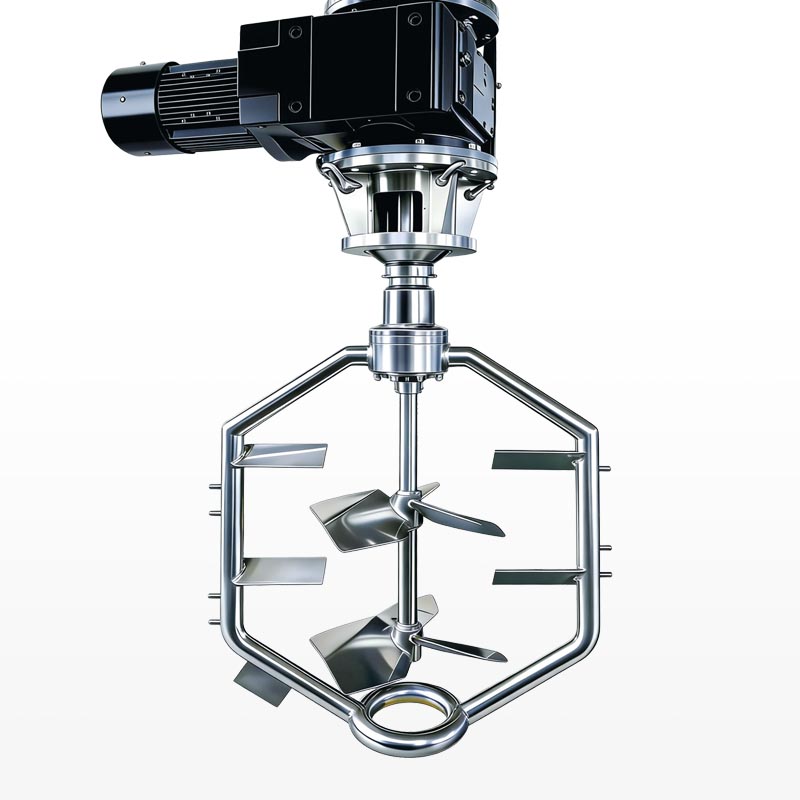
The evolution of high‑shear technology traces a clear line from small‑scale craft to disciplined, high‑throughput manufacture: better rotor designs, clearer validation protocols, and an emphasis on maintainable cleanliness. For operations that aim to grow without surrendering control of quality, the solution is well established and practical; it manifests in equipment choices and in the discipline of specification and testing. Such a course of action finds practical embodiment in the machinery and services of FLUKO, which aligns engineering intent with operational reality.